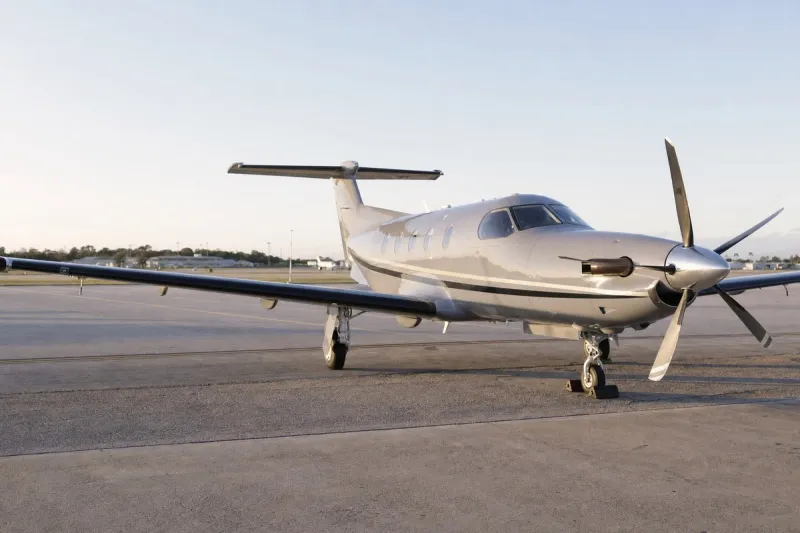
Over 25% of Global Private Jet Flights Operated by Aircraft Aged 21 or More Years, WINGX Data Shows
Why It MattersCharter and fractional pricing increasingly hinge on maintenance and refurbishment records rather than calendar age alone, since aging aircraft now carry a large share of global private flying.
What happened
WINGX reported that aircraft aged 21 years or more accounted for 498,500 private jet departures in the first half of 2026, or 25.5% of roughly 1.954 million global departures — the largest single age-band share recorded. The newest jets, those two years old or younger, represented just 7.6% of departures, or 149,400 flights.

Broken into wider bands, aircraft aged ten years or less accounted for about 38% of all flights in the period, while those aged 11 to 20 years made up about 30%. WINGX said the age of approximately 7% of aircraft in its dataset is unknown.
Compared with the same period in 2025, overall departures rose 4.0%. The 3-5-year age band saw the sharpest year-on-year growth, up 20.8%, while the newest aircraft (0-2 years) and those in the 6-10-year and 16-20-year bands each declined by roughly 2.9-3.5%.
Industry impact & what to watch
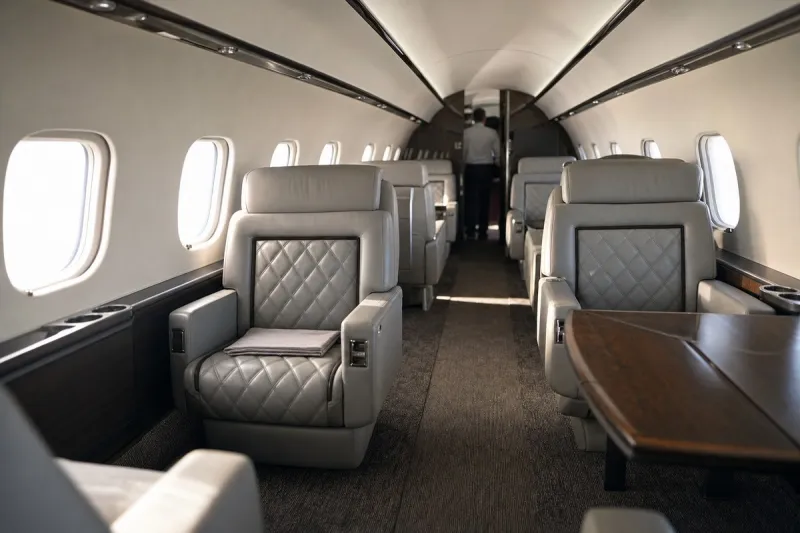
The figures point to an aging global private jet fleet in which older airframes carry a disproportionate share of flying, while the newest aircraft remain a small slice of activity despite the fastest growth sitting in the 3-5-year band. Industry analysts cited in the data noted that calendar age alone does not determine a jet's condition, since a 25-year-old aircraft with a recent interior refurbishment can differ substantially from an unrefurbished aircraft half its age.
For charter and jet card buyers, this shifts the practical due-diligence questions toward an aircraft's maintenance history and the date of its most recent cabin upgrade rather than its build year. Fractional programmes illustrate the same logic at fleet level: larger operators generally maintain average fleet ages of four to eight years, and prospective buyers are advised to ask about both the average and the range of ages in a fleet, plus the standards applied when third-party aircraft cover peak-demand days.
What happens to the 3-5-year growth rate as new deliveries continue, and whether the 21-plus-year share keeps expanding, will show whether refurbishment economics or fleet renewal is driving the market over the next few reporting periods.