FAA Announces $615 Million in Airport Improvement Grants Across 42 States and Two Territories
Why It MattersAirport capital funding is distributed across many small and mid-size fields rather than concentrated at major hubs, spreading runway, taxiway and safety upgrades unevenly by project rather than by traffic volume.
What happened
U.S. Transportation Secretary Sean P. Duffy announced a $615 million investment through the Federal Aviation Administration's Airport Improvement Program, funding runway and taxiway infrastructure, family-friendly terminal features, and airfield safety upgrades across 42 states and two territories. The funding was distributed through 238 individual grants.
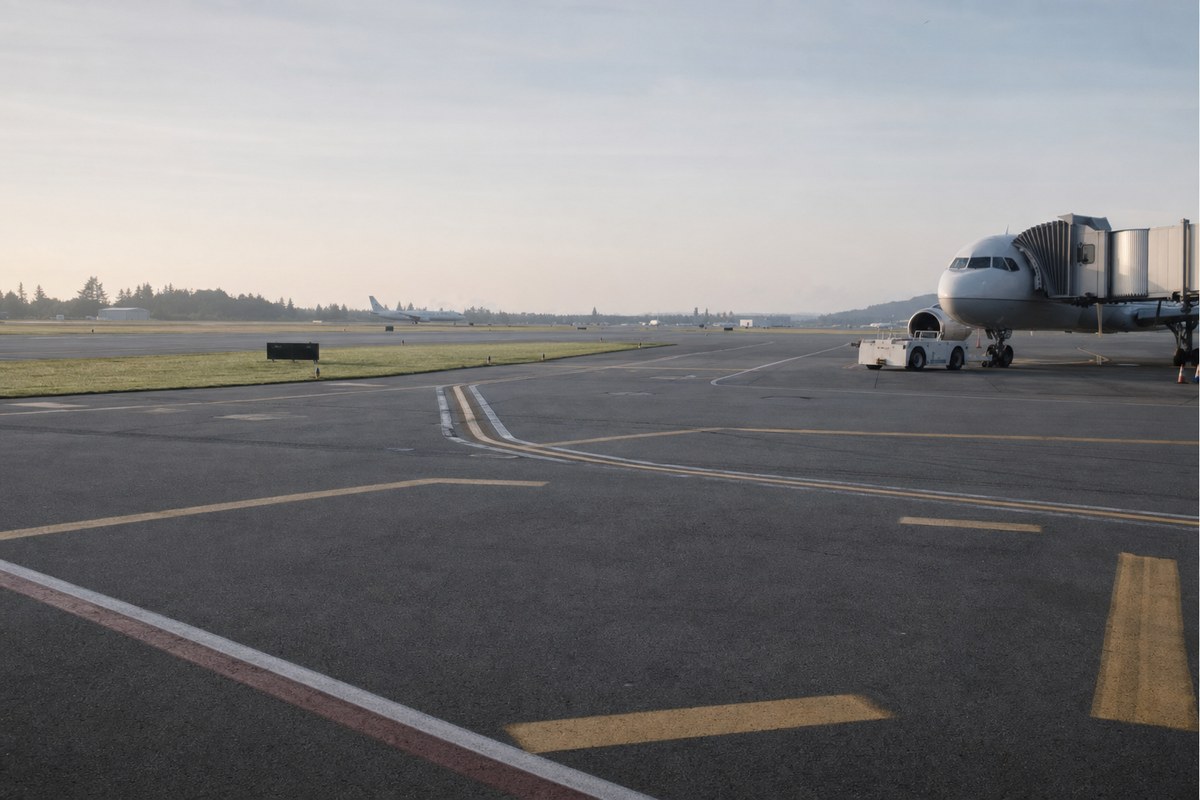
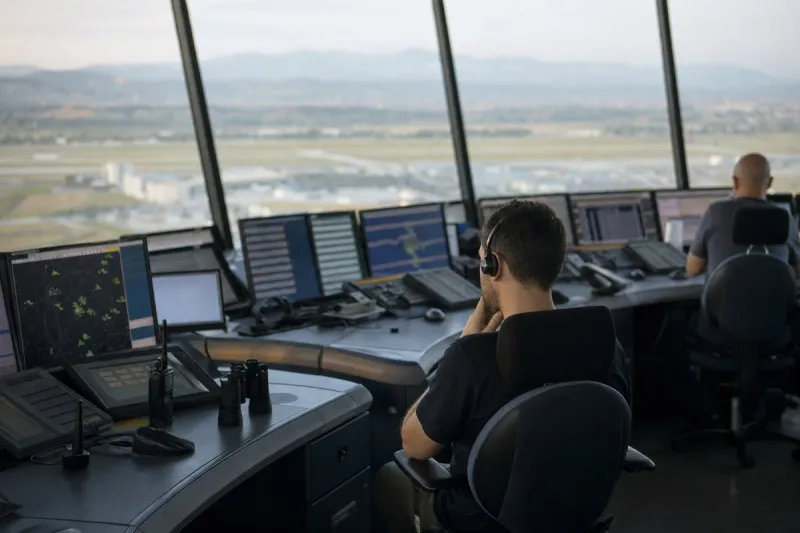
Among the largest individual awards are $21.5 million to Midland International Air & Space Port in Texas for runway rehabilitation and $19.5 million to construct a new airport in Noatak, Alaska. San Diego International Airport in California received $15.3 million for noise mitigation, Gary/Chicago International Airport in Indiana received $8.3 million for a new contract tower, Lynchburg Regional Airport in Virginia received $8 million for a new terminal, and Wilmington International Airport in North Carolina received $6.3 million for runway rehabilitation. Sacramento International Airport in California was also named as a recipient.
Secretary Duffy said, "Upgrading our airport infrastructure is part of our work to usher in the Golden Age of Transportation. American families deserve state-of-the-art runways, taxiways and infrastructure that will make their travel experience safer, smoother, and more efficient." FAA Administrator Bryan Bedford said, "We're improving safety and efficiency at airports throughout the U.S., ensuring we fulfill our promise to transform the passenger travel experience."
Industry impact & what to watch
Grant programs like this one spread federal capital across a wide mix of airport sizes and needs at once, from a new airfield in a remote Alaska community to runway work at a mid-size Texas air and space port and noise mitigation at a major California hub. That breadth means the $615 million does not concentrate on any single bottleneck in the system; it funds runways, taxiways, terminals, control towers and noise programs in parallel.
Airport capital funding of this kind works project by project: an airport applies, the FAA evaluates and awards, and construction proceeds on its own local timeline rather than as a single national rollout. Because the grants cover physical infrastructure rather than operations, the effects show up gradually as runways are rehabilitated, terminals are built, and towers come online.
Which airports see construction begin, and on what schedule, will depend on each recipient's own project timeline rather than on this announcement alone.