Acron Technologies to Sell Commercial Training Solutions Business to FlightSafety International
Why It MattersConsolidation in flight-simulator manufacturing and training concentrates capacity in fewer hands, which can shape simulator availability and scheduling leverage for training buyers across the industry.
What happened
Acron Technologies has signed a definitive agreement to sell its Commercial Training Solutions (CTS) business to FlightSafety International Inc., the companies announced on August 26, 2026. The CTS business includes Acron's Training Systems, Training Services, Aviation Academy, and Driver Training platform.
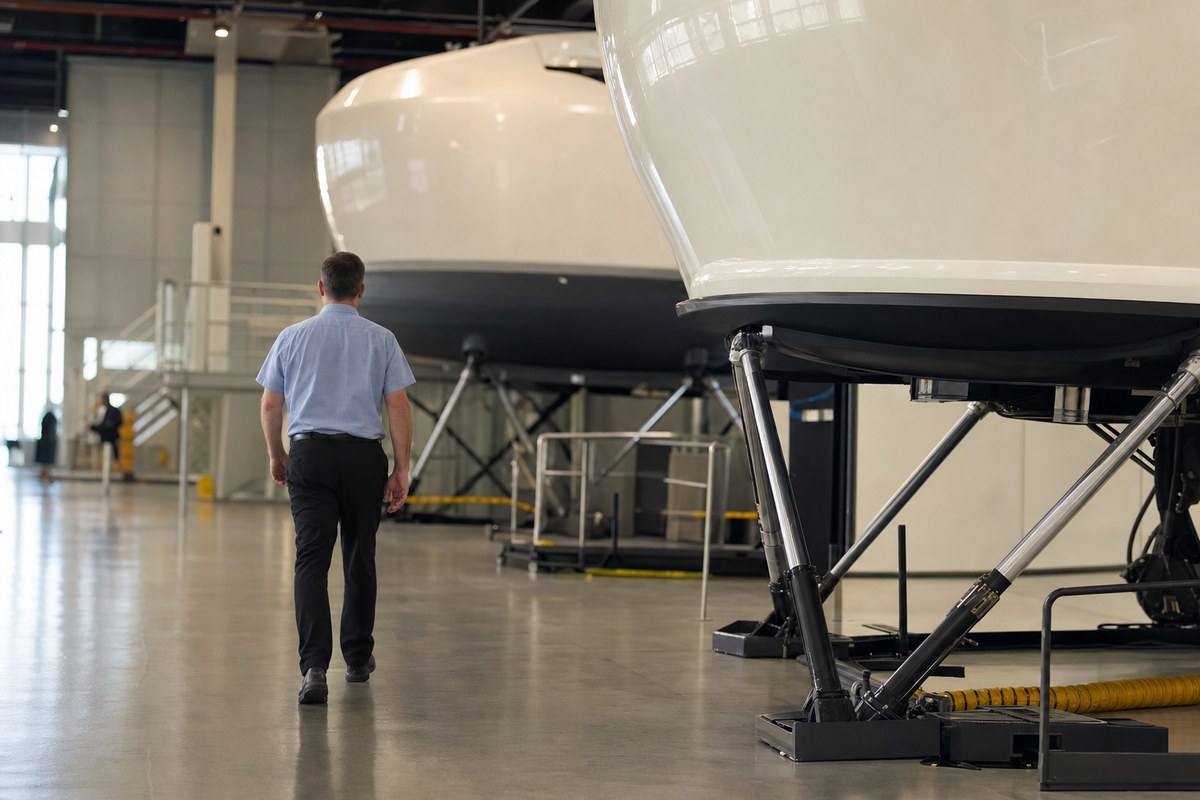
CTS carries over eight decades of experience in commercial aviation training and simulation, has delivered more than 850 training devices throughout its history, and currently has over 300 full-flight simulators in operation worldwide. Its training and manufacturing locations span the United States, United Kingdom, and Thailand.
Acron Technologies is a portfolio company of TJC LP. FlightSafety International celebrates its 75th anniversary in 2026 and operates full-flight simulators at learning centers on six continents, serving customers from more than 170 countries. The transaction is expected to close in Q4 2026, subject to regulatory approvals and customary closing conditions. RBC Capital Markets, LLC and Harris Williams served as financial advisors to Acron Technologies, while Kirkland & Ellis LLP acted as its legal advisor; Baker McKenzie served as legal advisor to FlightSafety International.
Industry impact & what to watch
The sale is a portfolio-focusing move for Acron Technologies, which is redirecting capital and engineering toward its Aerospace Solutions and Defense & Rescue Technologies segments rather than continuing to run a training and simulation business. For FlightSafety International, the acquisition adds simulator manufacturing capability and a wider training footprint in commercial aviation, building on a network already spread across six continents.
Deals like this show how training-provider consolidation works: a manufacturer or diversified group sheds a training unit to sharpen its core business, while a specialist training company absorbs the simulators, sites and staff to broaden its own reach. The three countries named in the CTS footprint, and the more than 300 simulators involved, indicate the scale of what changes hands rather than what happens to pricing or availability, which is not addressed.
What happens between now and Q4 2026 depends on regulatory approval of the transaction. Confirmation of how the combined simulator fleet and training locations will be organized after closing is the next disclosure to watch for.