Cessna 441 chartered flight struck terrain near Cape Newenham after missed approach in poor weather, Army engineers among those on board
Why It MattersCharter flights into remote, weather-exposed Alaskan sites depend heavily on approach procedures and pilot decision-making when instrument conditions deteriorate near terrain.
What happened
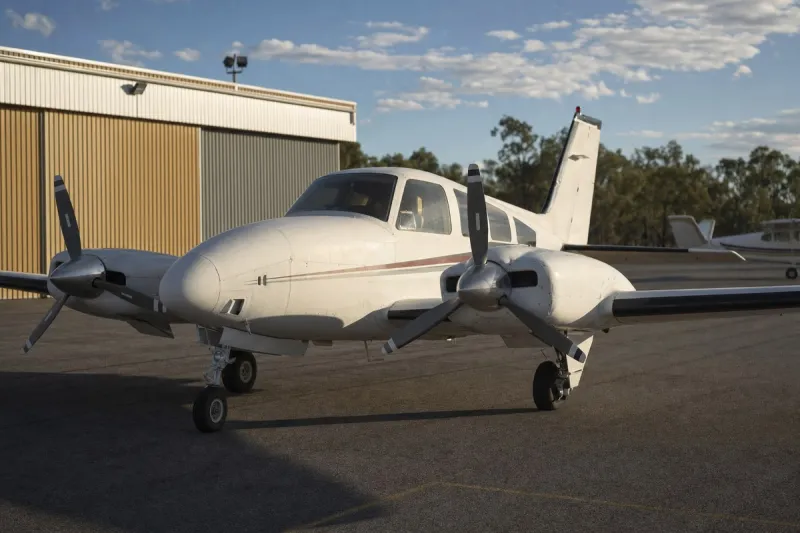
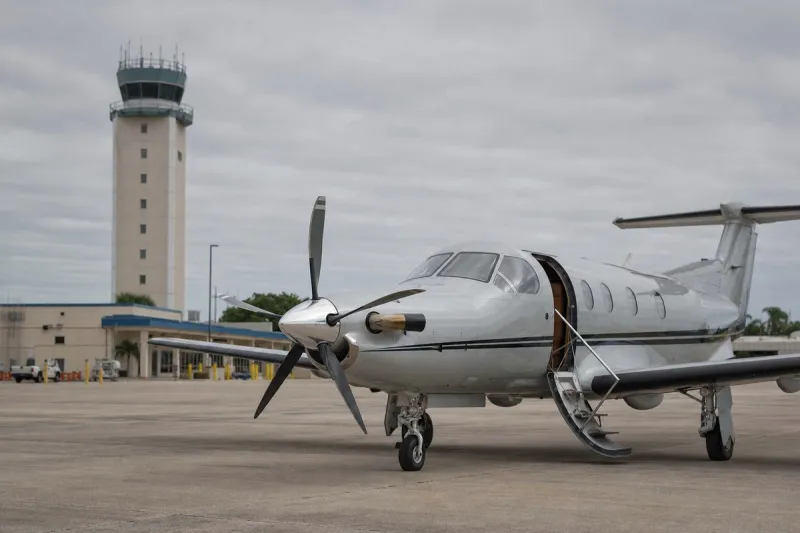
A Cessna 441 operating as a chartered flight struck terrain at Cape Newenham, Alaska, after the crew executed a missed approach in poor weather conditions. The aircraft had been bound for a radar site in the area.

US Army engineers were among the passengers on board at the time of the accident. The aircraft was lost at Cape Newenham.
Industry impact & what to watch
Charter operations into isolated sites such as radar installations often rely on single approach options with limited alternates, so a missed approach in deteriorating weather leaves little margin near terrain. Cases like this typically prompt scrutiny of the specific approach procedure flown, terrain clearance during the missed-approach segment, and the weather reported at the time.
Remote government and military-support charter work depends on operators maintaining conservative weather minimums and terrain awareness equipment appropriate to the destination, given that many of these sites lack the navigation infrastructure of standard airports. Investigators will need to determine what happened during the missed approach and whether weather, terrain data, or aircraft equipment played a role. Findings from the ongoing investigation, along with any statements from the operator or the US Army, will be the next markers to watch.