Willis Lease Finance Corporation Closes Acquisition of 12 Aircraft and 13 Engines
Why It MattersLessors that bundle leasing with technical and aftermarket services can absorb large mixed portfolios of aircraft and engines and redeploy them across airline and MRO customers.
What happened
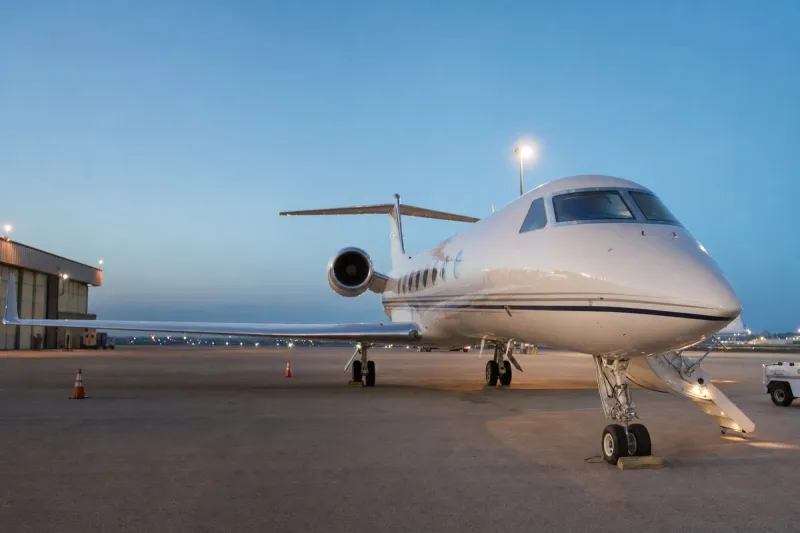
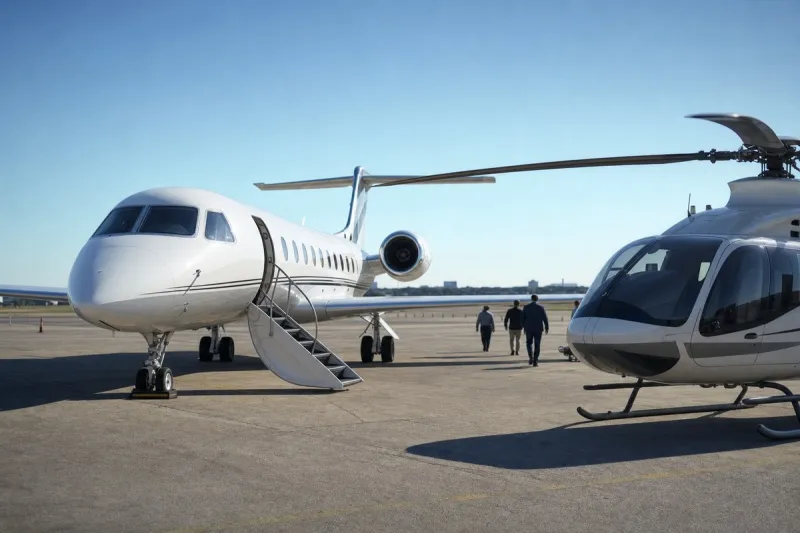
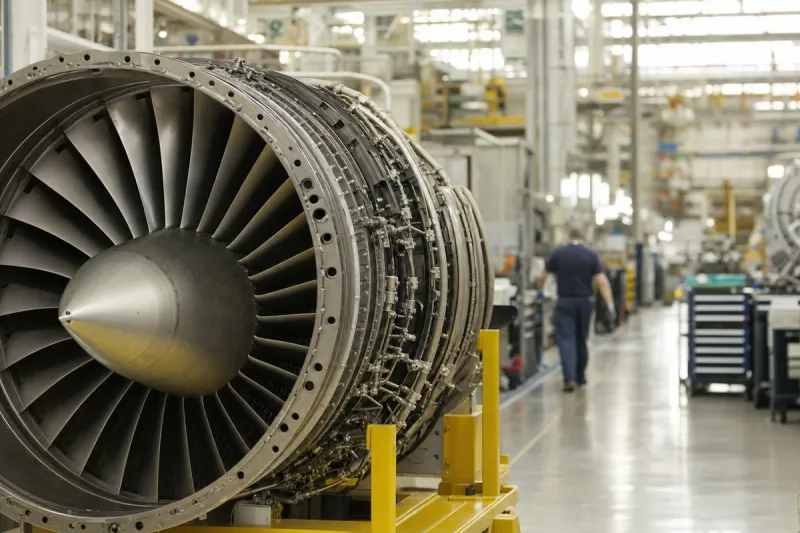
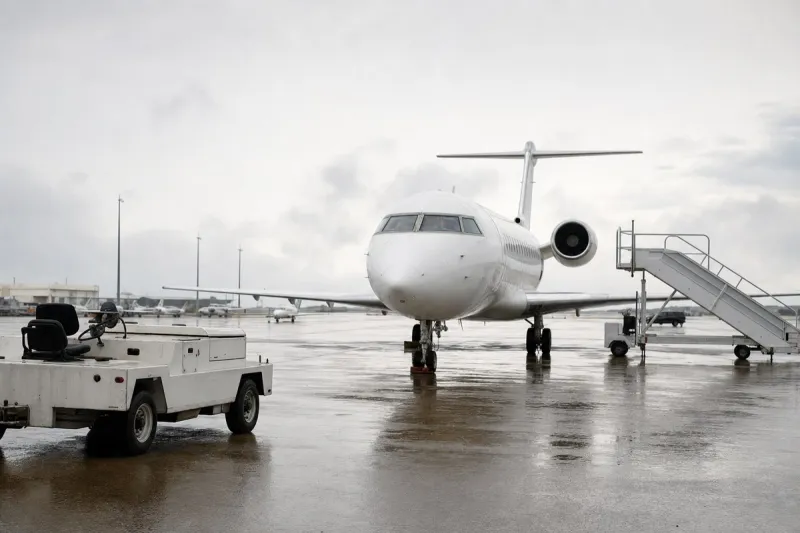
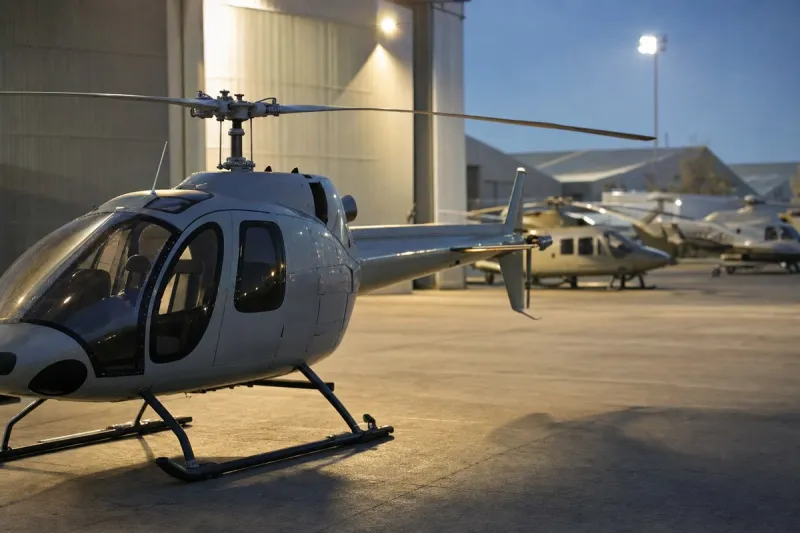
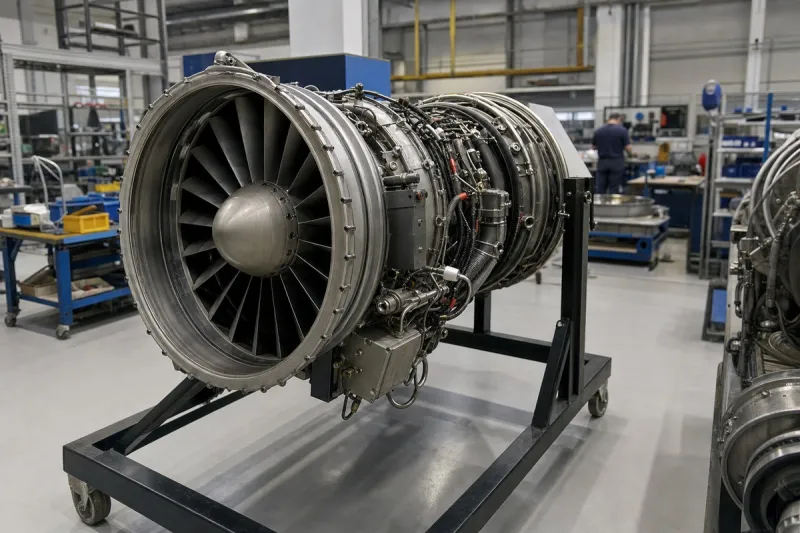
Willis Lease Finance Corporation announced on August 25, 2026, that it had closed a transaction to acquire 12 commercial aircraft and 13 aircraft engines, expanding its aviation asset and lease portfolio.

The acquired assets will be managed through WLFC's integrated leasing, asset management, technical and aftermarket service platform, with the stated objective of maximizing utilization and value over their lifecycle. Austin C. Willis, Chief Executive Officer of WLFC, said, "We believe this acquisition represents an attractive opportunity to put capital to work in assets that fit well with our existing business. It builds on our core strengths in aircraft and engine leasing and reflects our continued focus on disciplined growth and long-term value creation."
Milbank LLP served as legal counsel to WLFC, and PricewaterhouseCoopers LLP provided accounting, tax, and financial due diligence services in connection with the transaction. The seller was advised by Vedder as legal counsel and by KPMG Ireland as tax and accounting advisors. Willis Lease Finance Corporation is headquartered in Coconut Creek, Florida, and leases large and regional spare commercial aircraft engines and aircraft to airlines, aircraft engine manufacturers, and maintenance, repair, and overhaul providers worldwide.
Industry impact & what to watch
Deals of this kind show how leasing companies grow their fleets: buying blocks of aircraft and engines from a seller in one transaction, then routing them into an existing servicing platform rather than operating them directly. The value sits in redeploying the assets efficiently across lessees, not in flying them.
For a lessor like WLFC, the leasing, technical and aftermarket arms work together so that newly acquired airframes and engines can be placed with airlines, engine manufacturers or MRO providers without idle time eating into returns. That integration is what lets a single transaction covering 12 aircraft and 13 engines be absorbed without a separate standalone deal structure for each asset type.
What happens next depends on how quickly the 12 aircraft and 13 engines are placed with lessees and whether WLFC discloses further details on utilization or lease terms for these specific assets.