China's Low-Altitude Economy Approaches Commercial Scale as Regulations, eVTOL Milestones and Market Forecasts Converge
Why It MattersRegulatory streamlining and certification milestones signal China's low-altitude aviation sector shifting from pilot demonstrations toward broader commercial deployment across passenger, logistics and inspection applications.
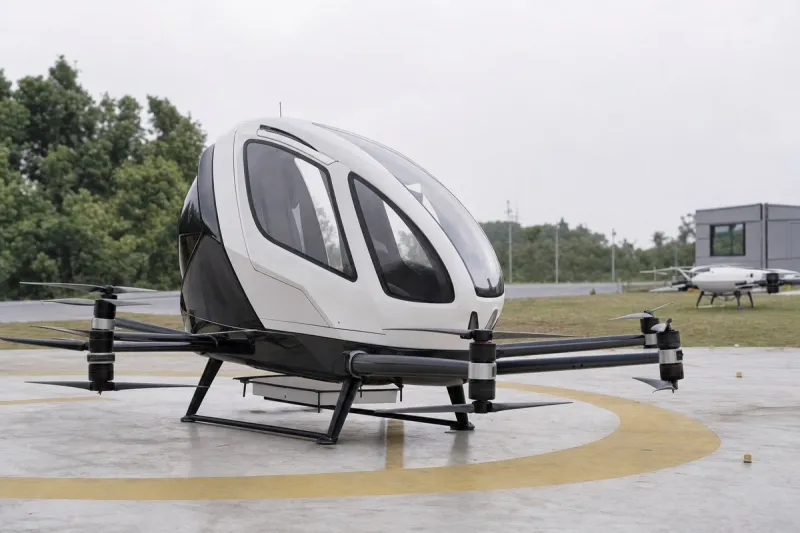
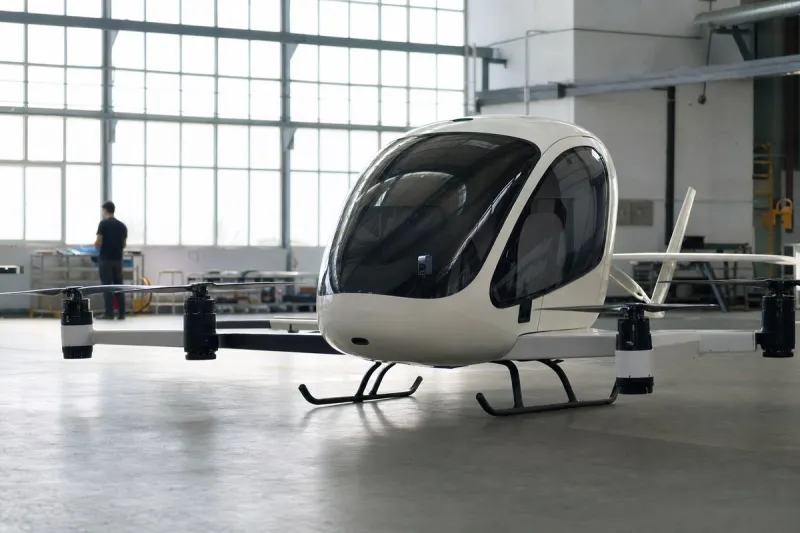
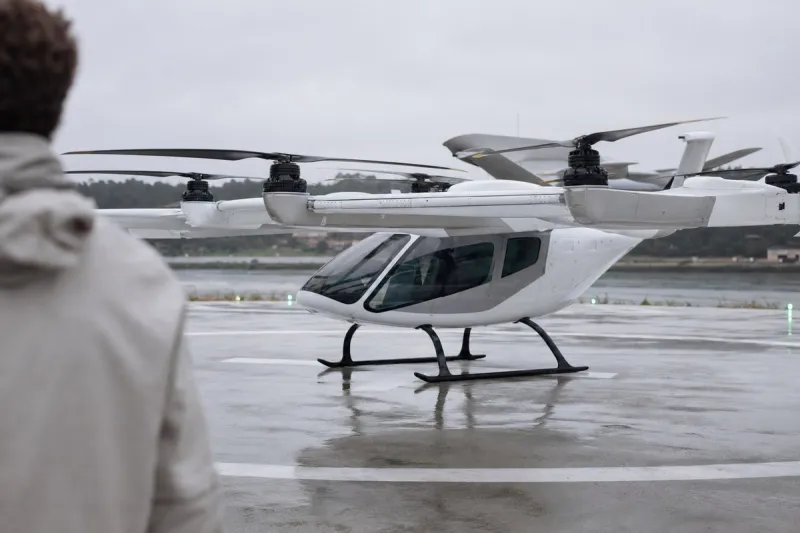
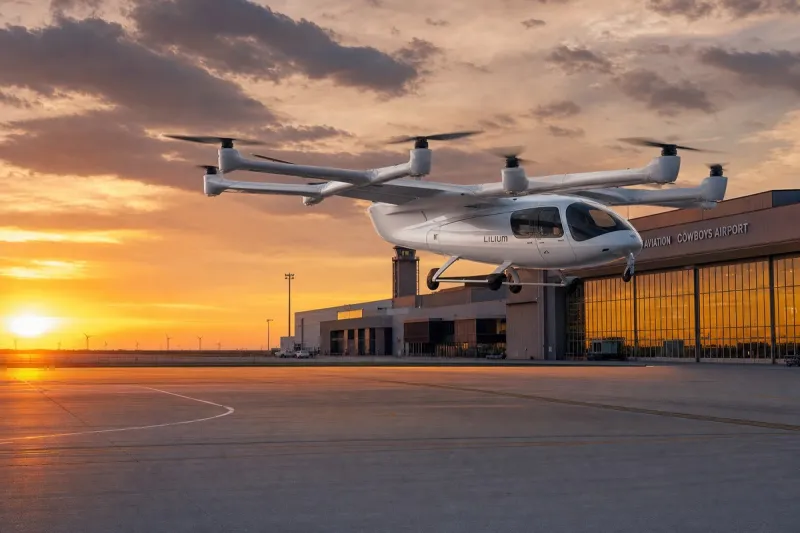
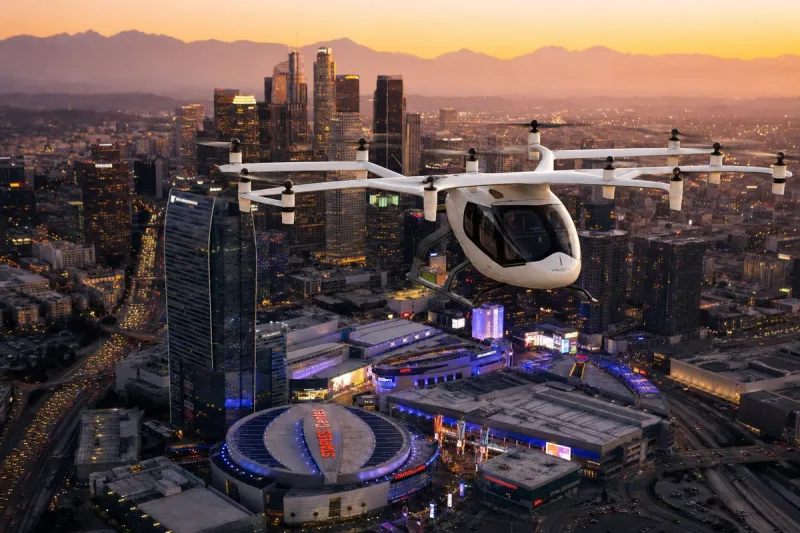
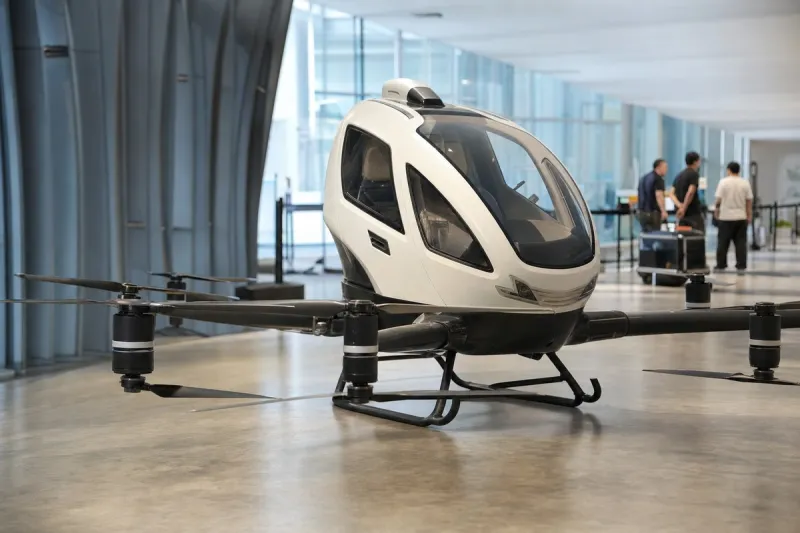
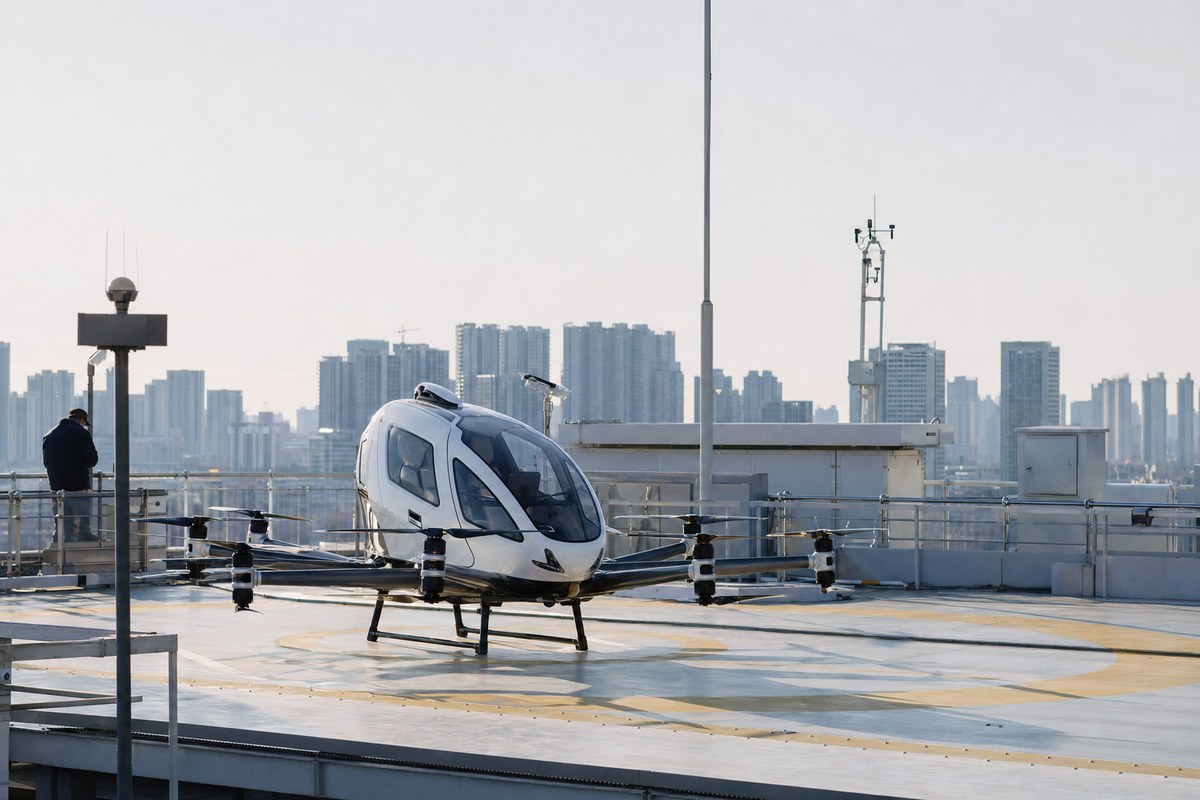
China's revised Civil Aviation Law took effect on July 1, 2026, adding a dedicated chapter on low-altitude economic development that establishes classified airspace management below 300 meters and replaces many case-by-case approvals with streamlined filing procedures. EHang's EH216-S became the world's first eVTOL model to receive type certification, air carrier certification and production certification from Chinese civil aviation authorities, and began commercial trials in Hefei, Anhui province, in August 2026, offering public reservations within designated demonstration zones rather than broader urban air mobility service.
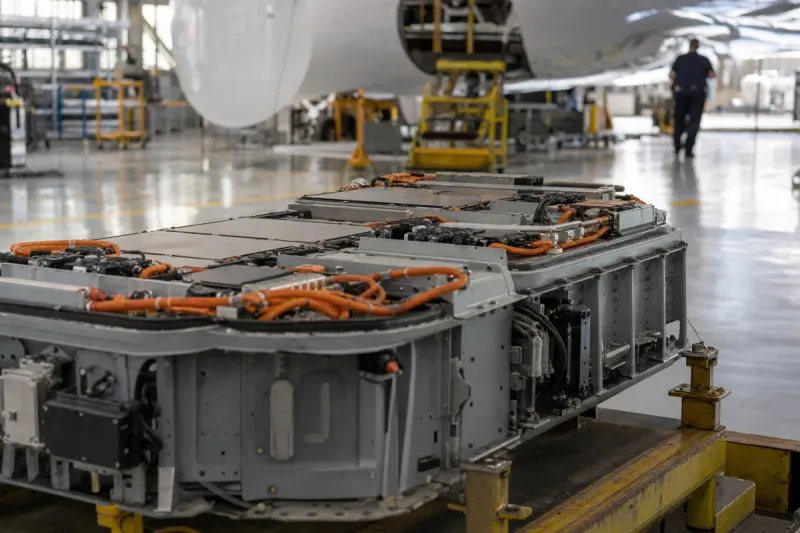
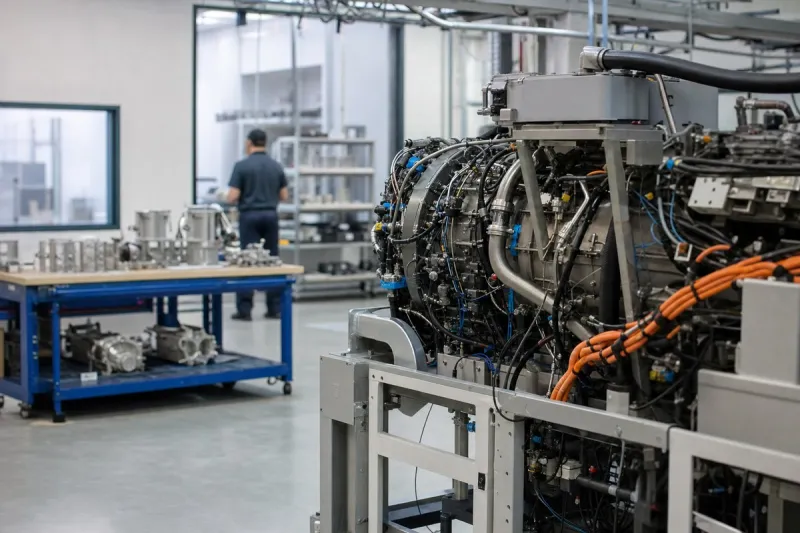
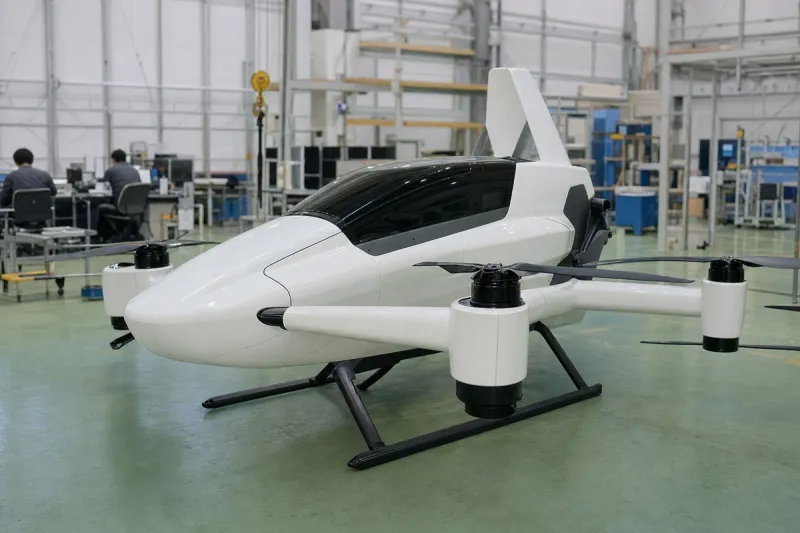
Aridge, formerly Xpeng Aeroht, produced its 1,000th set of 800-volt high-voltage electric propulsion units at its Guangzhou manufacturing base in August 2026. Its modular Land Aircraft Carrier has completed automatic separation, independent flight and docking tests and attracted more than 7,000 global preorders, though it has not yet obtained certification for manned commercial operations. CCID Consulting projects China's low-altitude economy will exceed 1 trillion yuan ($148.4 billion) in market scale in 2026, rising to 3.5 trillion yuan by 2035, with more than 127,000 companies involved in the sector as of the end of June 2026.
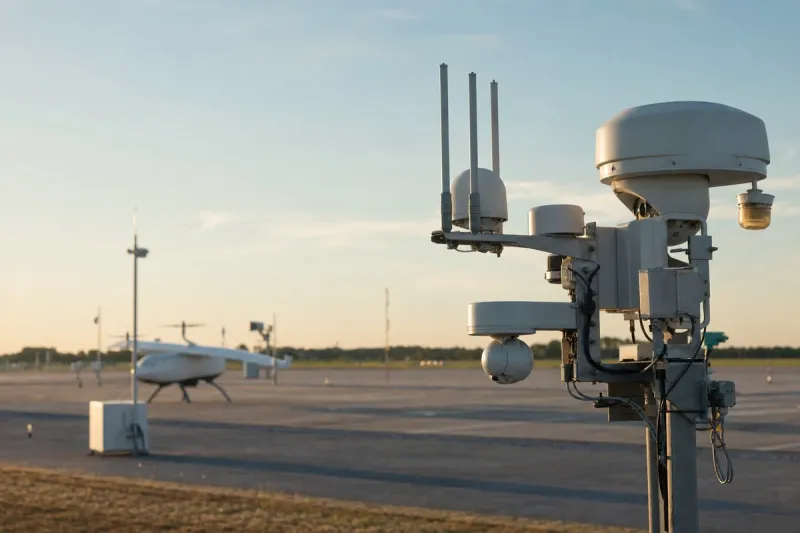
Industry participants at the 2026 China Entrepreneur Future Star Annual Forum in Guangzhou in July said large-scale commercialization remains constrained by airspace management, digital supervision systems, infrastructure and business models, with agricultural, logistics and industrial applications expected to mature commercially sooner than passenger eVTOL services. United Aircraft subsidiary Gifore said agricultural drone operations form the largest share of its civilian business, spanning lightweight 5-kilogram patrol drones to the R6000 heavy-lift drone with a 6-metric-ton takeoff weight and 2-ton payload, while Skysys said its aerial-and-ground inspection system performs about 100 maintenance cycles annually and lifts power generation efficiency by roughly 10 percent. Beidou Fuxi said it has built low-altitude supervision platforms for nearly 30 major cities, noting China has just over 7,000 traditional civil and general aviation manned aircraft compared with more than 10,000 active drones in a single major city.