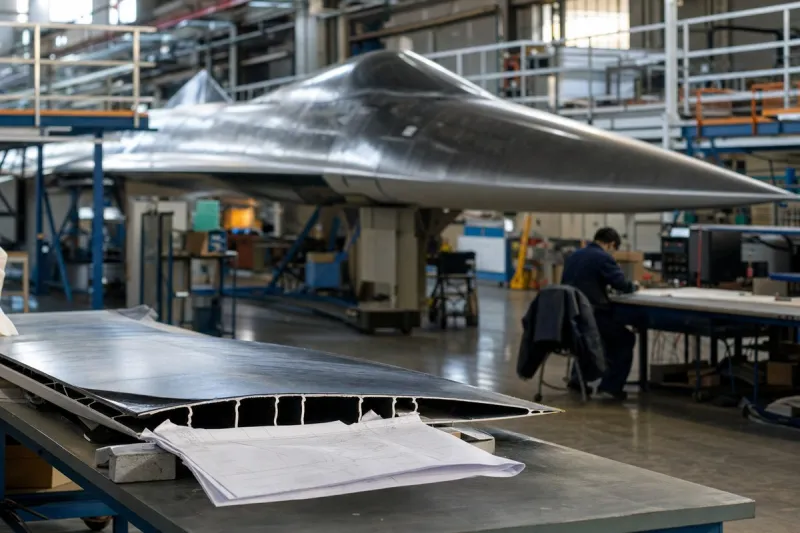
Concorde: From 1962 Anglo-French Treaty to Final Flight in November 2003
Why It MattersThe programme underscores how high operating costs, safety setbacks and the lack of a production line for spares can end a technically advanced aircraft's commercial life despite decades of service.
Concorde's history ran from separate British and French supersonic design studies in the 1950s to the aircraft's final flight on 26 November 2003. The programme was formalised on 29 November 1962, when the two governments signed a treaty creating a joint supersonic transport project, with British Aircraft Corporation and Sud Aviation (later part of Aérospatiale) sharing airframe development and Rolls-Royce and Snecma jointly developing the Olympus 593 engine. The first prototype was presented at Toulouse on 11 December 1967, French prototype 001 made Concorde's first flight on 2 March 1969, and British prototype 002 flew from Filton on 9 April 1969.
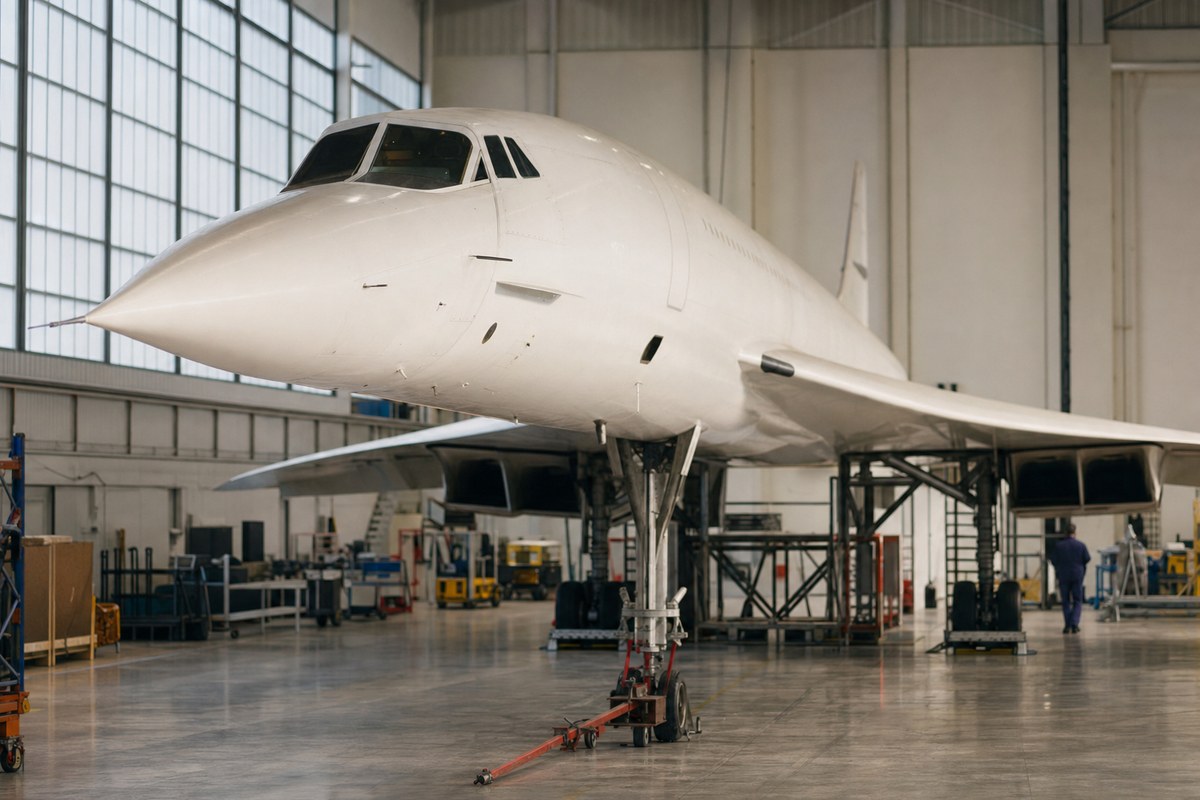
Only 20 Concordes were completed, with fourteen entering airline service, split evenly between British Airways and Air France, while six airframes were used for prototypes, testing and development. At the programme's peak, airlines worldwide held options for more than 70 aircraft, but most withdrew as operating costs became clearer and the 1973 oil crisis raised the importance of fuel efficiency, and no export customer ultimately took delivery. Scheduled passenger services began on 21 January 1976, with British Airways flying London to Bahrain and Air France operating Paris to Dakar and Rio de Janeiro; New York JFK, which became Concorde's defining destination, was added in November 1977 after legal and noise disputes, with the transatlantic crossing taking roughly three and a half hours at close to Mach 2.
On 25 July 2000, Air France Flight 4590 struck a metal strip on the runway during take-off from Paris Charles de Gaulle, rupturing a tyre and causing a fuel leak and fire that led the aircraft to crash at Gonesse, killing all 109 people on board and four people on the ground. The fleet was grounded while modifications including fuel-tank protection and stronger tyres were developed, and modified Concordes returned to commercial service on 7 November 2001. The 2003 retirement reflected reduced premium demand after the crash and the downturn following the September 2001 attacks, high maintenance costs, the absence of an active production line for replacement parts, and the difficulty of sustaining a fleet of only 12 airline aircraft; Air France ended commercial operations on 31 May 2003, British Airways operated its final commercial flights on 24 October 2003, and the last Concorde movement was G-BOAF's flight from Heathrow to Filton on 26 November 2003.