Third Drone and Suspected Military Explosives Found Near Leipzig Airport in Apparent Sabotage Linked to Russia
Why It MattersCargo hubs that combine commercial freighter traffic with military logistics are becoming test cases for how drone incursions get detected, attributed and defended against in real time.
What happened
German investigators uncovered a third drone and approximately 50 grams of suspected military explosive near Leipzig airport, found on 14 August in Kabelsketal, just west of the airport, ten days after an unsuccessful sabotage attempt on 4 August. Forensic technicians from Germany's federal criminal police office found residues of a substance that initial assessments indicated could be hexogen, a highly explosive material. The explosive device did not detonate.
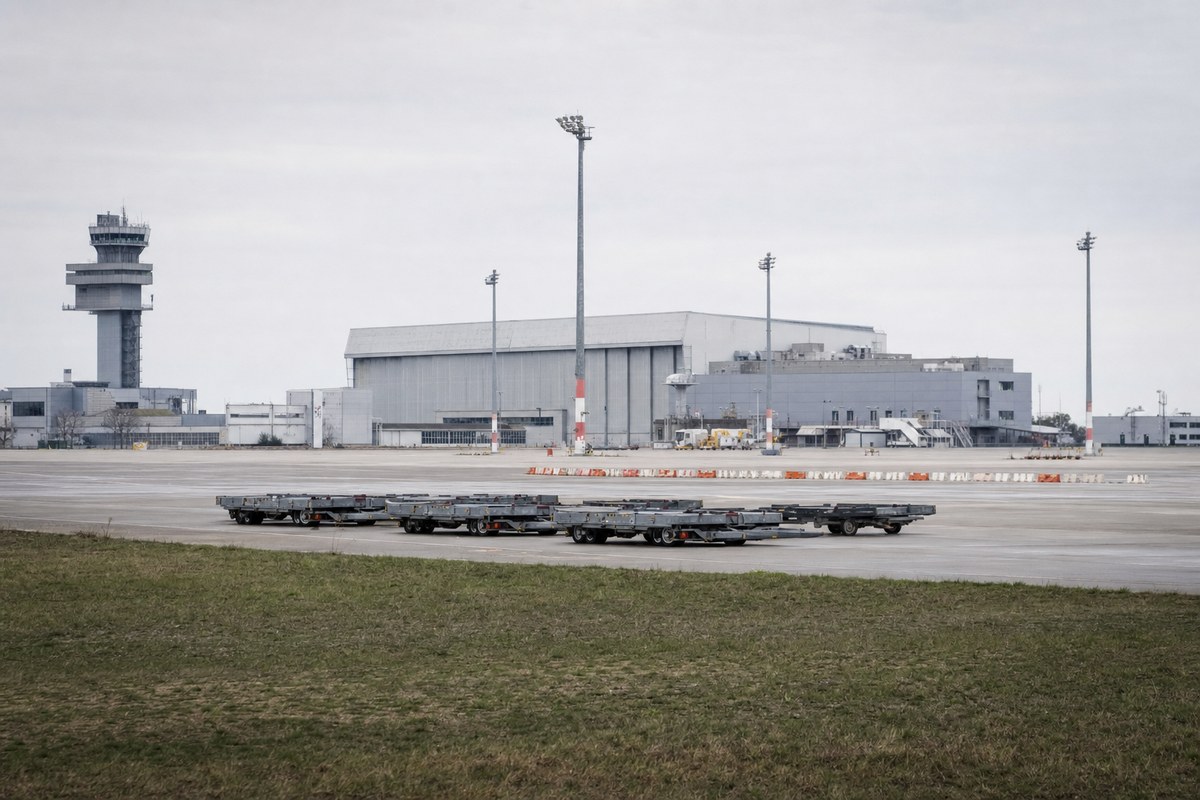
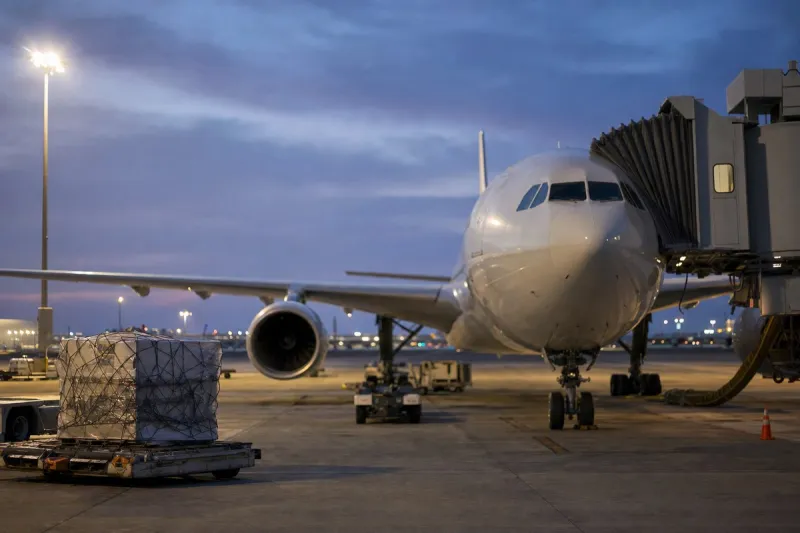
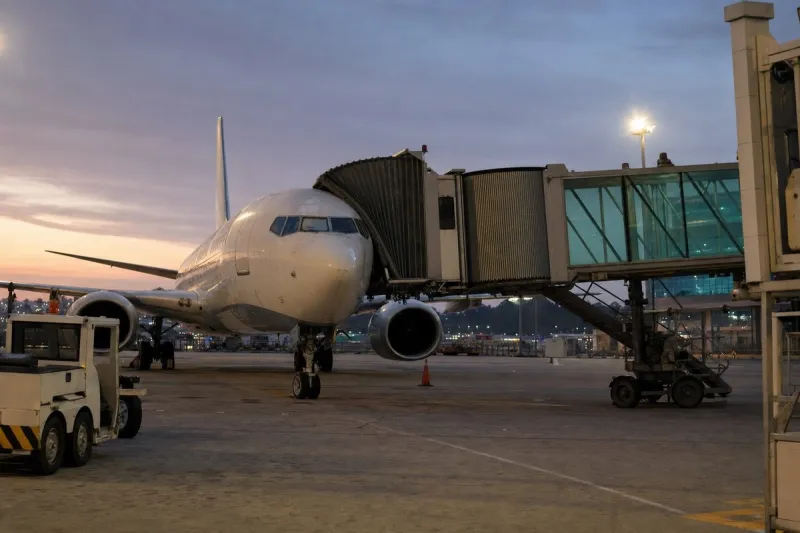
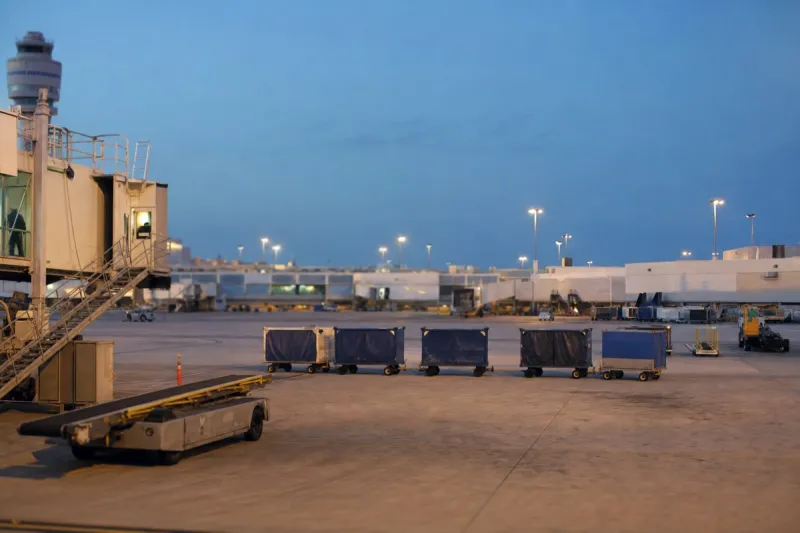
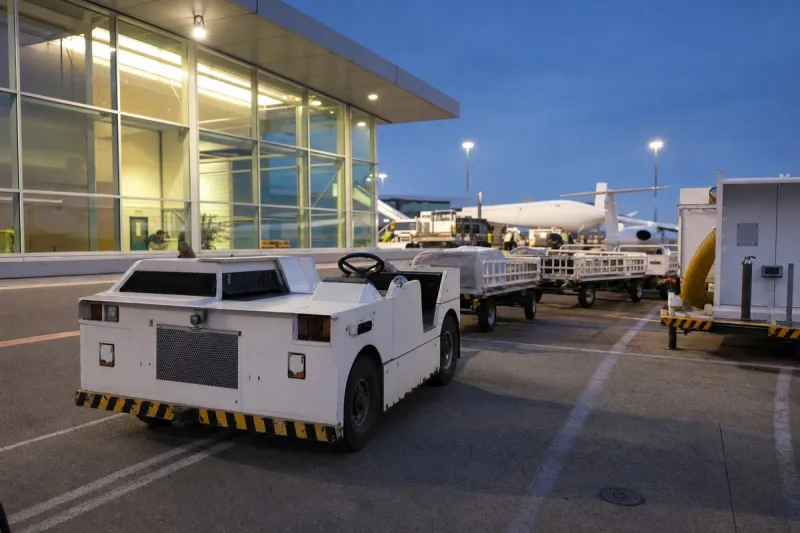
Leipzig airport serves as a cargo and military logistics hub used by NATO and Ukraine's Antonov Airlines for transporting military supplies. The initial sabotage attempt on 4 August involved a drone carrying explosives found near a Ukrainian Antonov cargo plane loaded with kerosene; the device appeared intended to land on the aircraft's wings but failed to detonate. About 20 minutes later, a second drone collided with a DHL cargo plane, which was forced to abort its landing and was diverted to Marseille. An inspection of the DHL aircraft revealed damage to the tail section. That second drone has not yet been recovered; investigators believe it may have been ingested by the engines and destroyed.
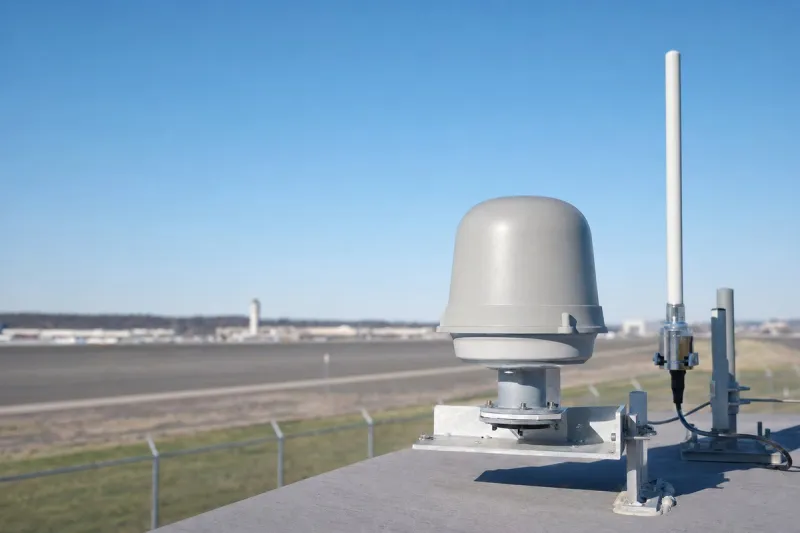
In Kursdorf, investigators discovered an antenna attached to a tree and other electronic components believed to have been used to control the drones. Nearby, they found a burnt patch and charred metal parts, close to a location where witnesses reported hearing a loud bang on the day of the incident. Investigators' reports stated that the perpetrators may have had a far larger attack in mind than previously known to the public. The office of the prosecutor general, which is leading the investigation, declined to comment. German Chancellor Friedrich Merz said the government would soon disclose who it believed was responsible, telling reporters before a cabinet meeting in Brandenburg that "they will pay for this" and that authorities were "working intensively on this together with the security authorities." Merz said the incident showed Germany was increasingly becoming a target, warning that "attackers are increasingly ruthlessly accepting even serious property damage, and even injuries and deaths." Intelligence sources cited by German broadcasters said they suspected Russian intelligence involvement; Moscow has denied any involvement.
How it unfolded
A third drone and about 50 grams of suspected military explosive, possibly hexogen, are found in Kabelsketal, west of the airport.
A second drone collides with a DHL cargo plane, which aborts landing and diverts to Marseille with tail-section damage; the drone is not recovered.
A drone carrying explosives is found near a Ukrainian Antonov cargo plane loaded with kerosene; the device fails to detonate.
Industry impact & what to watch
This case sits inside a wider pattern of drone incursions near airports that combine commercial and military cargo traffic, where the line between civilian infrastructure and a wartime logistics target has become harder to hold. A hub moving both DHL freighters and Antonov military supply flights concentrates exactly the kind of dual-use exposure that makes such sites attractive for sabotage.
Cargo hubs serving military logistics typically rely on layered ground security and airspace monitoring built for conventional threats, not for small, low-cost drones launched from outside the perimeter using remote antennas and improvised triggers, as investigators describe finding near Leipzig. The discovery of a third device and explosive residue ten days after the first attempt shows how much evidence can still surface well after an incident is treated as resolved.
What happens next depends on the German government's promised disclosure of who it holds responsible, and on whether the prosecutor general's office releases findings from its investigation. Moscow's denial and the anonymous intelligence assessments pointing at Russian involvement remain unresolved claims until an official attribution is made.