UK Awards £7.2 Million to Eight Zero-Emission Aviation Projects
Why It MattersEarly-stage funding spreads across hydrogen, electric-charging and contrail-avoidance work rather than concentrating on one technology, signalling that zero-emission aviation infrastructure remains in the feasibility-study phase rather than deployment.
What happened
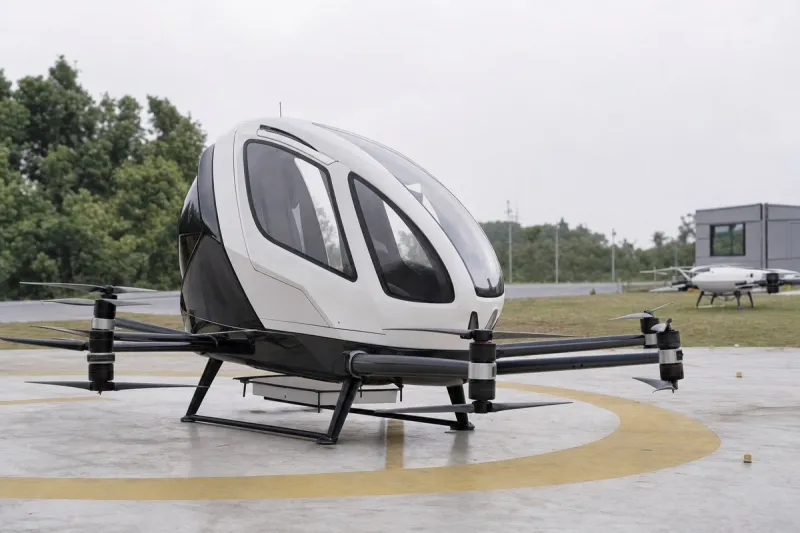
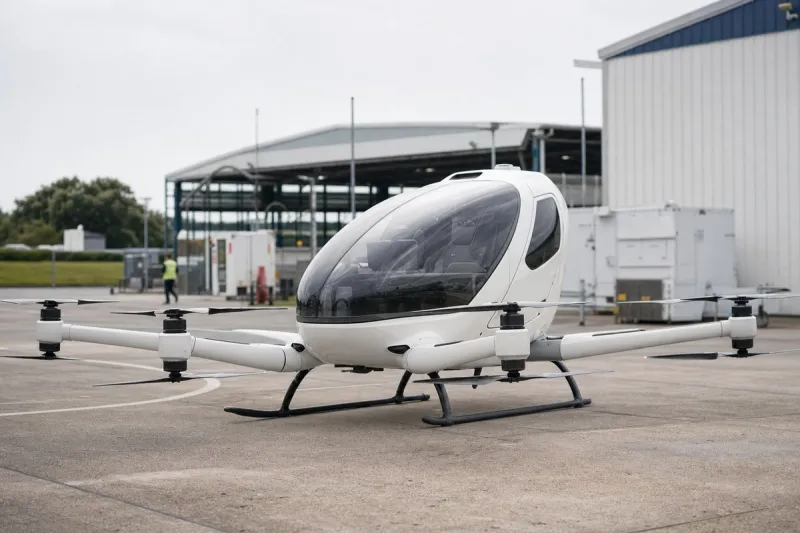
The UK government has awarded £7.2 million in funding to eight projects supporting zero-emission commercial aviation, in the first round of the zero-emission flight demonstrator competition. The initiative covers hydrogen and electric aircraft, ground handling, infrastructure, standards, regulations, and the evidence base for commercial aviation. Transport Secretary Heidi Alexander said the funding would create skilled jobs, support UK businesses, and spread economic growth across the country.
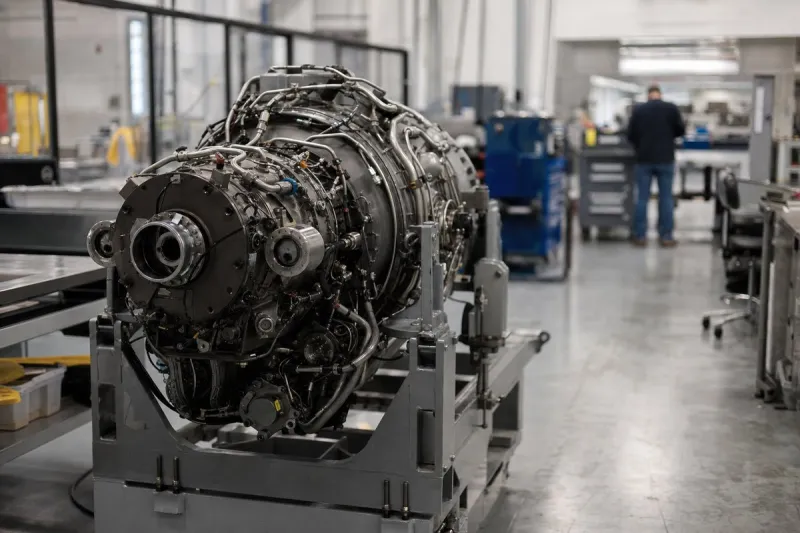
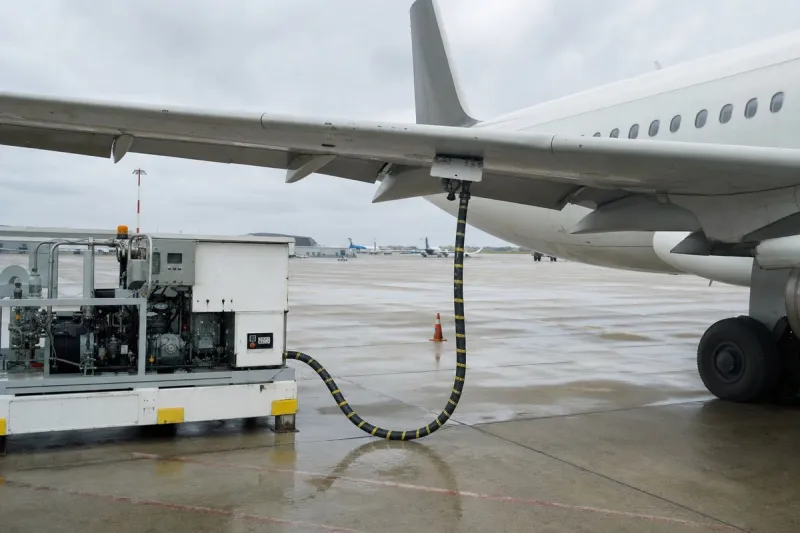
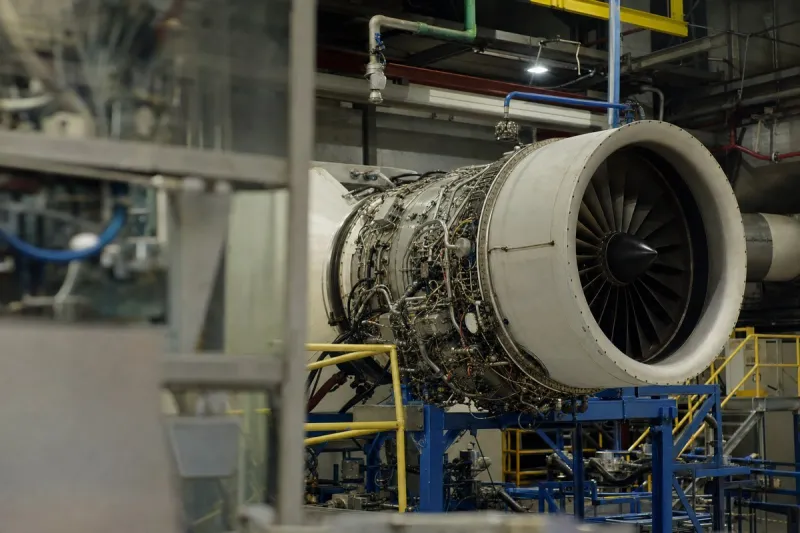
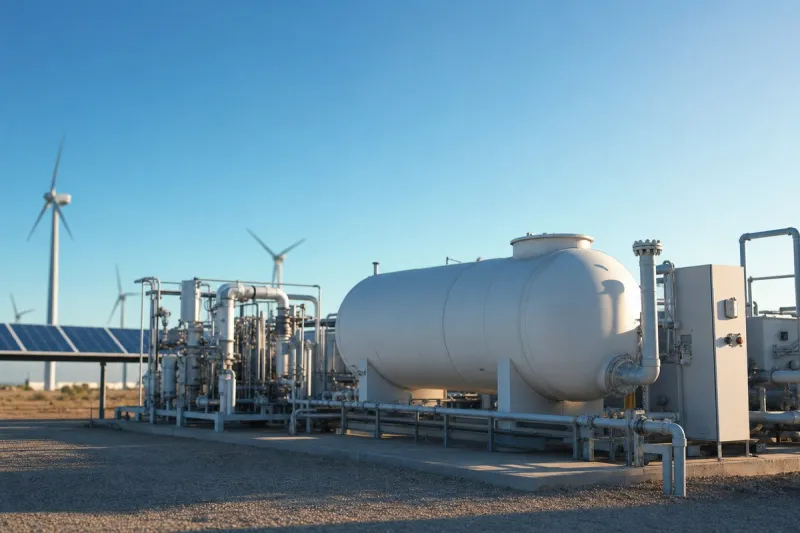
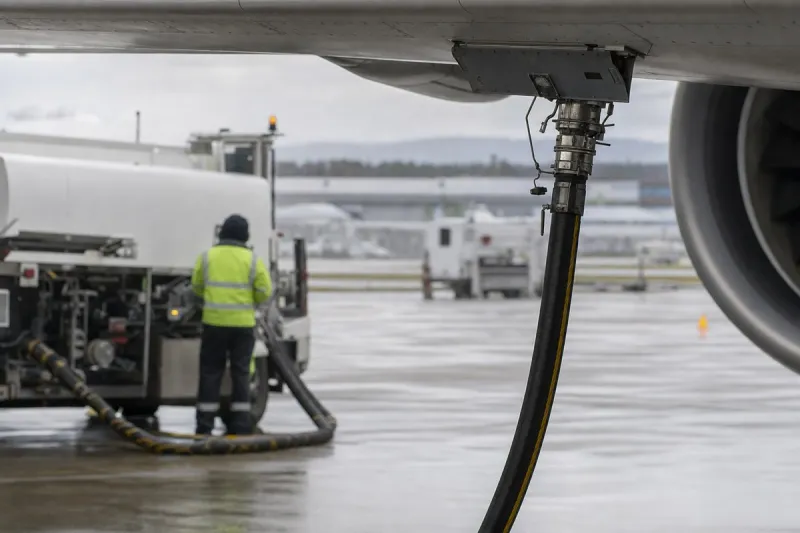
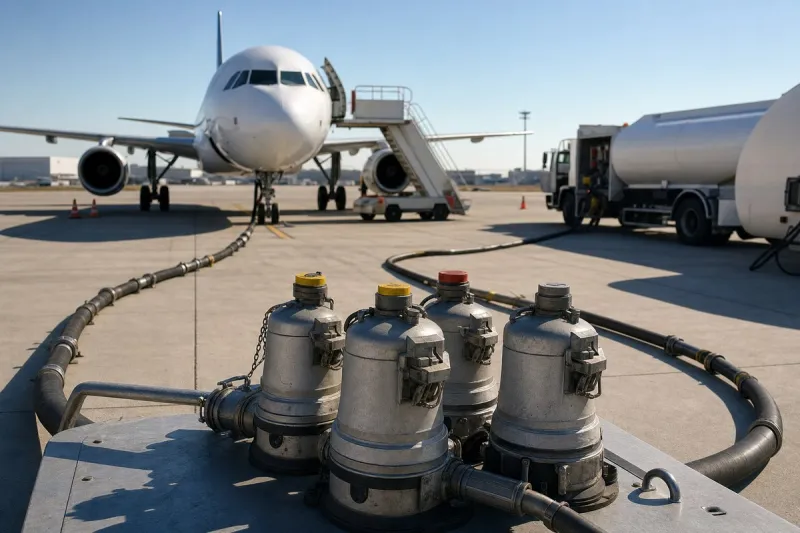
The eight funded projects are: a Bristol Airport liquid hydrogen supply assurance and architecture study led by Equilibrion, to develop a pathway for introducing liquid hydrogen infrastructure at that airport; the Cryogenic Hydrogen Optimised Systems for Aviation (CHOSAN) project, led by Badgerworks, aiming to demonstrate liquid hydrogen as an aviation fuel through point-to-point flights on regional routes of up to 500 km; the Hydrogen Propulsion Refuelling Infrastructure Mobile Ecosystem (HyPRIME), led by Zeroavia, developing a mobile hydrogen refuelling vehicle capable of supporting liquid hydrogen-powered aircraft and hydrogen-powered ground support equipment within standard commercial turnaround times; and the Sustainable Aviation Test Environment (SATE) hydrogen roadmap project, led by Urban Foresights, studying the feasibility of hydrogen-powered aircraft on regional routes across the Highlands and islands of Scotland, including a prioritised route list and airport infrastructure plans.
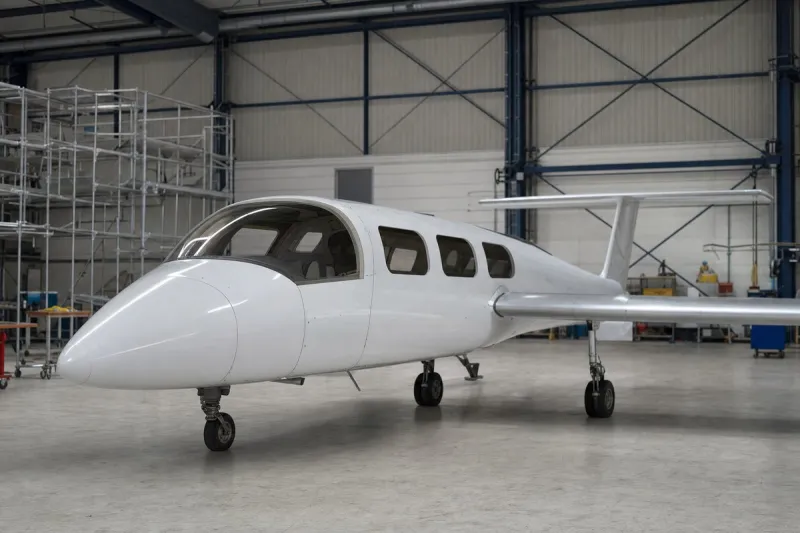
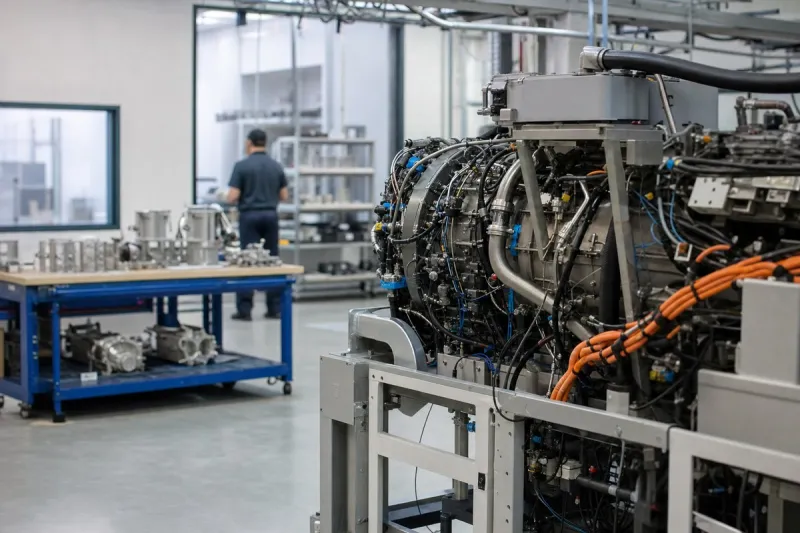
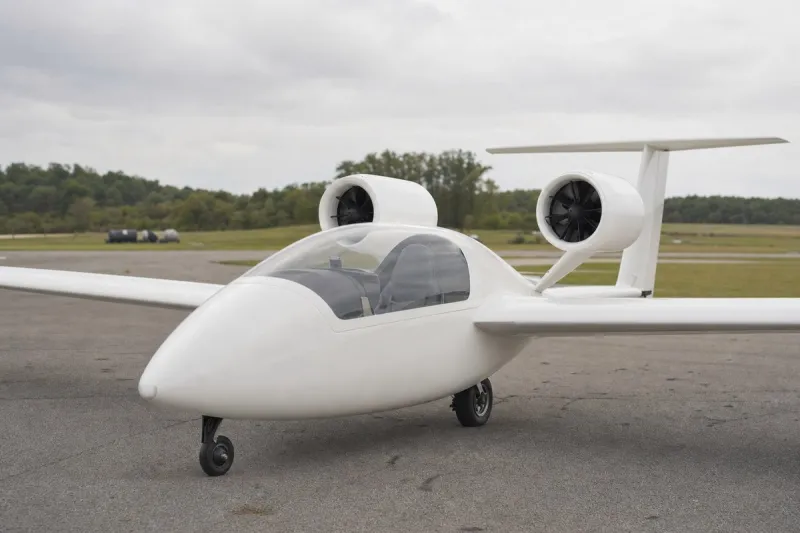
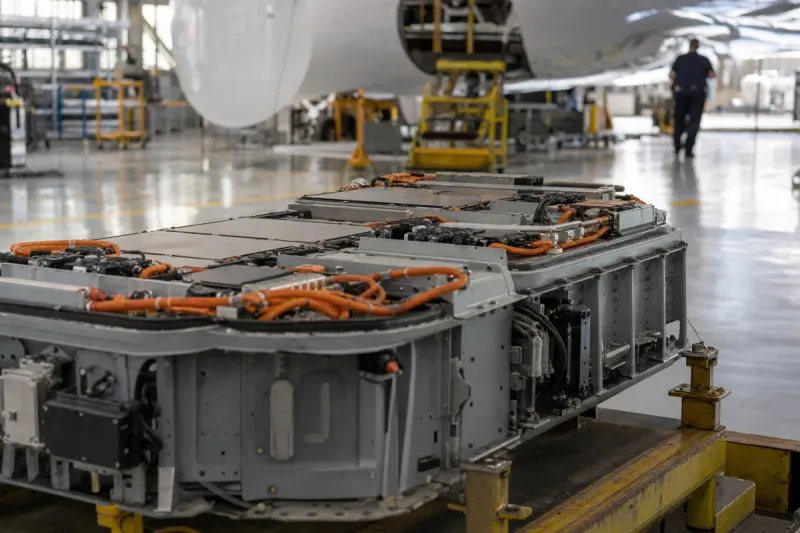
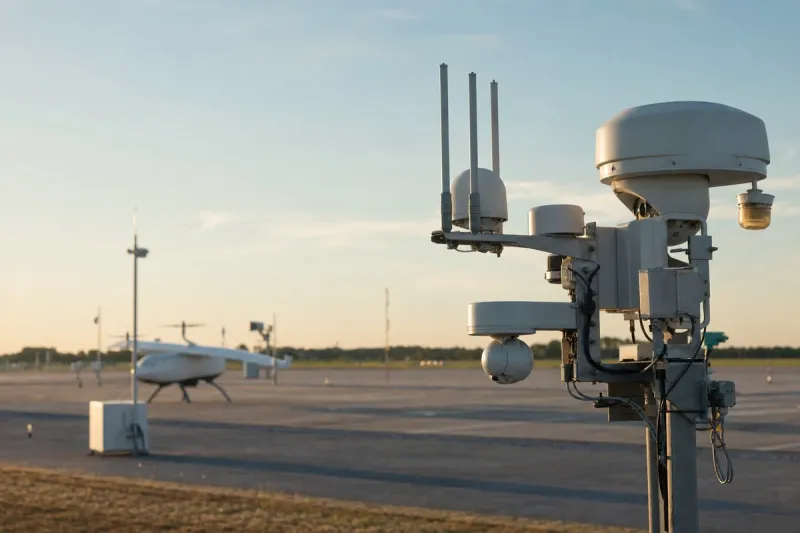
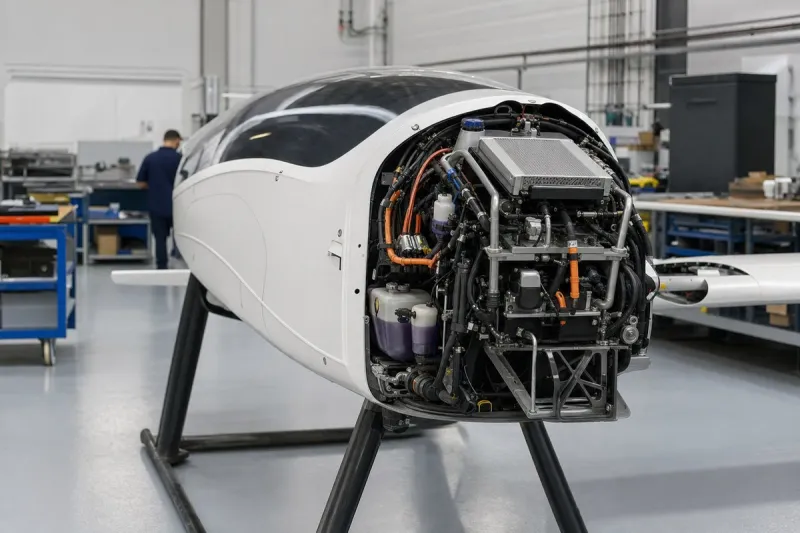
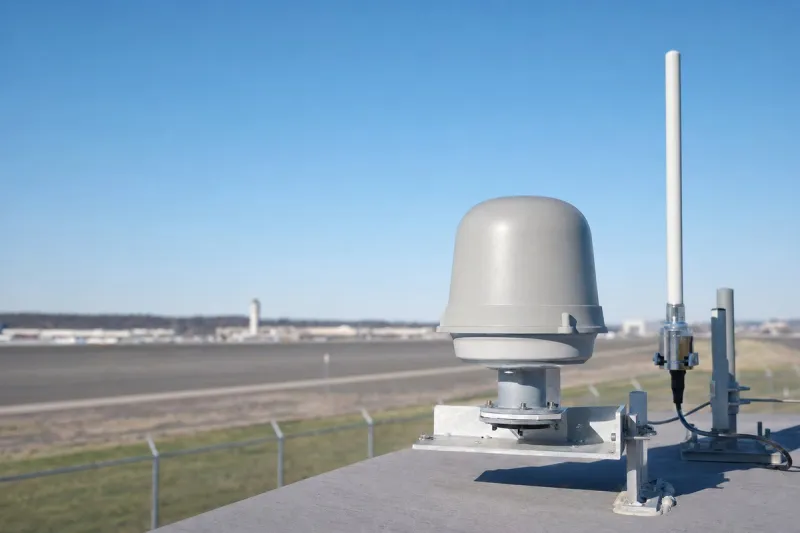
The remaining four projects are the Electrified Charging & Liquid-cooling Provision for Support of E-flights (ECLiPSE) project, led by Vertical Aerospace, delivering high-power charging and thermal-management solutions for electric aircraft; the Scalable Power Architecture to Rapidly Charge Aircraft (SPARC-AIR) feasibility study, led by Syselek (UK), addressing high-power charging infrastructure at airports and producing a blueprint for UK airport electrification; the Scottish Electric Aviation Network (SEAN) project, led by Bristow Helicopters, delivering a three-month real-world demonstration of zero-emission electric flight using a hub-and-spoke model centred on Inverness Airport with a Beta Technologies Alia electric utility aircraft with a range of approximately 400 km; and the Sky-Zero project, led by Electric Aviation, developing solutions to help airlines, airports, and air traffic management reduce contrail formation, along with monitoring and verification methods to measure the climate benefits of contrail avoidance.
Industry impact & what to watch
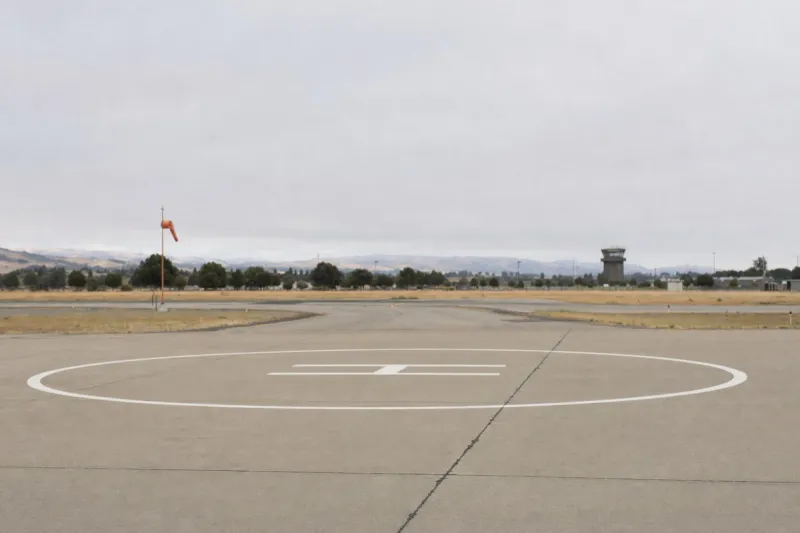
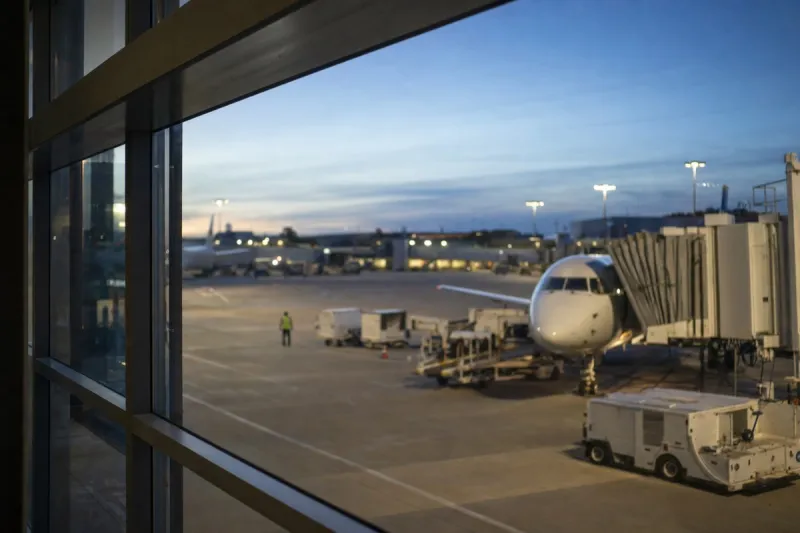
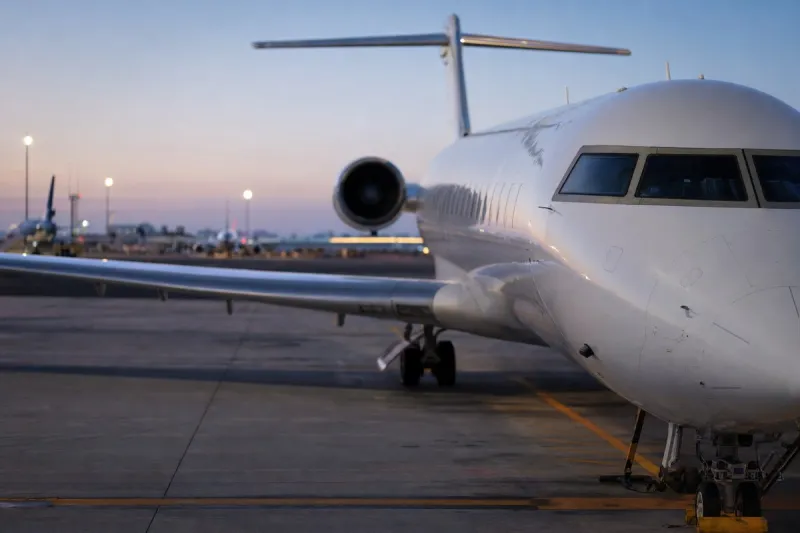
This round belongs to the pattern of government-seeded feasibility and infrastructure studies that precede any zero-emission aircraft entering commercial service: money goes to route studies, refuelling architecture, charging blueprints and measurement methods rather than to aircraft purchases or airline commitments. Regional airports such as Bristol and Inverness are named as sites for this groundwork because hydrogen and short-range electric aircraft are expected to enter service on shorter regional routes first, where infrastructure gaps are smaller to close than at large hub airports.
How this segment moves forward depends on each project converting its study or demonstration into a standard other airports and operators can adopt: a mobile hydrogen refuelling vehicle that meets standard turnaround times, a charging blueprint usable across UK airports, or a contrail-avoidance verification method regulators can rely on. The three-month Inverness demonstration using the Beta Technologies Alia aircraft is the one project with a defined, near-term flying trial, making it the clearest near-term marker of whether electric aircraft operations translate from study to real-world flight.