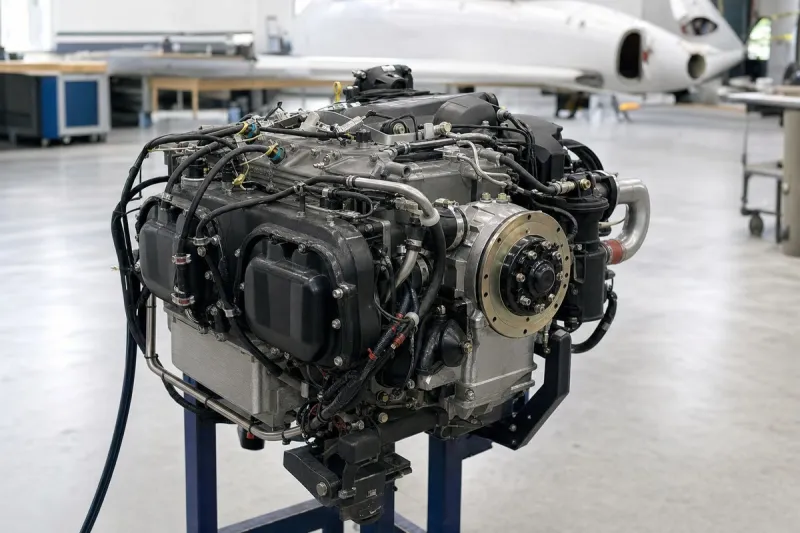
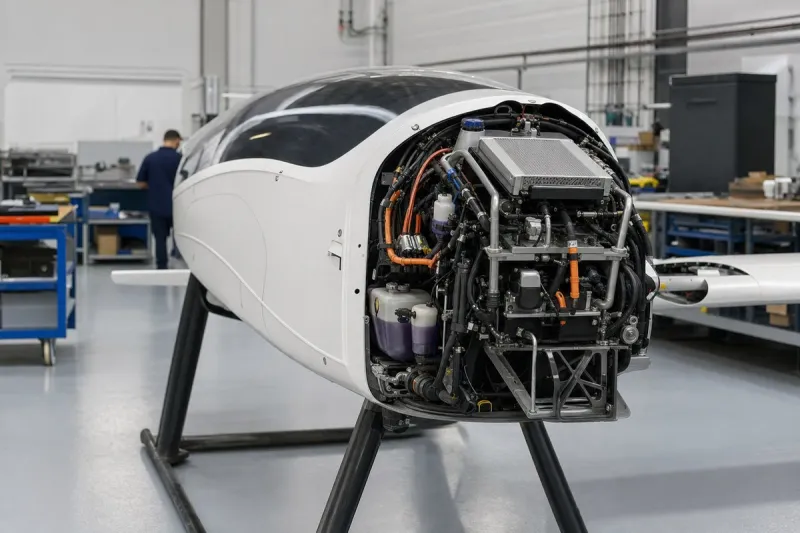
Wisk Aero Breaks Ground on Vertiport at Hollister Municipal Airport for Autonomous eVTOL Testing
Why It MattersData from a single public-airport vertiport testbed will feed FAA rulemaking, showing that autonomous aircraft standards are being shaped case by case at working airfields rather than in labs.
What happened
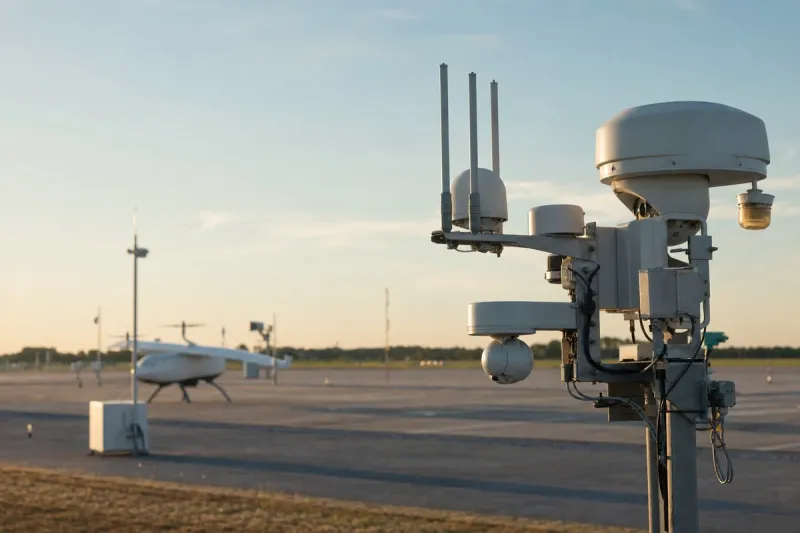
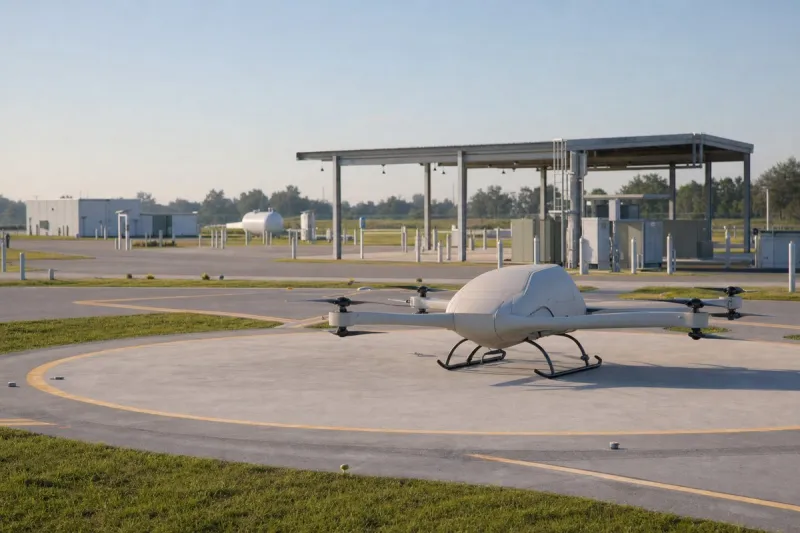
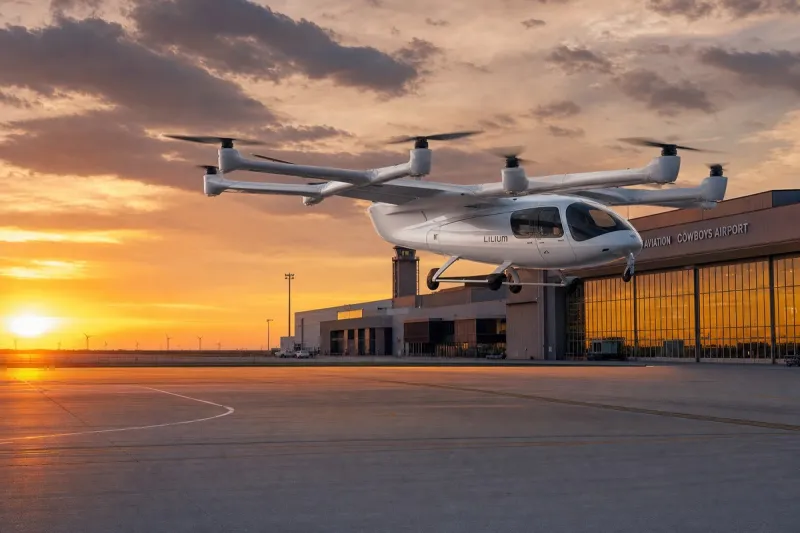
Wisk Aero has broken ground on a dedicated vertiport at Hollister Municipal Airport (KCVH) in California, describing it as one of the first public airport testbeds in the United States for autonomous and eVTOL aircraft operations.
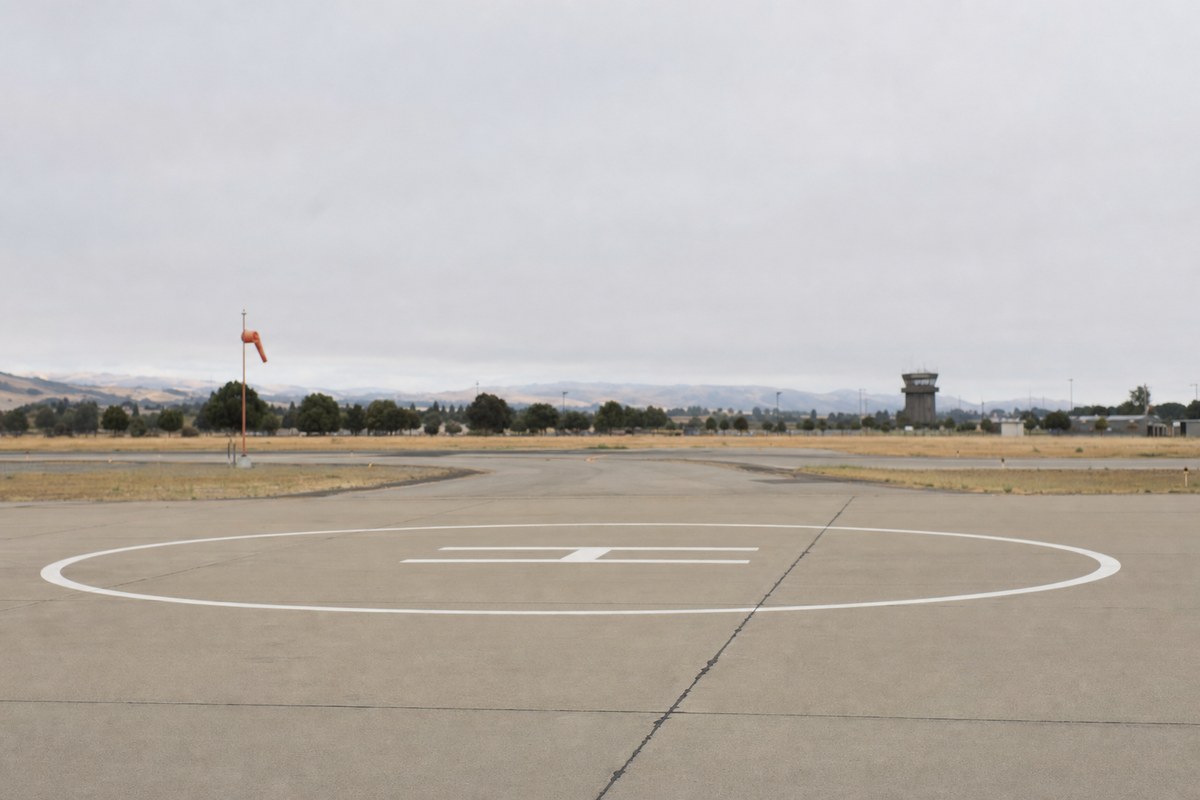
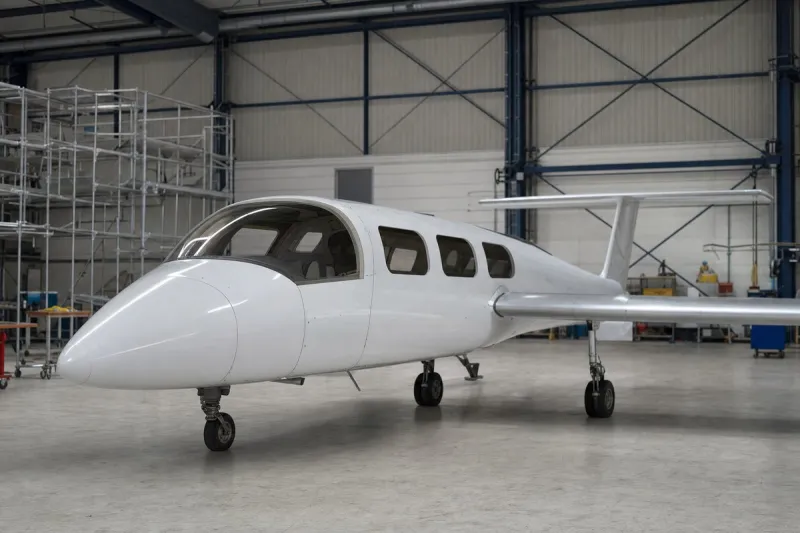
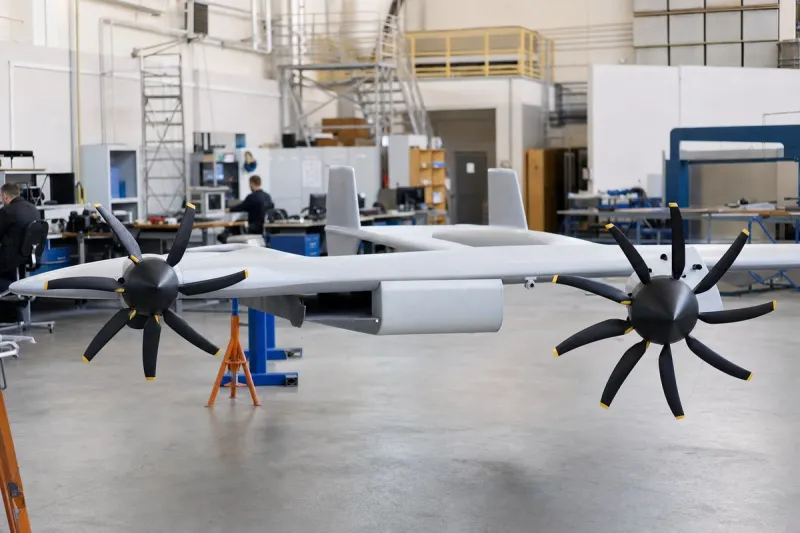
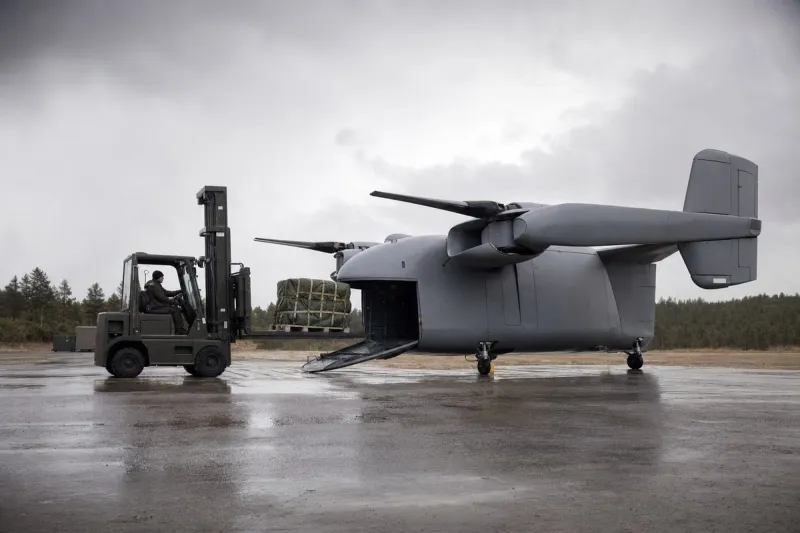
The site measures 100 by 100 feet and will support both piloted and unpiloted operations, with testing centered on Wisk's autonomous Generation 6 aircraft and its precision landing technologies. Testing will target operations in reduced-visibility and GPS-denied environments. Wisk already conducts flight testing at Hollister Municipal Airport.
Data gathered from real-world operations at the vertiport is intended to support Wisk's autonomy development, contribute to FAA initiatives, and help establish future performance-based vertiport standards for autonomous aircraft. Wisk Aero, an autonomous air taxi developer, is the subject of a pending acquisition by eVTOL manufacturer Archer Aviation, which Boeing agreed to this month.
Industry impact & what to watch
Building a dedicated vertiport at an existing general aviation airport rather than a purpose-built site puts autonomous eVTOL testing inside the infrastructure the industry will actually use, instead of a closed proving ground disconnected from real operations.
Performance-based vertiport standards for autonomous aircraft do not yet exist, so a working testbed that produces flight data on reduced-visibility and GPS-denied landings gives regulators something concrete to reference when writing them. General aviation airports hosting this kind of work take on a role beyond their traditional based-fleet and training traffic.
The pending Archer Aviation acquisition, agreed to by Boeing this month, adds uncertainty to how this program continues once ownership changes; whether the vertiport work and its data-sharing arrangements with the FAA carry forward under new ownership is the detail to watch.