FAA Issues First U.S. Hydrogen-Electric Engine Rules for ZeroAvia ZA601, Covering Regional Turboprops Not eVTOL
Why It MattersThe ruling signals hydrogen-electric propulsion is being routed toward runway-based regional turboprops rather than eVTOL air taxis, shaping near-term certification priorities across the industry.
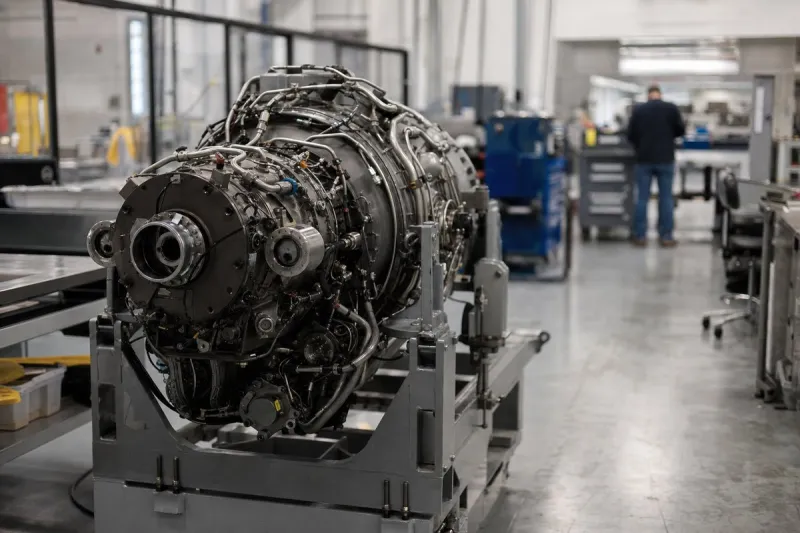
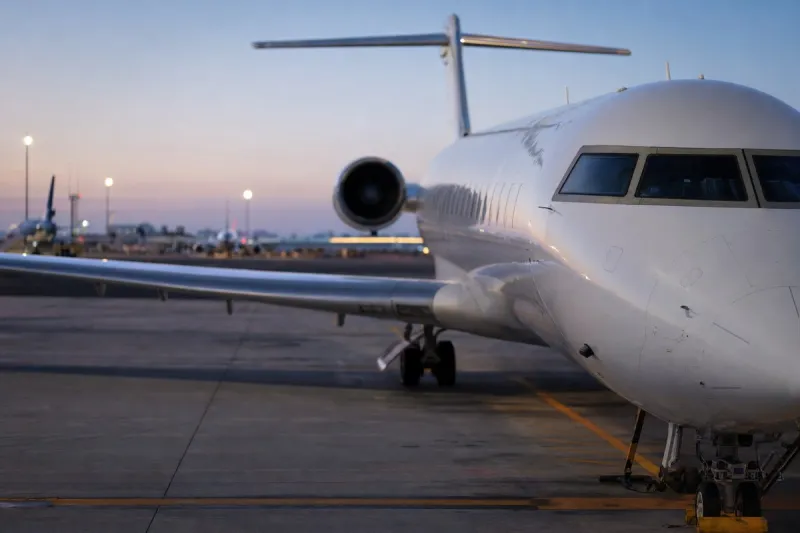
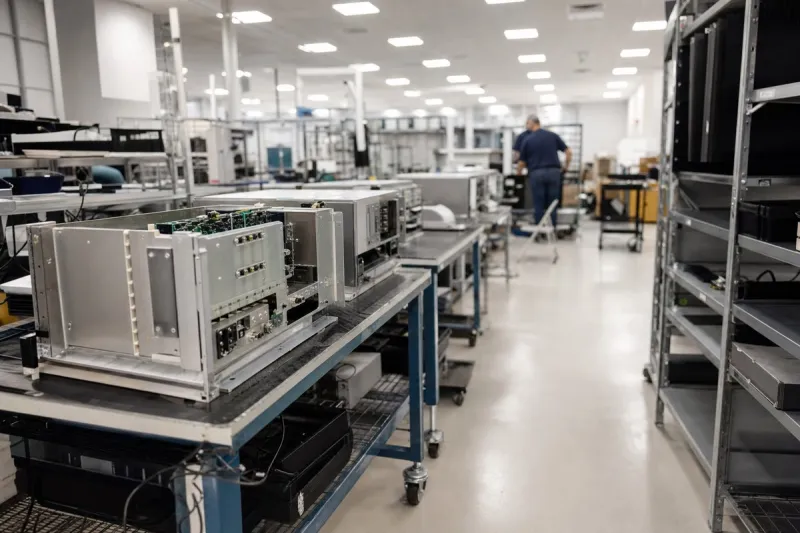
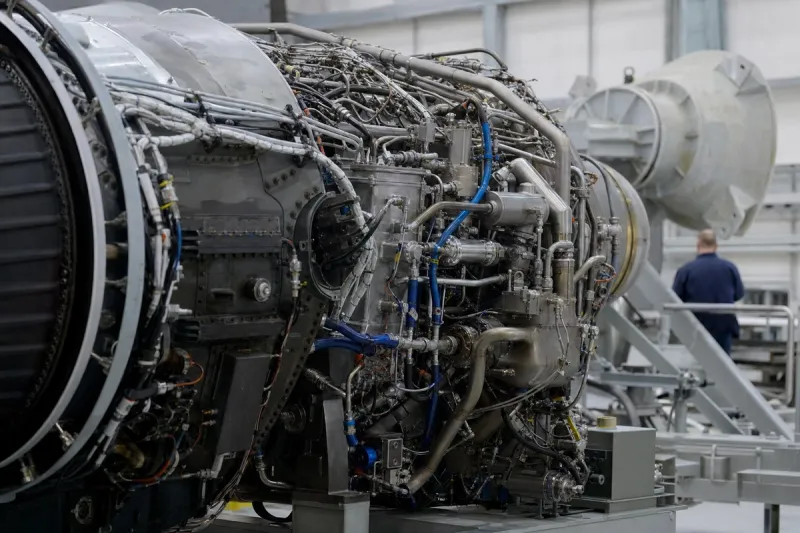
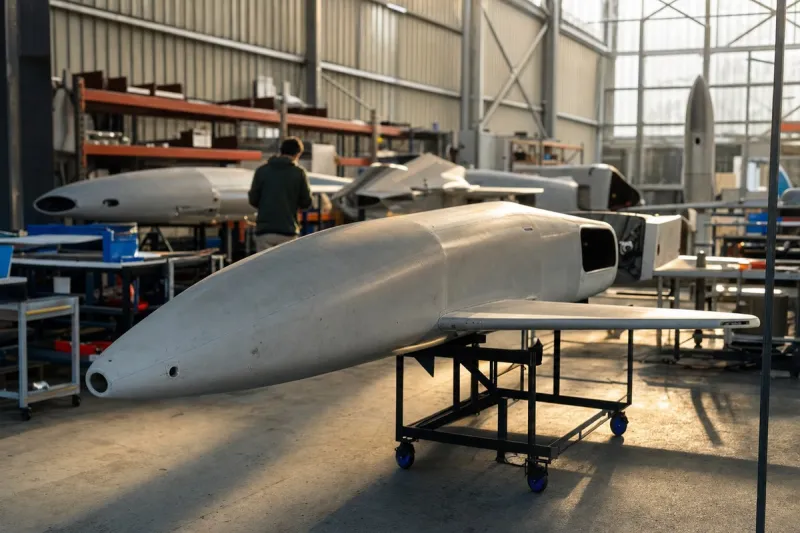
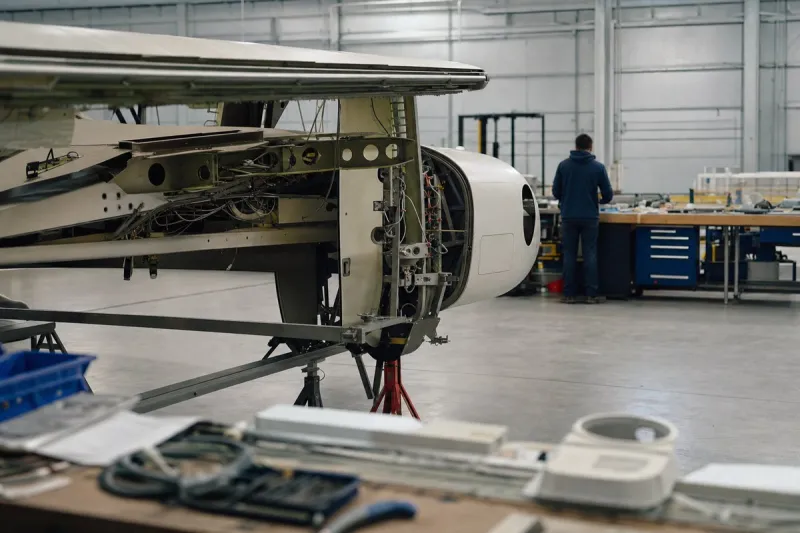
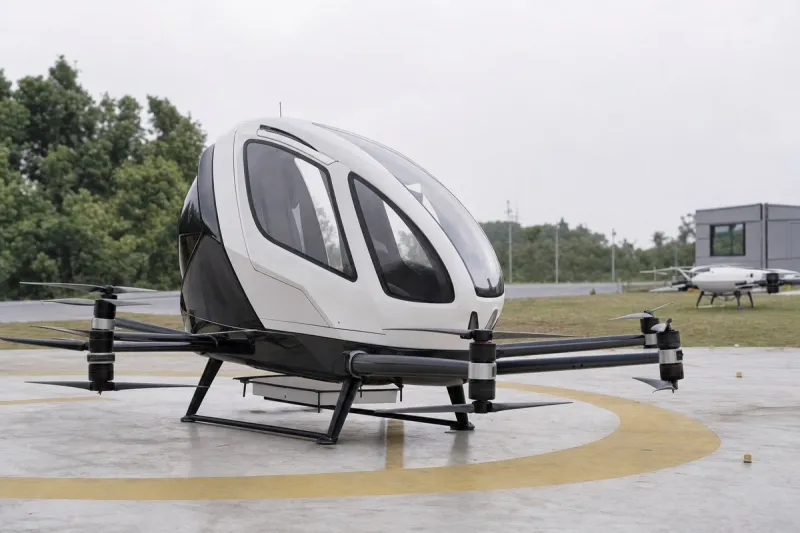
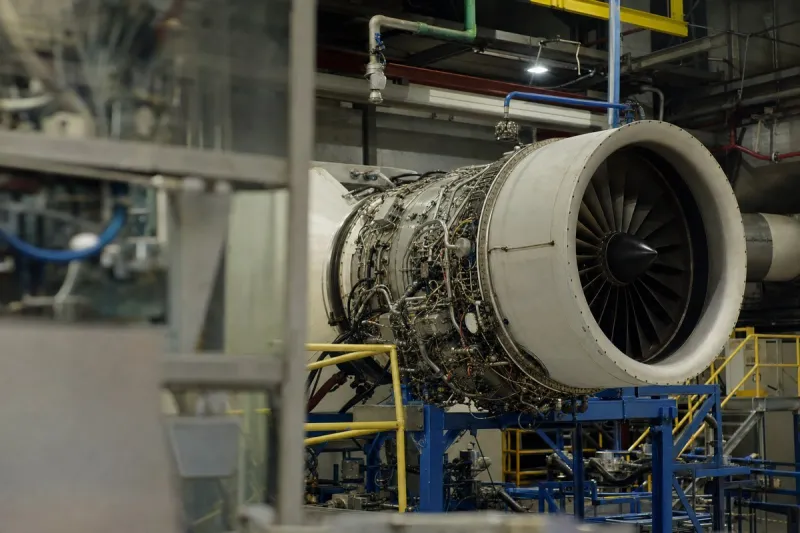
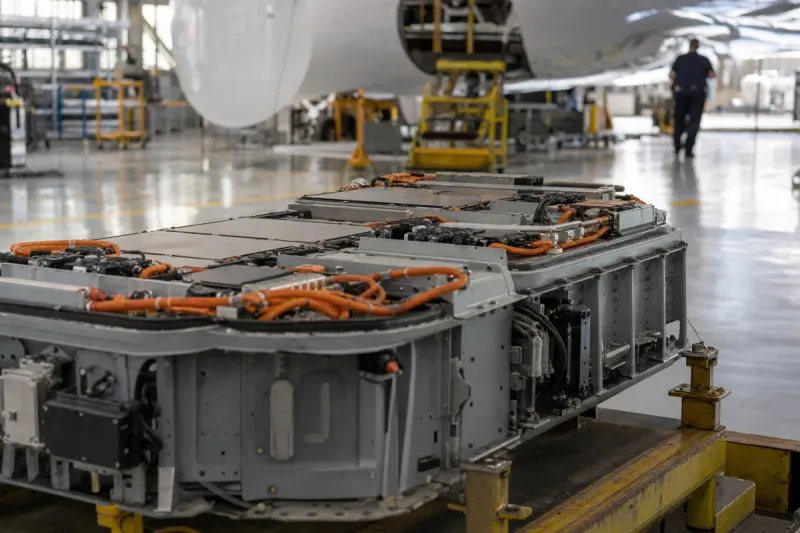
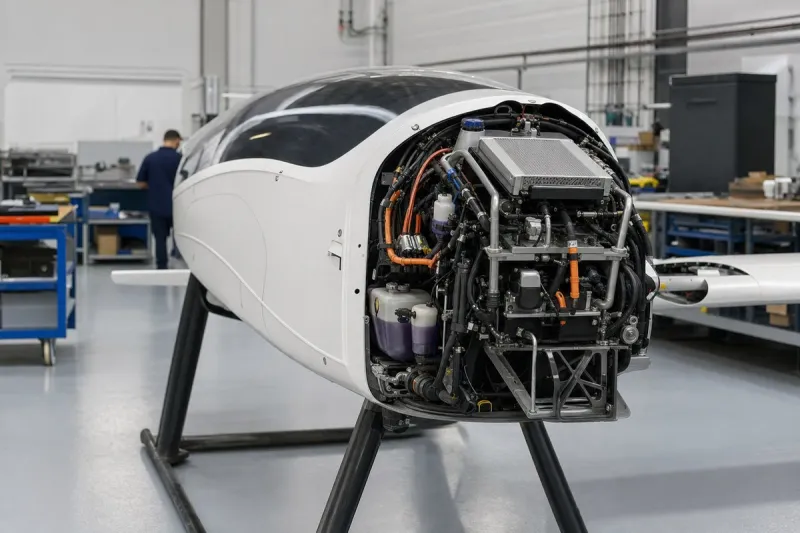
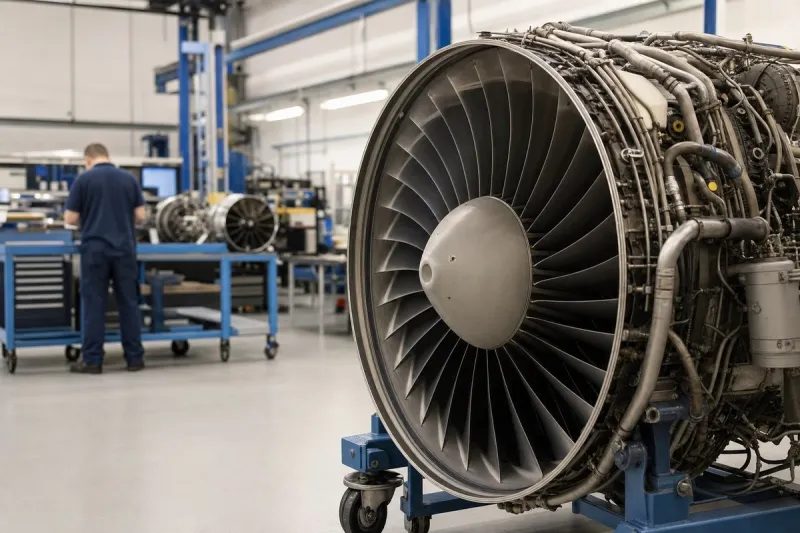
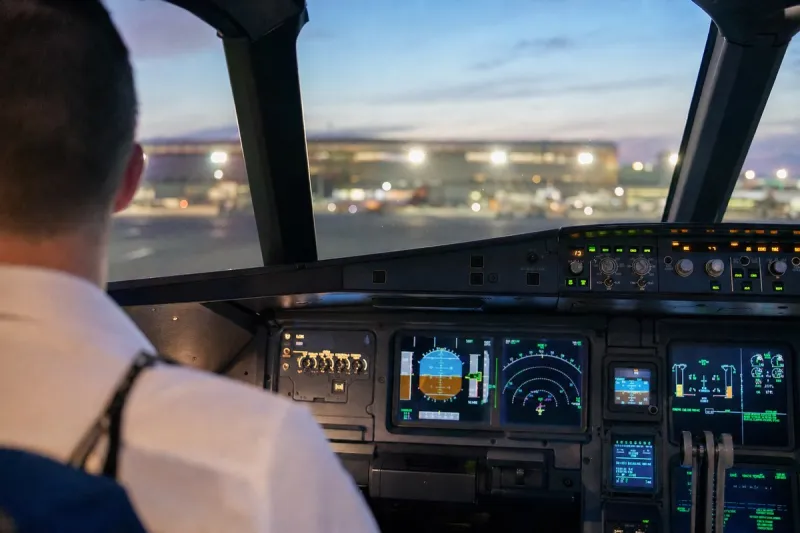
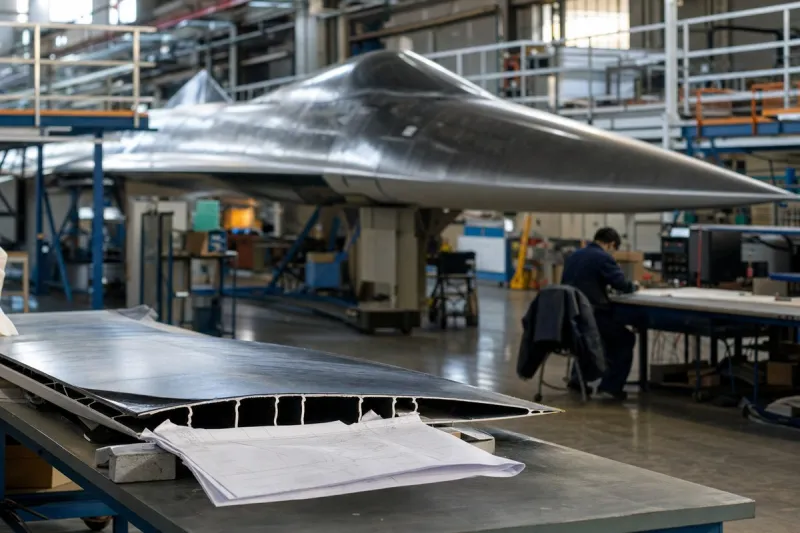
The U.S. Federal Aviation Administration has issued the first American special conditions for certifying a hydrogen-electric aircraft engine, targeting ZeroAvia's ZA601, a 600-kilowatt unit manufactured in Hollister, California, for use in 19-seat regional turboprop aircraft. The rulebook covers conventional runway-based commuter planes in the 10-to-20-seat class and does not apply to electric vertical takeoff and landing aircraft. The ZA601 combines a hydrogen fuel cell, inverters, and a direct-drive motor spinning a propeller at approximately 2,200 rpm. ZeroAvia plans fuel cell certification around 2027, with the full powertrain expected to follow near 2029. The company previously flew a 600-kilowatt engine on a Dornier 228 in England and is developing the larger ZA2000, intended for aircraft of up to 80 seats such as the ATR 72 and De Havilland Dash 8. KLM has announced a demonstration flight on a turboprop of that class in 2026 using liquid hydrogen.
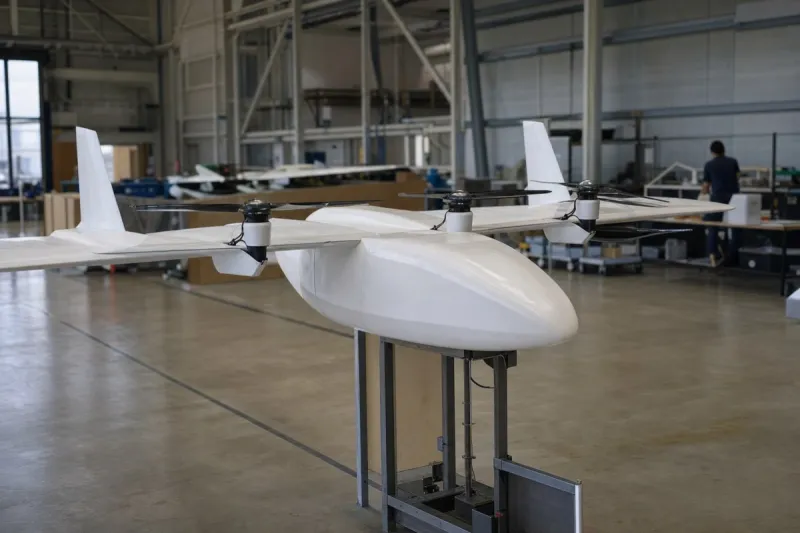
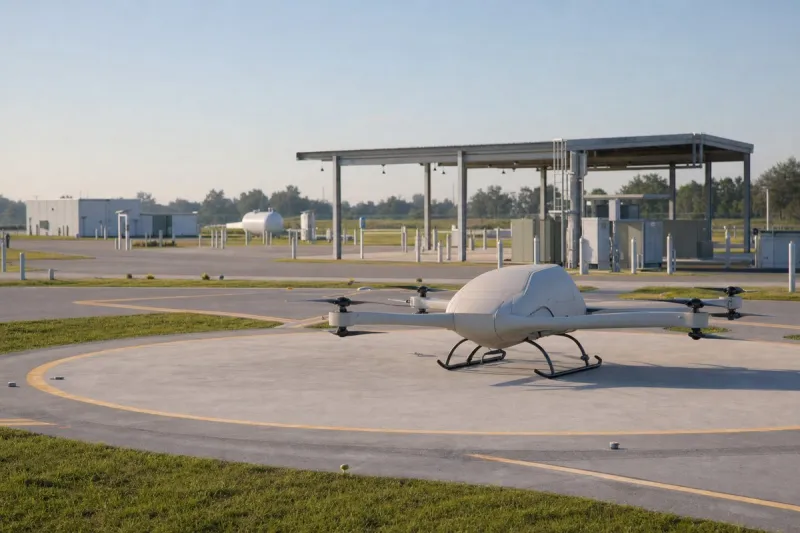
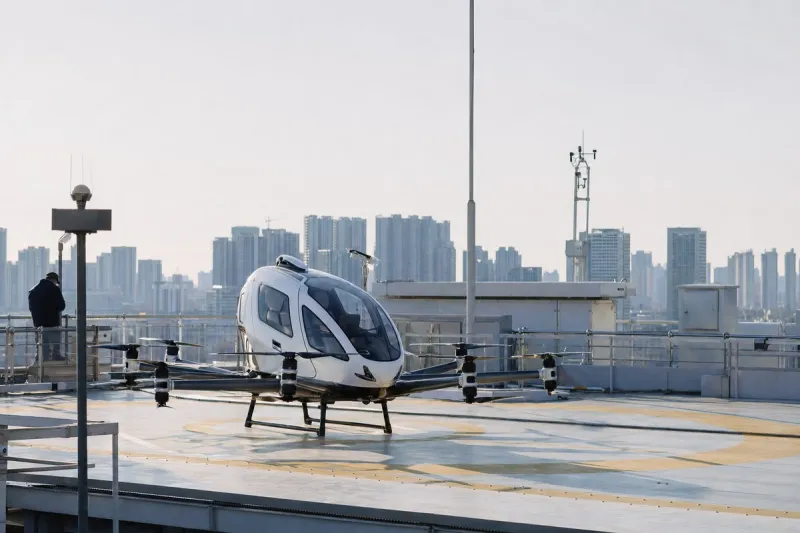
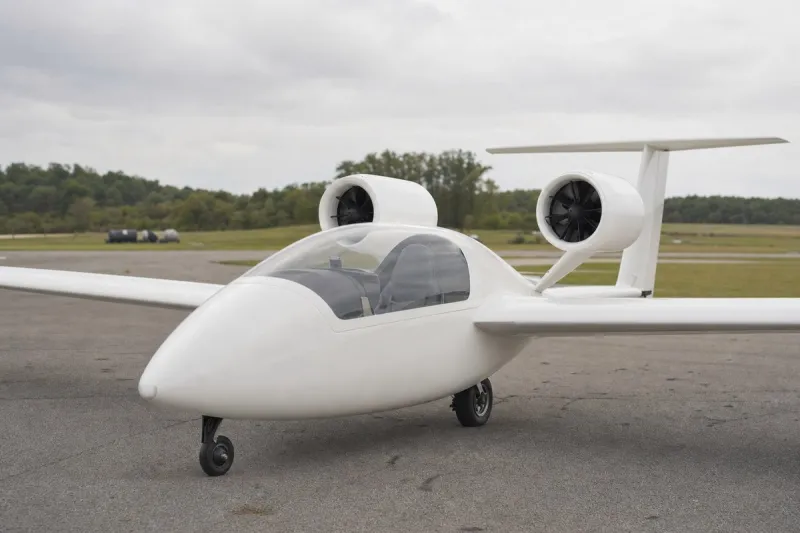
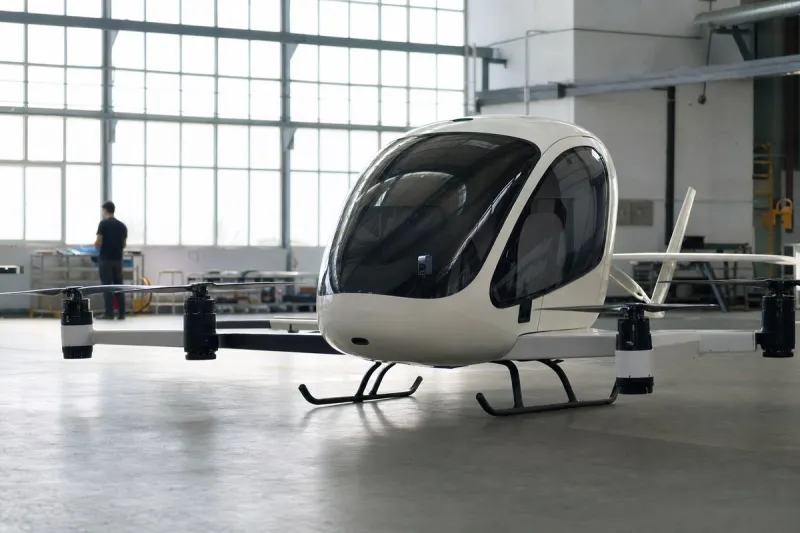
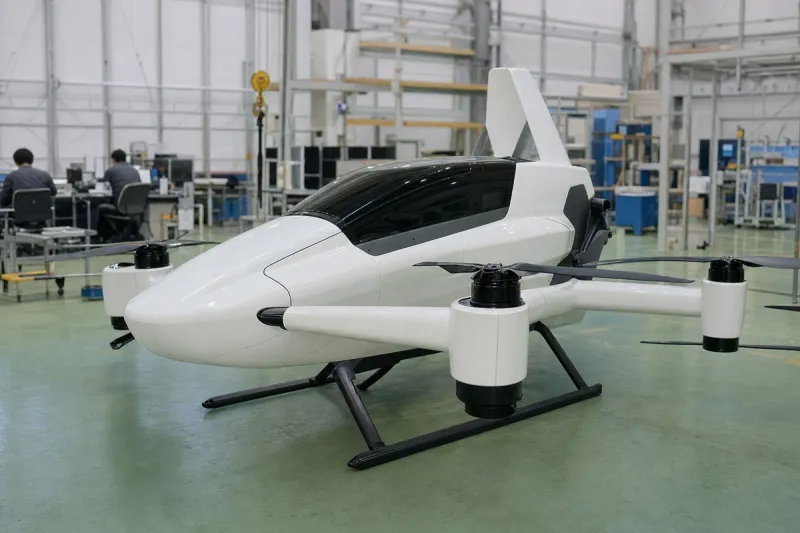
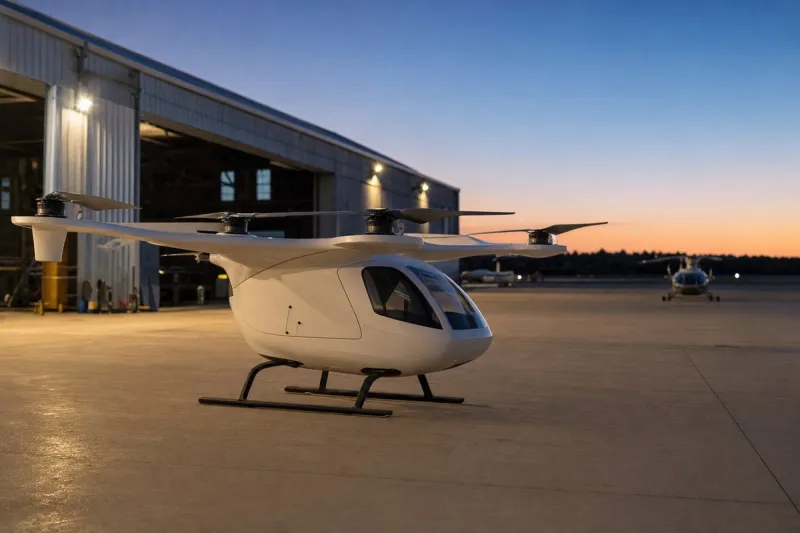
Fuel cells release energy slowly, with system-level specific power for current units near 600 watts per kilogram, making them poorly suited to the high instantaneous power demands of vertical flight; research published in the Journal of Aircraft by University of Maryland scientists concluded that a powertrain running on fuel cells alone cannot lift off the ground, since batteries discharge quickly enough to handle takeoff while fuel cells excel at sustained cruise. In June 2024, Joby Aviation flew a converted hydrogen prototype 523 miles near Marina, California, the first forward flight of a vertical-takeoff aircraft on hydrogen, keeping a battery on board to power takeoff and landing and using the fuel cell only for cruise. Honda's air taxi prototype, the F1, lifted off for the first time on April 1, 2026, near San Luis Obispo, hovering about 90 seconds at roughly 7,000 pounds on battery power, and to achieve a target range of 249 miles Honda chose a gas-burning turbogenerator rather than a fuel cell to charge the battery in flight.
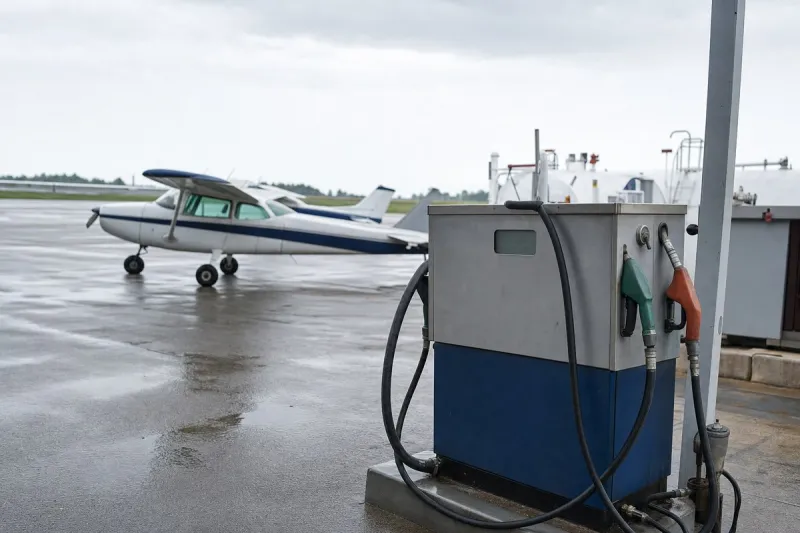
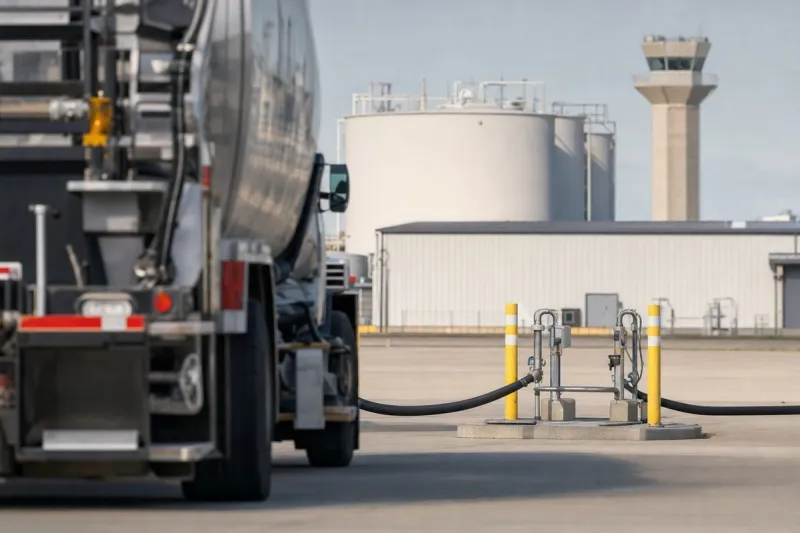
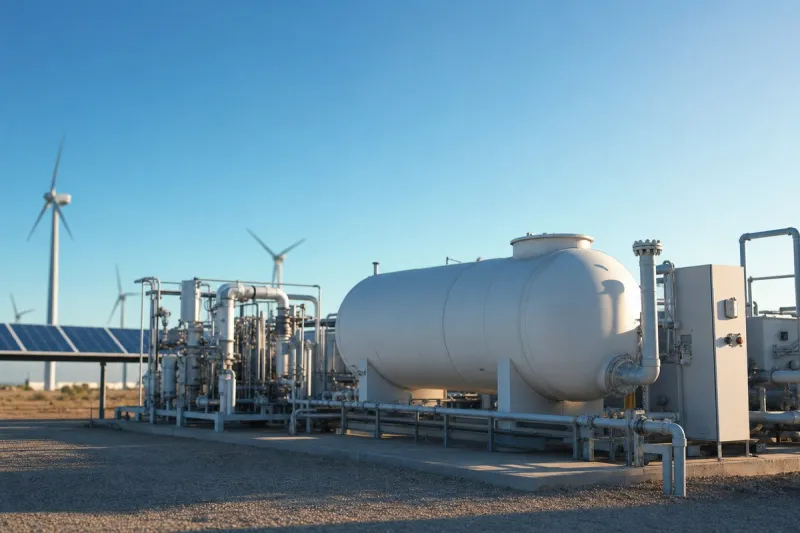
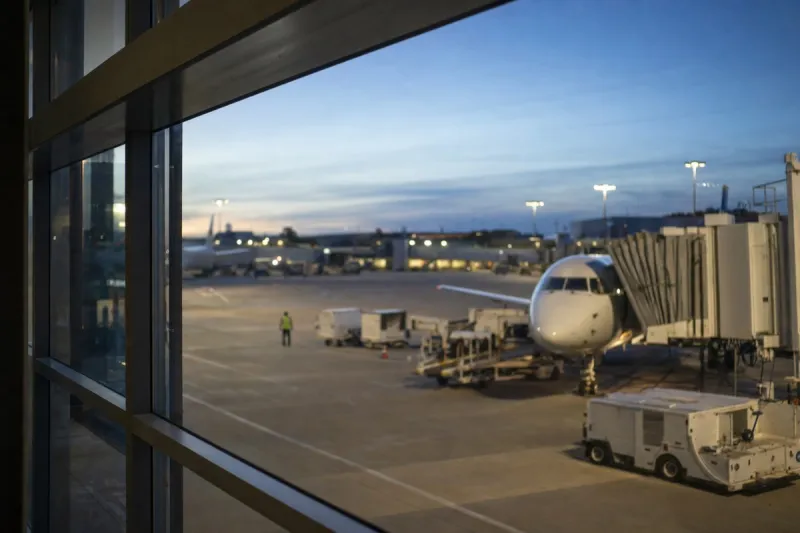
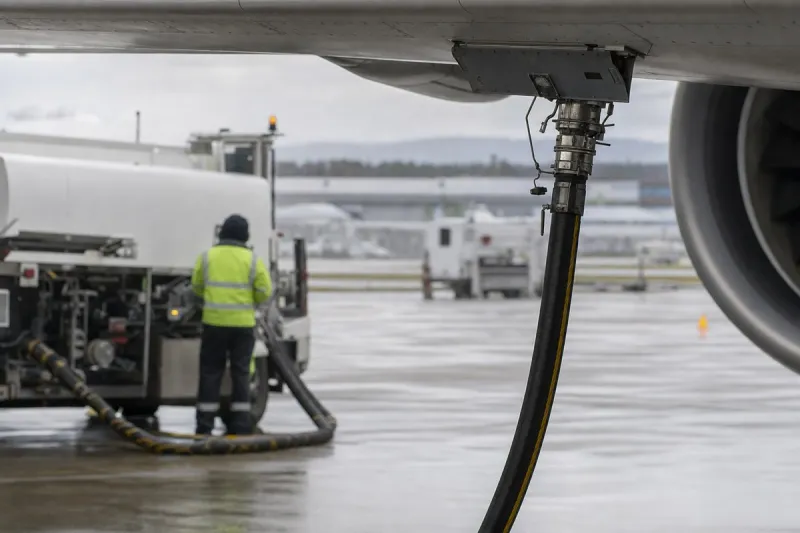
Universal Hydrogen spent $100 million attempting to retrofit an ATR 72 with a hydrogen powertrain before shutting down in June 2024 and liquidating its retrofit line in Toulouse. Liquid hydrogen requires storage at minus 253 degrees Celsius, cryogenic tanks, and specialist airport infrastructure that is largely absent today. The FAA's decision to certify a regional turboprop engine first reflects where hydrogen propulsion currently offers a practical advantage: 200-mile regional hops that exceed battery range but are served by airports with paved runways. Short-range urban air taxi operations are expected to remain battery-powered, or to use turbine-based range extenders when greater range is needed.