ADS-B 'In' Developments Advance Ahead of Potential Mandates
Why It MattersCockpit surveillance technology is shifting from a voluntary safety add-on toward a baseline expectation that regulators, manufacturers and operators now plan around before any rule is finalized.
What happened
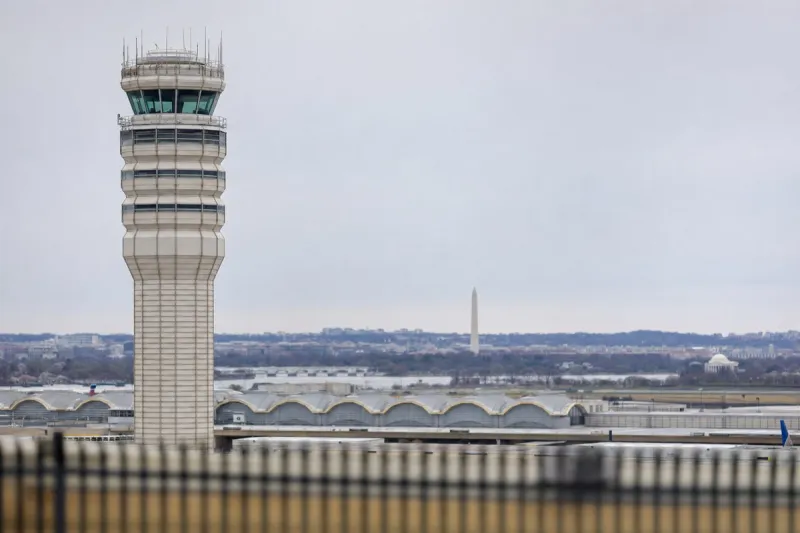
Development of ADS-B In technology is advancing ahead of potential regulatory mandates requiring its use. The push for mandatory Automatic Dependent Surveillance-Broadcast requirements has gained urgency following the fatal midair collision between a U.S. Army Sikorsky UH-60 Black Hawk helicopter and a Bombardier CRJ700 regional jet.
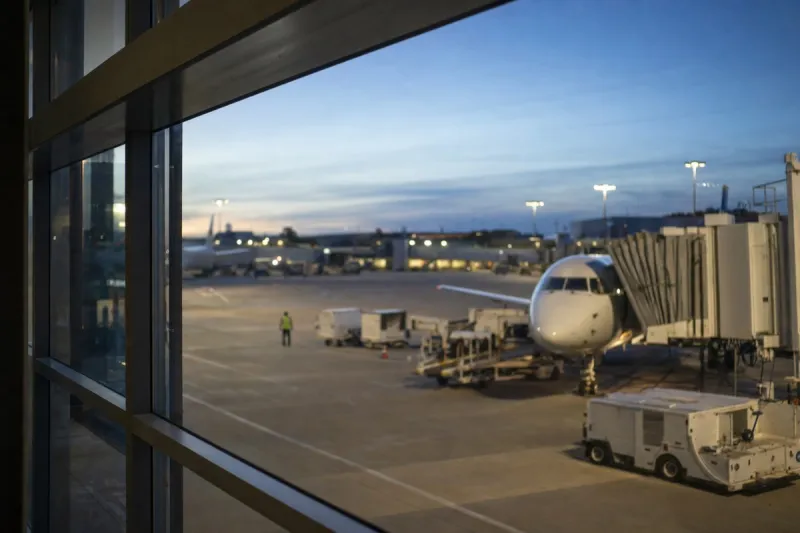
The Black Hawk was on a nighttime training mission when it collided with the CRJ700, which was on final approach to Ronald Reagan Washington National Airport. The accident occurred nearly two years ago.
Industry impact & what to watch
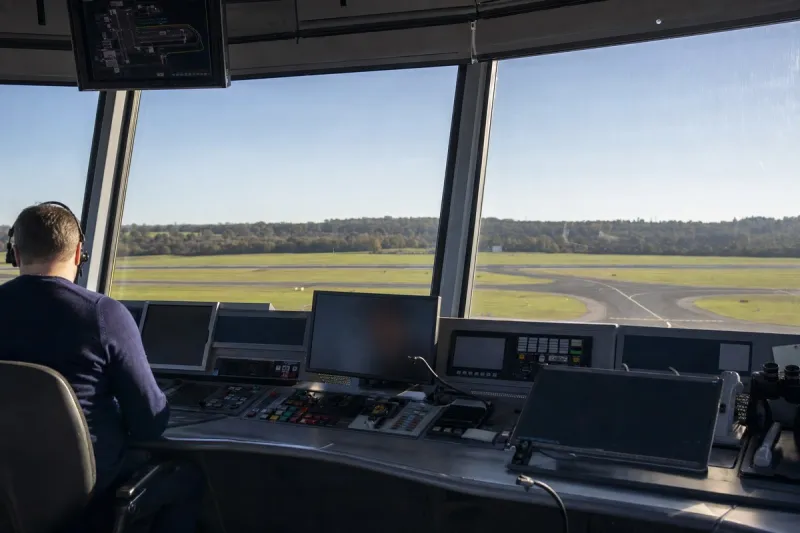
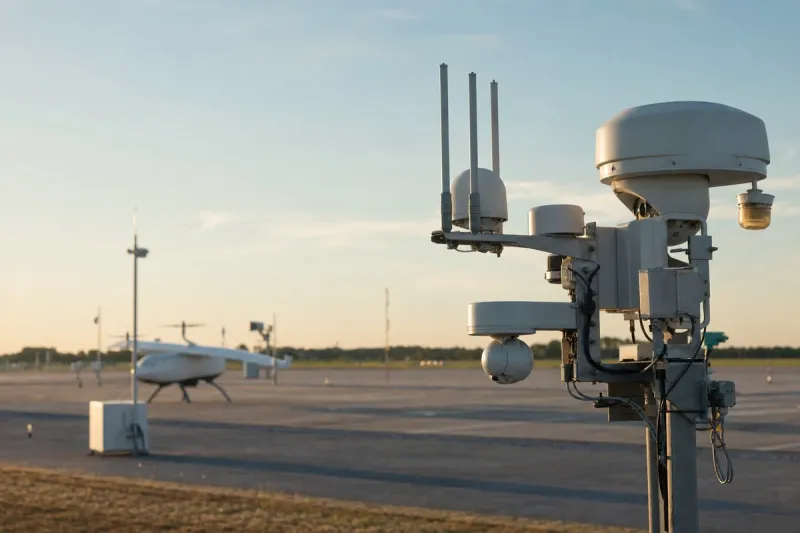
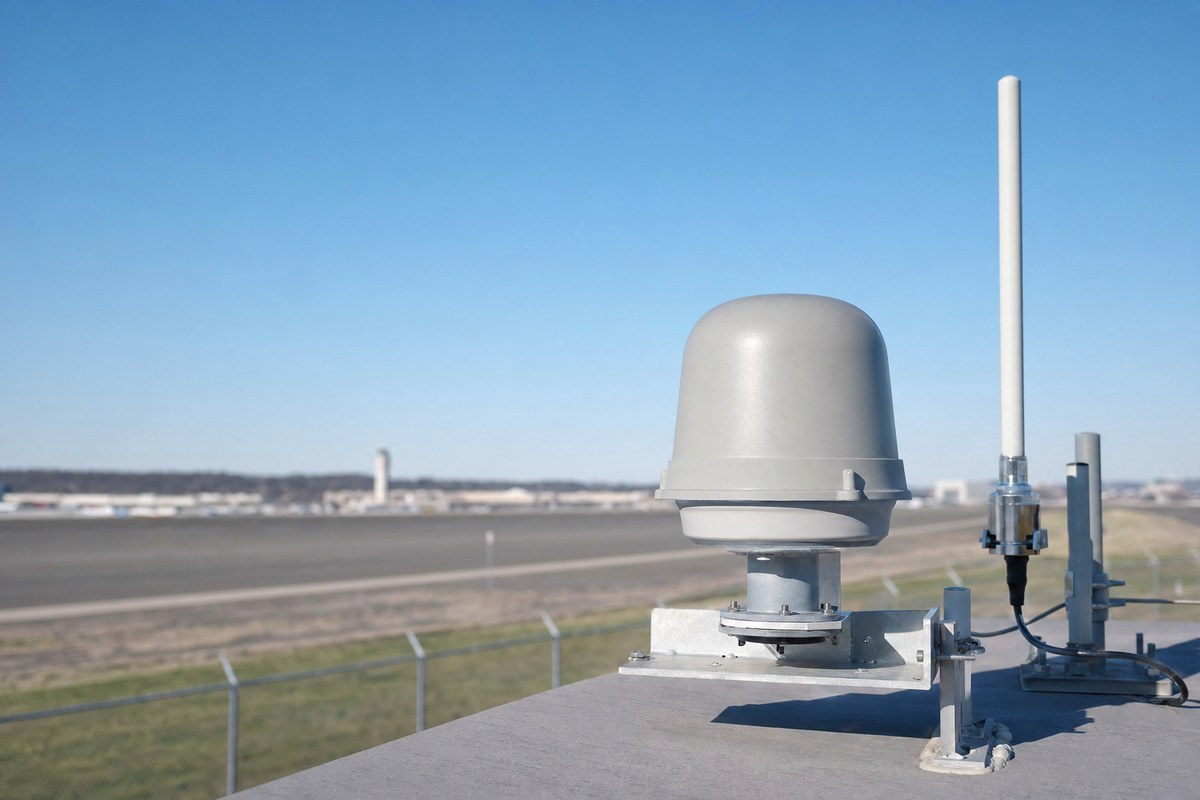
The episode belongs to a familiar cycle in aviation safety regulation: a fatal accident exposes a gap in surveillance or separation technology, and equipment that had been optional or partially adopted moves toward becoming a mandated standard. ADS-B Out is already required in many controlled airspaces, but ADS-B In - which lets aircraft display nearby traffic in the cockpit rather than relying solely on ground-based air traffic control separation - has lagged in adoption because it has not carried the same regulatory weight.
How this plays out will depend on whether regulators formalize an ADS-B In mandate and over what timeline, since equipage decisions for operators, OEMs and avionics suppliers hinge on knowing which aircraft categories and airspace will be covered. A mandate would reshape retrofit demand across the fleet in a way that voluntary adoption has not.
The next marker to watch is whatever rulemaking or policy statement follows from the accident investigation, since that will determine which operators face a compliance deadline and on what schedule avionics manufacturers need to scale production.