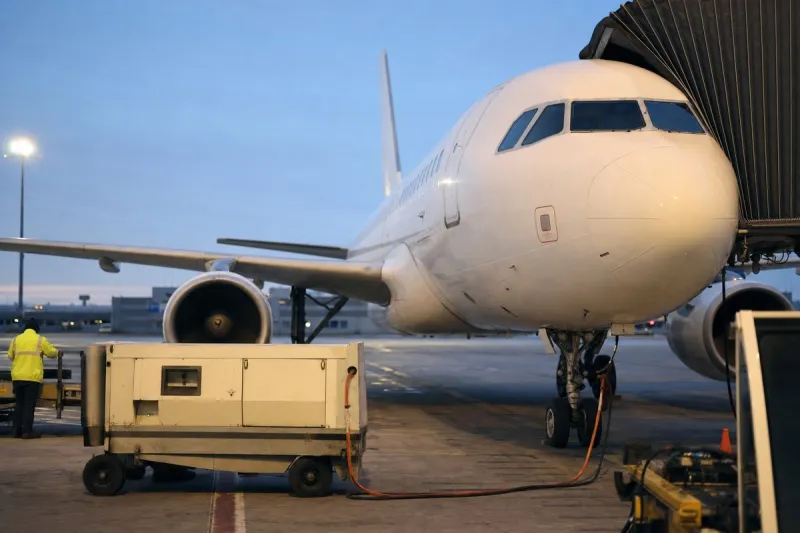
Boeing Faces Another Labor Union Contract Rejection and Strike Authorization
Why It MattersRepeated contract rejections at a major OEM show how labor disputes can threaten production continuity well before any walkout actually begins.
What happened
Members of SPEEA's Professional and Technical units in the Puget Sound region rejected a Boeing contract proposal and subsequently voted to authorize a strike, with the events dated to Aug. 21.
Aviation Week's Daily Memo described the outcome as one that was practically expected given the ongoing tensions between Boeing and its workforce, while noting that the situation still carries danger for both parties.
Industry impact & what to watch
A contract rejection followed by a strike authorization is a recognized step in labor negotiations at large manufacturers, signaling that a workforce believes it has leverage before a deadline forces a resolution.
At an OEM the size of Boeing, prolonged labor uncertainty in engineering and technical ranks can ripple into program schedules, certification work and delivery commitments, since these units often support design, testing and technical documentation functions that production lines depend on.
Whether this dispute escalates into an actual work stoppage will depend on whether Boeing and SPEEA return to the table with a revised offer, and on how quickly any resulting negotiations move given the strike authorization already in hand.