US Airline Captains at Major Carriers Can Earn Up to $580,000; Pilot Shortage Reshapes Pay and Retention
Why It MattersAs airline seniority pay climbs and mandatory retirement looms at 65, private aviation gains access to experienced widebody Captains willing to accept lower pay for different roles.
What happened
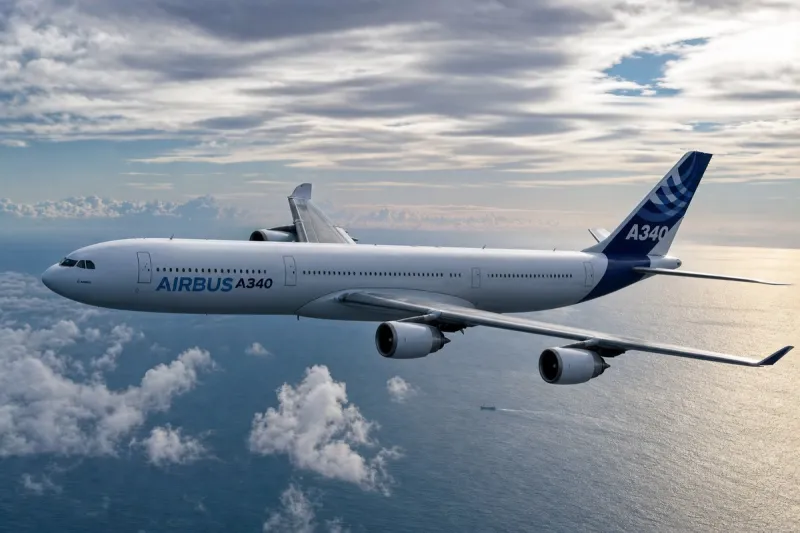
Senior Captains flying widebody aircraft such as the A350, Boeing 777 and 787-9 for Delta Air Lines, United Airlines and American Airlines earn total compensation of $470,000 to $580,000 annually, according to 2026 figures compiled by American Flyers.
Year-1 First Officer base salaries range from $65,275 at UPS to $130,540 at Southwest Airlines. At the Year-12 Captain level, salaries range from $300,859 at FedEx to $387,000 at UPS, while Delta pays $349,540, United pays $356,443, American pays $351,339, and Frontier Airlines pays $362,212. Beyond base pay, pilots at the three largest carriers can receive benefits worth an additional $75,000 to over $150,000 per year. Delta contributes up to 18% of eligible earnings toward 401(k) retirement accounts and paid 8.9% profit sharing in 2025, to be distributed in 2026. United pilots receive block-hour pay with a monthly minimum guarantee, per diem, override pay, holiday pay, and annual profit sharing.
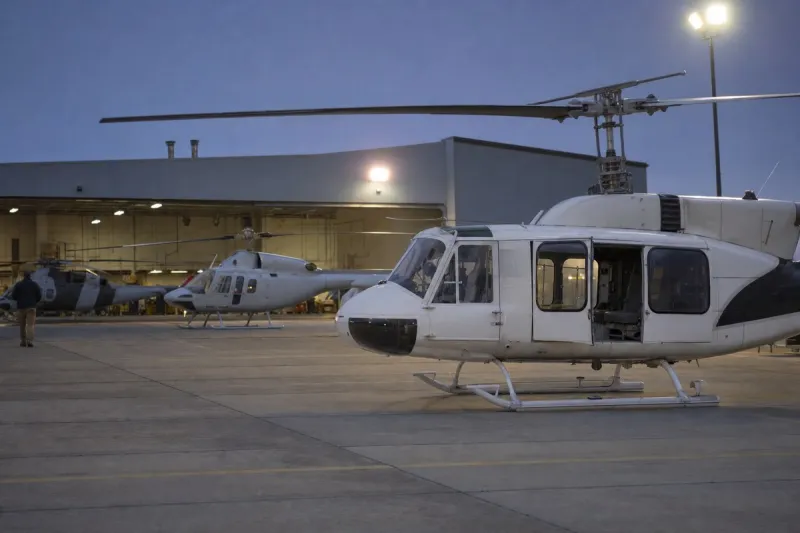
Pay rises almost entirely with seniority under collective bargaining agreements that set annual pay steps. Most contracts feature 12-year pay scales with hourly rate increases of 8%-15% annually in years one through five, 4%-8% in years six through ten, and 2%-5% in years eleven and twelve. The largest single pay jump occurs at promotion from First Officer to Captain, where pay rises immediately by 20%-40%. Frontier Airlines has, since 2019, recruited helicopter pilots and offered conversion incentives amid the pilot shortage, which has also drawn trained pilots away from the US Air Force, Navy and Marines, prompting the armed services to offer their own retention bonuses. Pilots are currently required to retire at 65 under FAA Part 121 regulations, and the FAA is considering raising that age to 67. The Air Line Pilots Association opposes the increase, warning it could cause scheduling and training disruptions and require renegotiation of pilot contracts, according to a 2024 Reuters report. Surveys suggest roughly half to two-thirds of pilots would choose to continue working past 65 if permitted.
Industry impact & what to watch
The pay figures illustrate how a pilot shortage has shifted leverage toward pilots across the wider labor market, not just at the three largest carriers named. Seniority-based pay scales mean the shortage compounds most visibly at the top of an airline's pilot list, where Captains on the largest aircraft capture the steepest pay jump in the entire scale, the 20%-40% increase at Captain promotion.
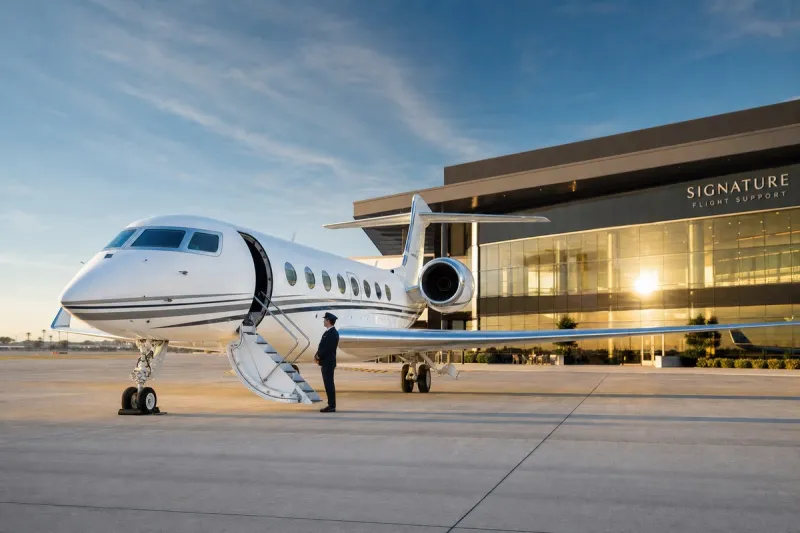
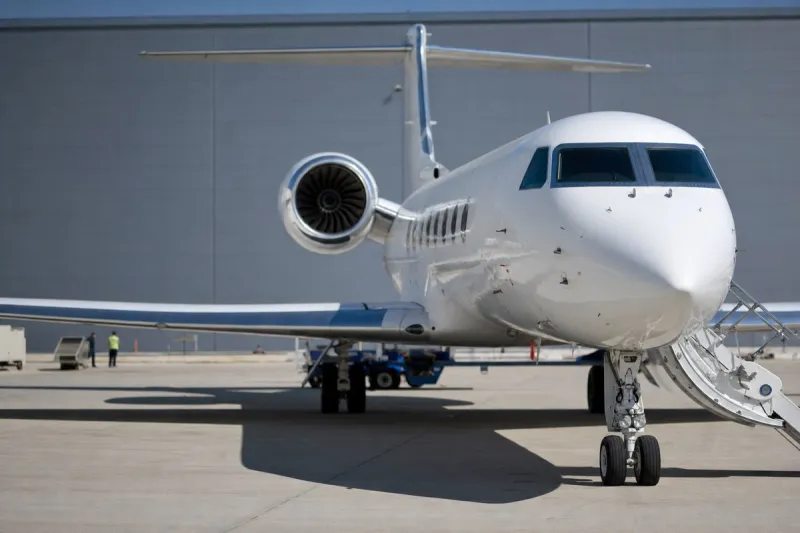
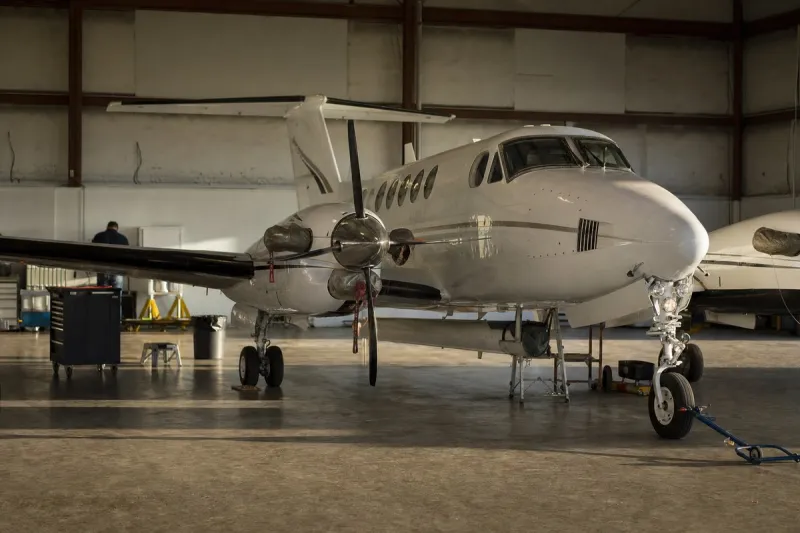
The mandatory retirement age sits at the center of the compensation structure this shortage created: raising it to 67 would keep senior, highly paid Captains flying longer and slow the movement of newer pilots up the seniority list, while leaving it at 65 continues feeding experienced widebody Captains into private aviation, simulator instruction, FAA examiner work and training-Captain roles at markedly lower pay than their airline peak.
Whether the FAA moves the retirement age to 67, and how the Air Line Pilots Association's opposition shapes any contract renegotiation that follows, will determine how long this seniority-driven pay structure keeps drawing pilots away from the military and from smaller carriers such as regional and cargo operators.