How Customs Clearance Works on Private Jet Flights
Why It MattersStandardized advance-notice and documentation procedures for private international flights support continued growth in customs-equipped FBO infrastructure and third-party clearance coordination services.
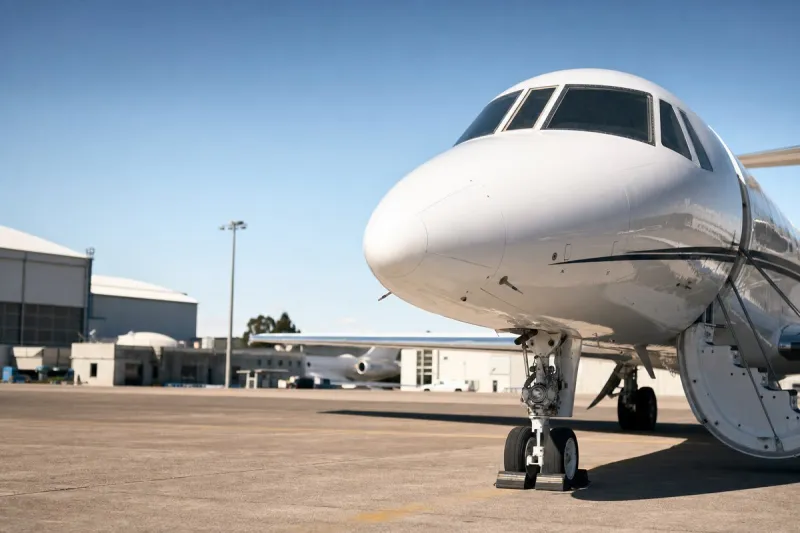
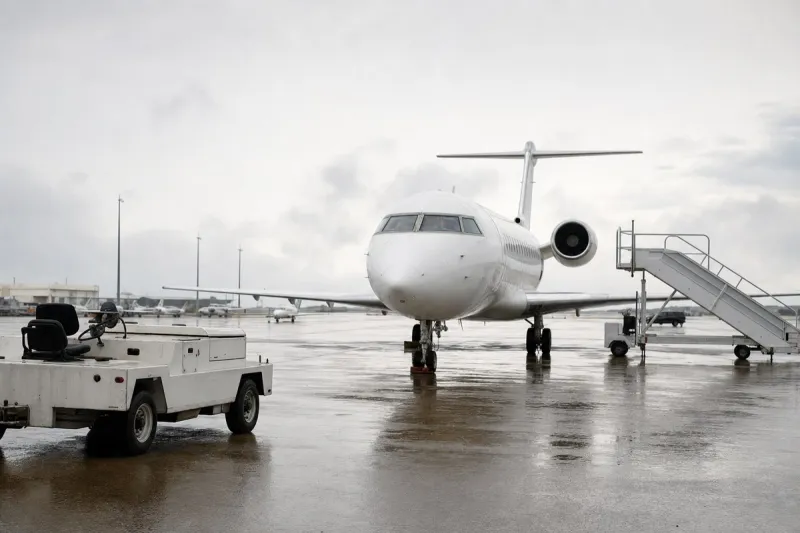
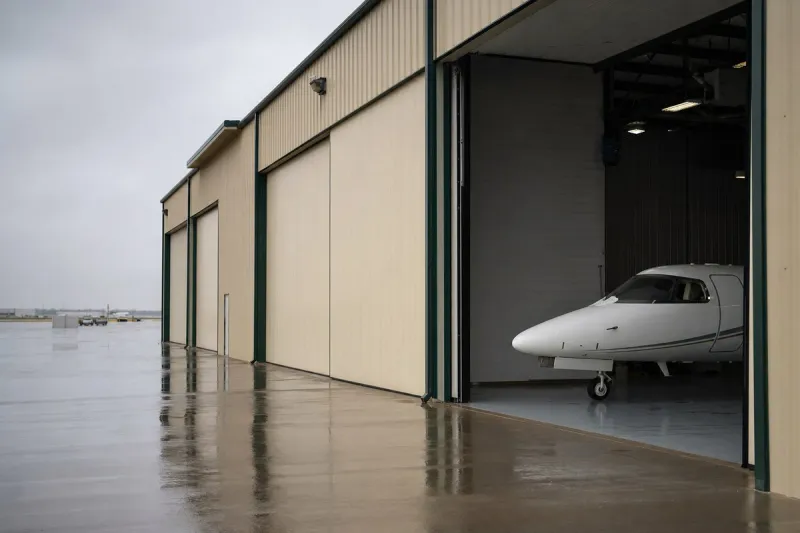
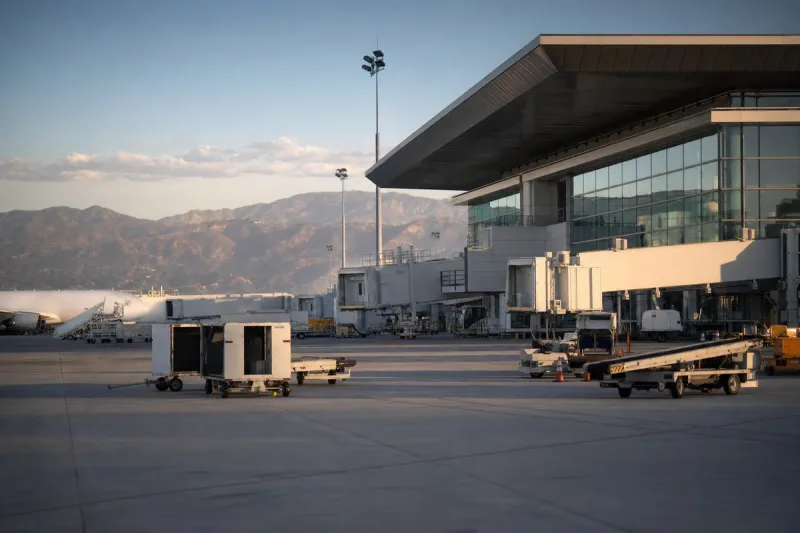
Private jet travelers crossing international borders must meet customs and immigration requirements, though the process differs from commercial airline procedures. Passengers on private aircraft typically clear customs at designated Fixed Base Operators or general aviation terminals rather than main commercial terminals, allowing for a more streamlined experience.
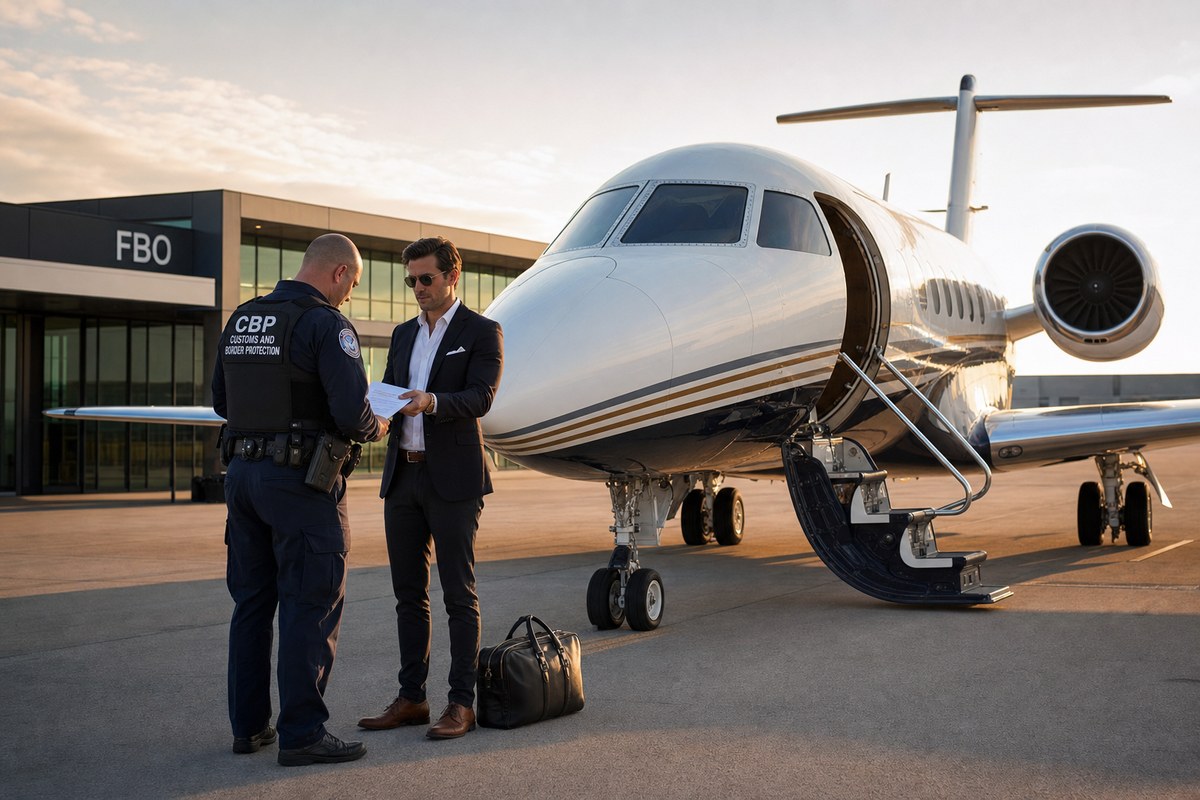
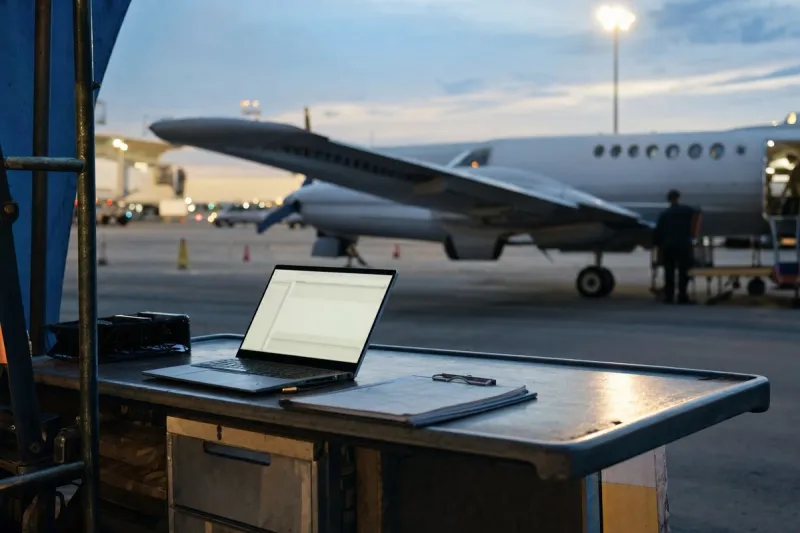
International private jet flights require advance notification to customs authorities, usually submitted by the flight crew or aircraft operator before departure, along with documentation such as valid passports, visas where applicable, customs declaration forms, and the aircraft's general declaration listing all persons on board. In the United States, private international arrivals must be reported to U.S. Customs and Border Protection, and the aircraft must land at a designated customs airport, with similar advance-notice rules applying in other jurisdictions; failure to comply can result in fines or delays.
Private jet operators and charter brokers commonly coordinate customs formalities on behalf of passengers, including filing notifications and arranging for customs officers to meet the aircraft on arrival, and some airports and FBOs offer dedicated customs facilities for private aviation traffic.