Near-Midair Encounters Offer Hard Lessons on Pilot Vigilance and Shared Responsibility
Why It MattersThe commentary underscores that general aviation safety still hinges on pilot scanning and discipline even as ADS-B adoption grows, since the technology carries transmission delays and gaps.
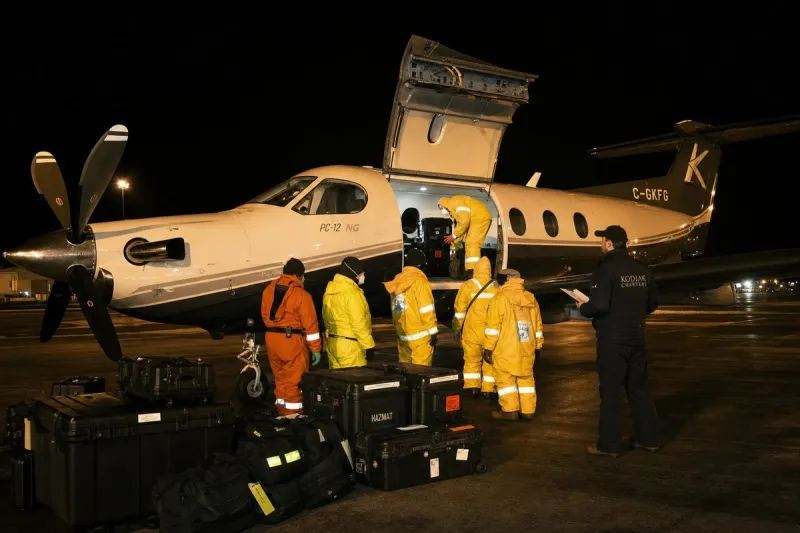
Near-midair encounters occupy a peculiar place in aviation: not common, but not rare either, with most experienced pilots able to recall a moment when another aircraft appeared far closer than preferred. General aviation relies largely on shared responsibility among pilots—seeing each other, communicating clearly, and maintaining situational awareness—unlike the tightly controlled corridors of airline or military operations, a dependence that is most tested at nontowered airports and during night flight.
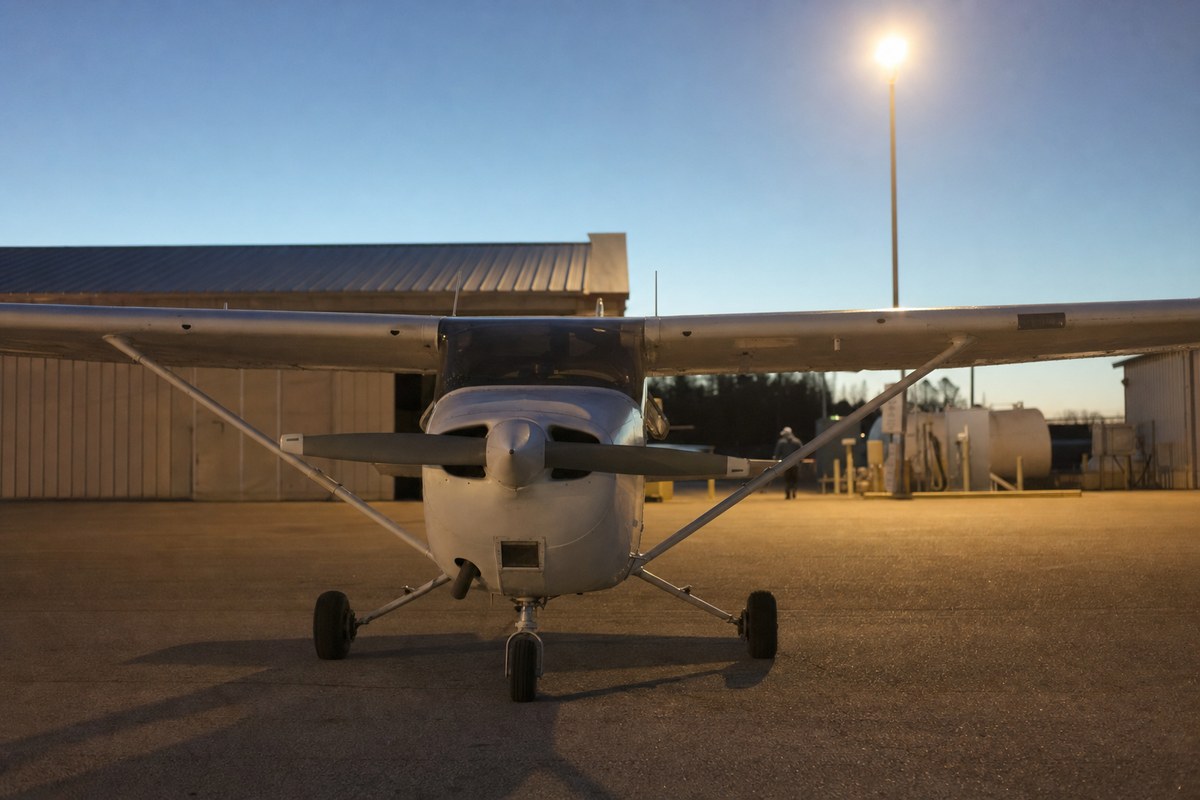
Modern technology such as ADS-B has improved situational awareness but carries limitations, including transmission delays, and does not replace a pilot's primary responsibility for visual scanning and the collision avoidance hierarchy. Resolving close calls successfully, often through training, reinforces the need for quick recognition, disciplined decision-making, and a balance between confidence and respect for aviation risks.
The commentary was written by John Barry, a retired U.S. Air Force major general, decorated combat pilot, 9/11 Pentagon survivor, chair of the Air Force Historical Foundation, and vice chair of the National Aviation Hall of Fame.