Aviation aftermarket faces decade-long supply crunch, says Acorn Capital Management CEO
Why It MattersAs teardown supply tightens and parts scarcity persists, aftermarket value is shifting toward distributors holding physical inventory and predictive data over brokers acting purely as intermediaries.
What happened
Rick Nagel, chief executive of Acorn Capital Management, told MRO Management that the aviation aftermarket is likely to stay constrained for years, framing the current supply pressure as a possible decade-long challenge instead of a short-term disruption. He pointed to four overlapping forces: skilled-labour shortages, diminishing parts supply, delayed new-aircraft deliveries and fleets staying in service longer because of those delays. In the United States, he estimates aerospace and defence employment is roughly 100,000 workers below required levels, with pandemic-era losses of experienced personnel proving especially hard to replace. "You might need two people to make up for the one that you lost," he said. "You've lost so much experience and tribal knowledge."
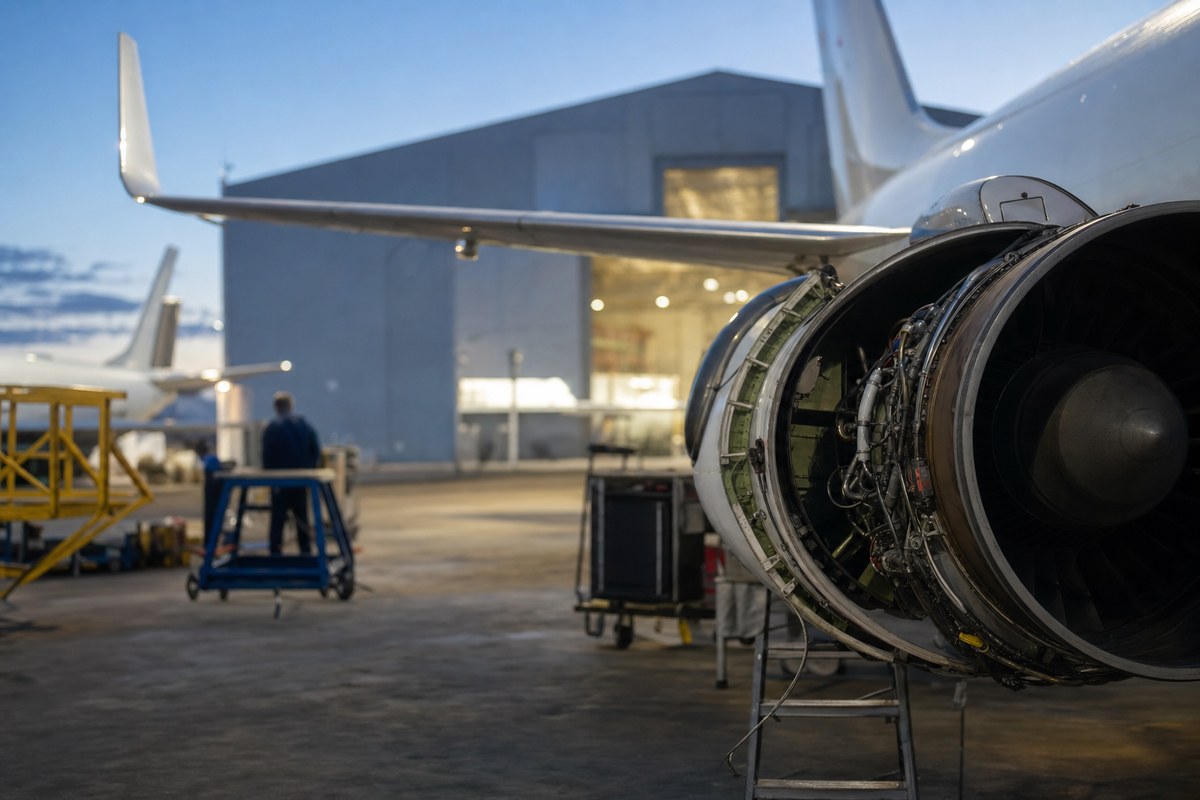
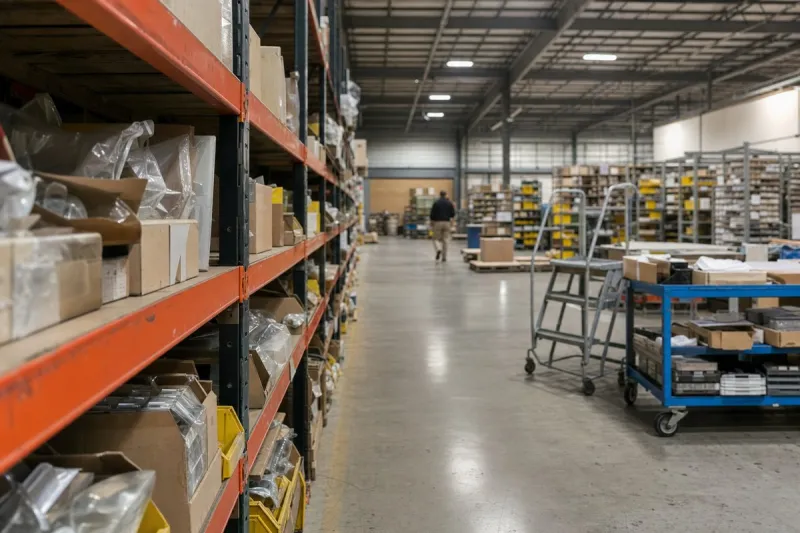
Nagel said the shortage of used serviceable material is adding to the strain, since airlines cannot retire ageing aircraft while replacement deliveries are delayed, which has pushed teardown activity to a low rate. "Aircraft teardowns are at a low rate because airlines desperately need the planes they've got," he said. He described a scenario in which an aircraft costing up to $100,000 a day sits grounded while awaiting a $10,000 part, saying "the guy with the supply wins," and noted that customers are increasingly going directly to distributors that hold physical inventory instead of using broker intermediaries.
Nagel said Acorn Capital's portfolio company Sentry Aerospares uses 20 years of supply-chain and demand data combined with artificial intelligence to predict component requirements one to two years ahead, calling this the "secret sauce" of the business. He said Acorn Capital's acquisition of AirStart extends this model into the regional aircraft segment and strengthens the group's presence in Canada, noting that regional fleets generate higher daily cycles that change which components need to be stocked and in what quantities, though the underlying business fundamentals stay the same. He added that early cross-selling between Sentry Aerospares and AirStart has already produced sales synergies. Looking further ahead, he said ageing commercial fleets will need increasingly specialised support as original supply chains disappear, drawing a parallel with military aviation, including the B-52 bomber, which left production in the 1960s but is expected to remain operational for decades more. He noted that for every dollar spent purchasing a new aircraft, operators typically spend eight to twelve dollars on maintenance, repair and overhaul over its service life.
Industry impact & what to watch
Nagel's account describes a supply chain under strain from several directions at once: fewer skilled workers, fewer retiring aircraft to tear down for parts, and delayed new deliveries keeping older fleets flying longer than planned. Each factor reinforces the others, so the squeeze does not resolve itself the way a single bottleneck might.
The aftermarket has historically relied on brokers to match buyers with scattered inventory, but Nagel's comment that customers are bypassing intermediaries for distributors holding physical stock points to a structural shift toward parties that control inventory directly and can predict demand ahead of need. Data-driven forecasting, like the one-to-two-year component predictions Nagel attributes to Sentry Aerospares, becomes a competitive advantage when parts scarcity turns availability into the deciding factor over price.
What happens next depends on how quickly new-aircraft delivery backlogs clear and whether teardown volumes recover as airlines eventually retire older jets. Nagel's own timeline points further out still: he expects ageing fleets to need increasingly specialised support as original supply chains for older types disappear entirely, a dynamic he likens to sustaining aircraft such as the B-52 decades after production ended.