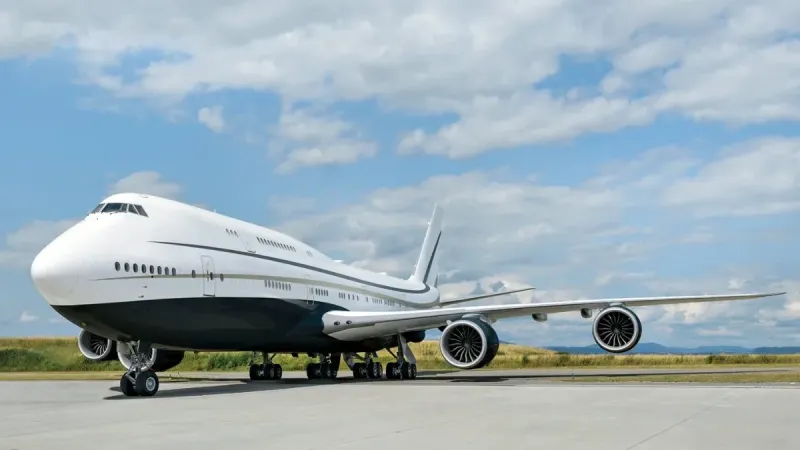
Airbus ACJ TwoTwenty: Extra-Large Business Jet Based on A220-100
Why It MattersThe extra-large cabin category is expanding with an airliner-derived jet whose steep-approach and autoland certification opens slot-constrained city airports typically closed to comparable large-cabin aircraft.
What happened
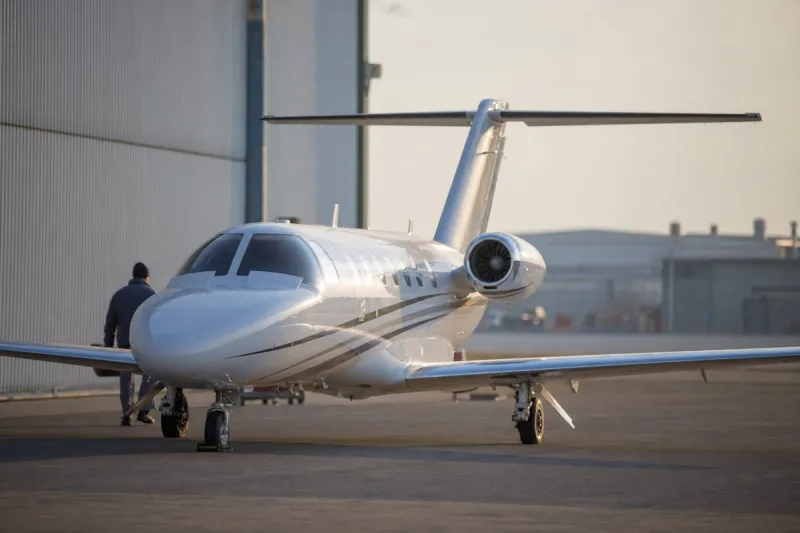
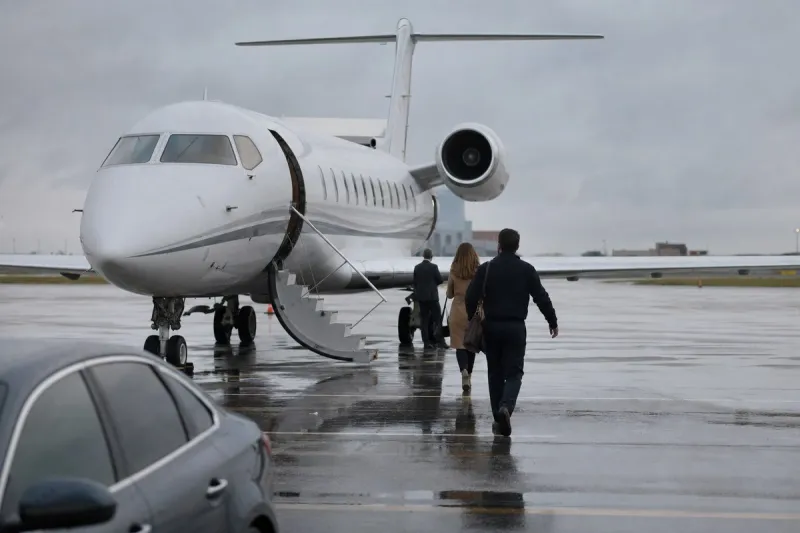
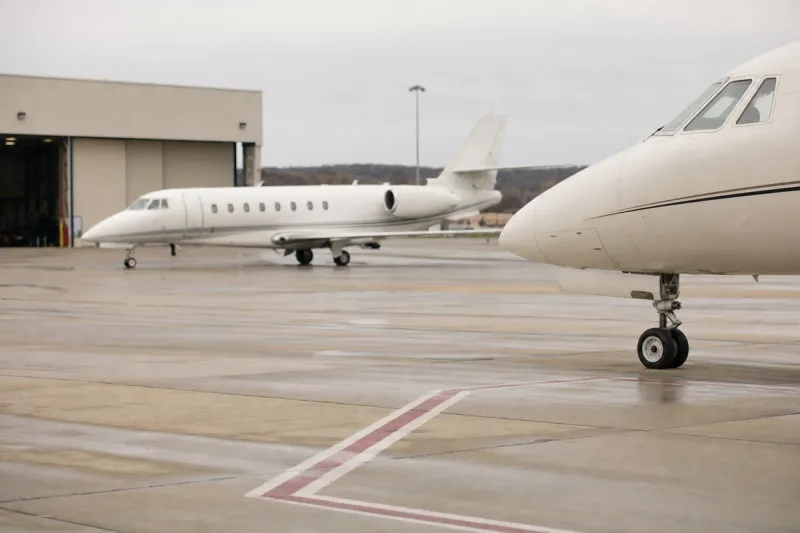
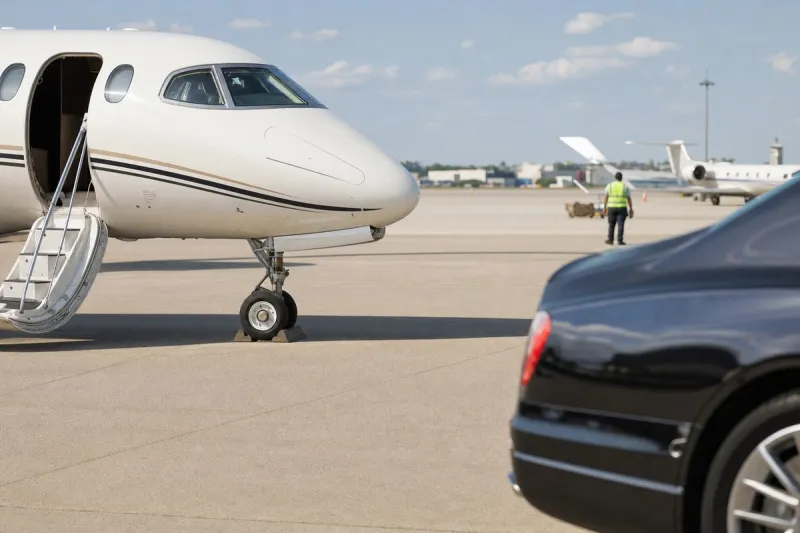
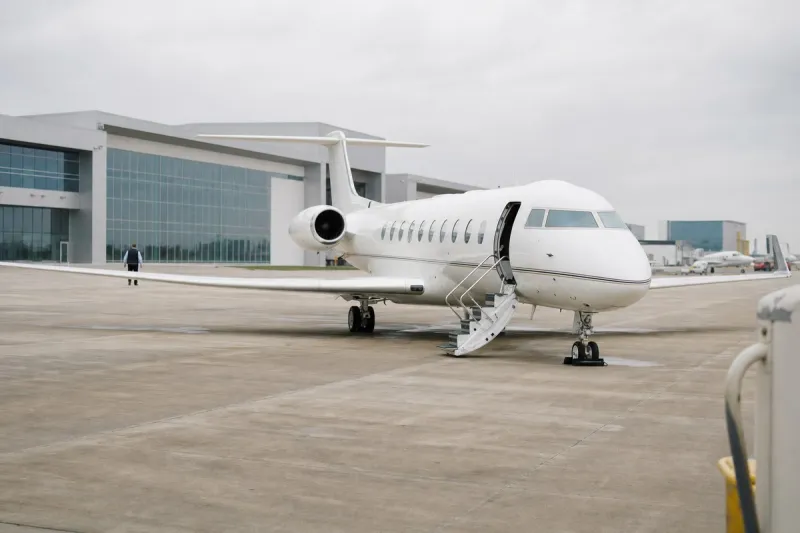
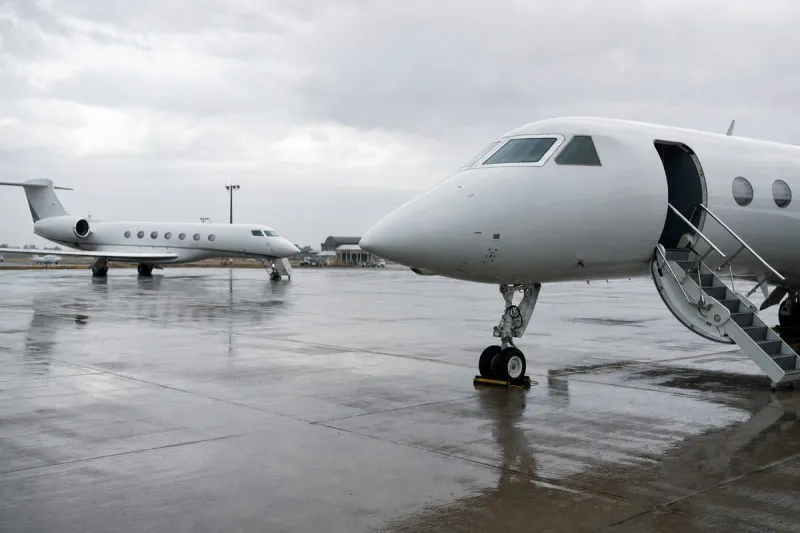
The ACJ TwoTwenty, a twin-engine business jet Airbus built on the A220-100 airliner, was announced on October 6, 2020, and first flew on December 14, 2021. Swiss-based Comlux is completing the first 15 interiors at its center in Indianapolis, Indiana. The first airframe, registered 9H-FIVE, was delivered to Five Hotels and Resorts on April 28, 2023, is based in Dubai, and is operated by Comlux. A second airframe, also operated by Comlux, was delivered on February 20, 2024, fitted with more seats, fold-out couch beds, media areas, leather seating, and a large rear bathroom with a shower.
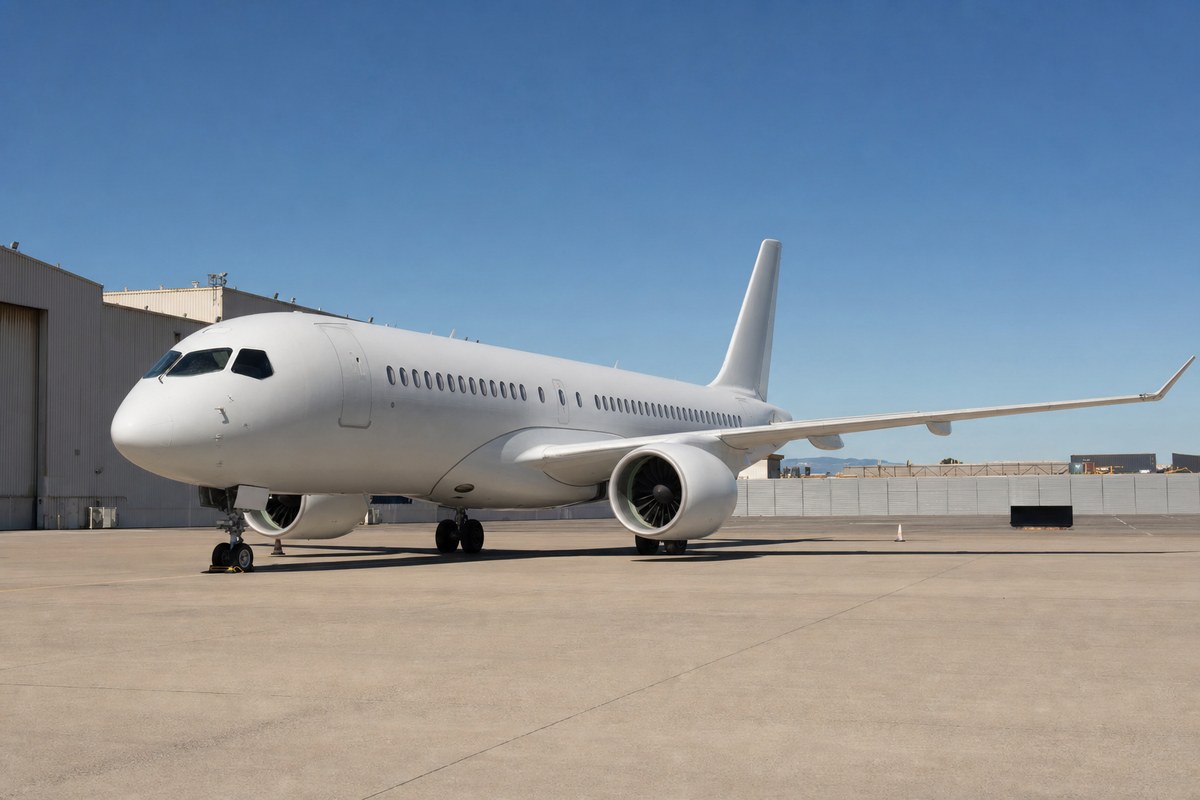
The cabin measures 78 ft. in length with 786 sq. ft. of floor area, split into six living areas of 130 sq. ft. each, and is accessed via integrated airstairs. Airbus and Comlux state it can seat up to 18 passengers, with up to three lavatories and a crew-rest area with full lie-flat seating. The flight deck uses Collins Aerospace's Pro Line Fusion system with five 15.1-inch LCD displays. The aircraft is certified for Category III autoland with decision heights below 100 ft. and runway visibility below 250 ft., and for steep-approach operations with glideslopes up to 5.5 degrees, enabling operations at airports such as London City Airport.
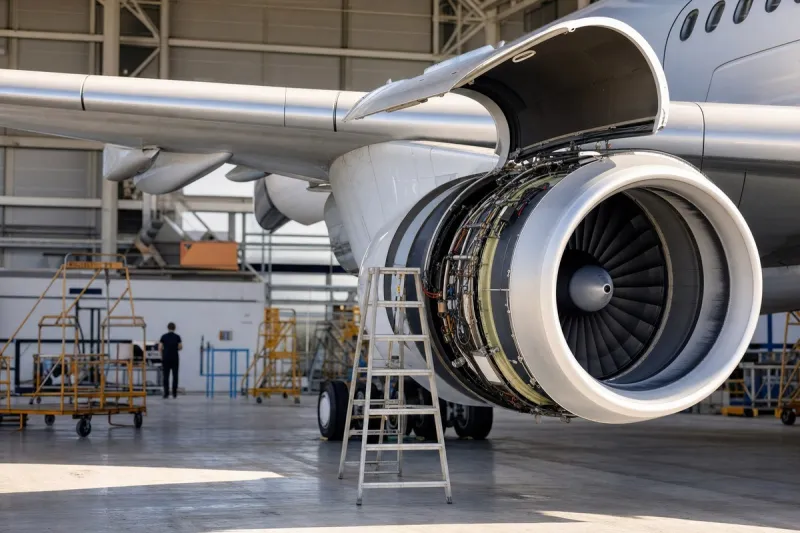
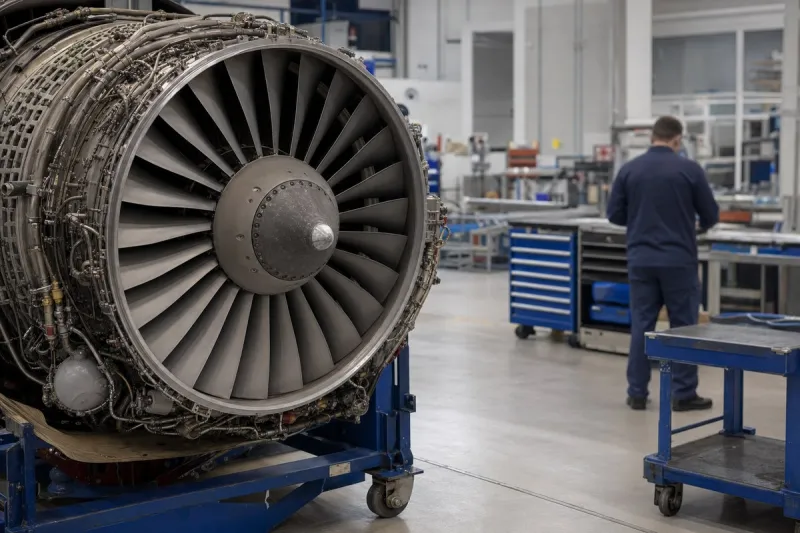
Two Pratt & Whitney PW1500G engines each produce up to 24,000 lbf. of thrust. Maximum takeoff weight is 140,500 lb., with the airframe also limited to 112,500 lb., and maximum fuel capacity is 7,550 gallons. Performance figures include a maximum operating Mach number of 0.82, a maximum operating altitude of 41,000 ft., a range of 5,650 nm with eight passengers at nominal performance, a maximum flight duration of 12 hours, and a balanced field length of 5,470 ft. at MTOW.
Industry impact & what to watch
This delivery pattern shows how an airliner platform gets repurposed into the extra-large business jet segment, where cabin volume and range are sold as the differentiator against purpose-built large-cabin competitors. Airbus and Comlux describe the cabin volume as double that of ultra-long-range types and three times that of large business jets, a comparison used to justify the category's premium pricing against smaller, longer-established designs.
The steep-approach and Category III autoland certification matters because it determines which airports an operator can actually use: London City Airport is named as an example of a slot- and approach-constrained field that this class of aircraft can now reach. That access, not cabin size alone, is what typically separates an extra-large jet from an airliner conversion in daily operational value.
Comlux's ongoing completion of the first 15 interiors in Indianapolis is the near-term marker to watch, since each subsequent delivery will show whether the configuration options seen on the second airframe — added seating, media areas, and lie-flat crew rest — become the standard corporate fit or remain customer-specific variants.