Iran and Oman Outline Temporary Strait of Hormuz Shipping Corridor as US Launches Sweeping Iran Sanctions
Why It MattersAny restructuring of Strait of Hormuz transit routes alongside expanded US aviation and shipping sanctions could reshape regional flight and vessel routing risk calculations.
Iran and Oman have outlined a joint proposal for a temporary shipping corridor through the Strait of Hormuz along with a demining effort, following weeks of negotiations between Tehran and Muscat. A joint statement from both foreign ministries described a phased framework, with talks to continue toward a permanent corridor and long-term administration of the strait. Omani Foreign Minister Badr Al Busaidi said he was hopeful both nations would soon announce a temporary corridor, with future management and a permanent solution to follow.
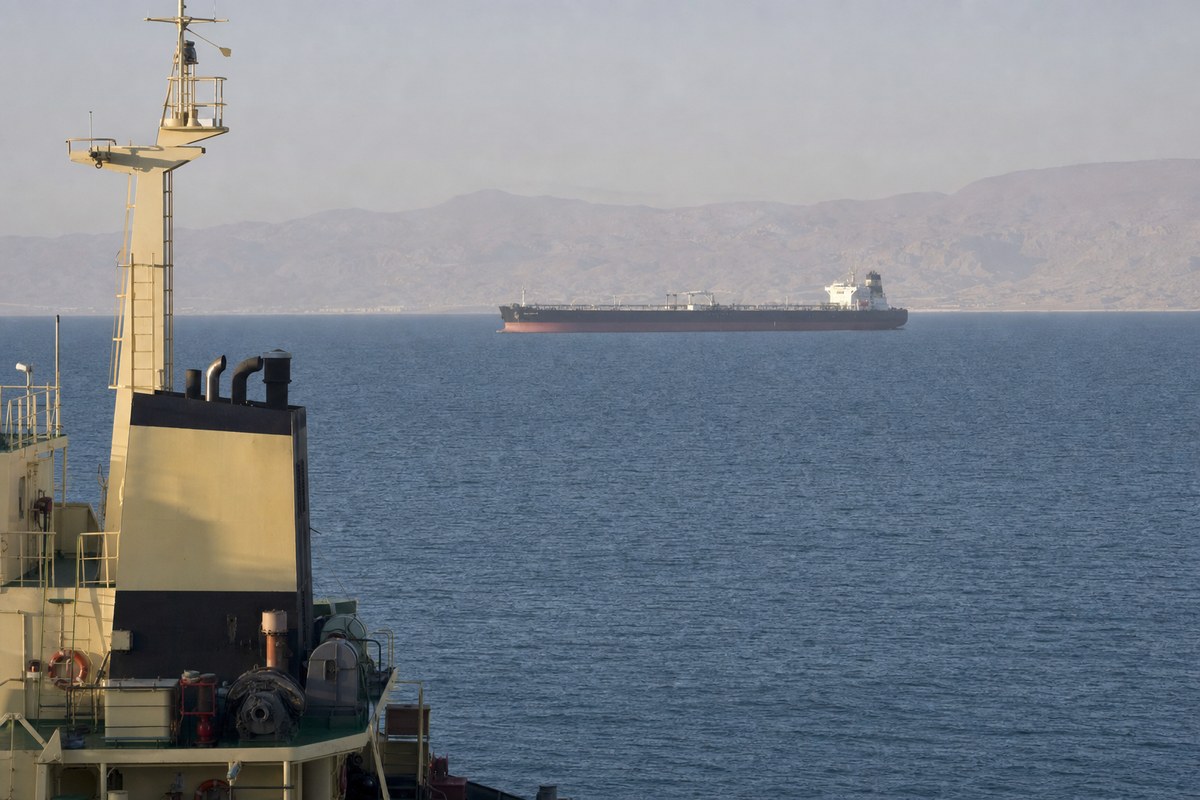
Iran's Deputy Foreign Minister Kazem Gharibabadi said the still-unfinalized deal would close the existing UN-authorized southern shipping route along the Omani coastline, a route Iran opposes, with vessels instead passing through Iranian waters in both directions; the Omani statement did not mention this closure. Qatar's Prime Minister Sheikh Mohammed bin Abdulrahman bin Jassim Al-Thani discussed the proposed corridor by phone with Iranian Foreign Minister Abbas Araghchi, after Qatar had previously voiced support for the Iran-Oman effort. US President Donald Trump said all mines in the strait have been removed or detonated and threatened to destroy any vessel attempting to place new ones, while it remains unclear whether the US, which considers the strait international waters, would accept the proposed route; Trump had earlier threatened to attack Oman if it interfered with US operations there.
Separately, the US launched a sanctions campaign called Operation Economic Outcast, with Treasury Secretary Scott Bessent saying the measures aim to sever every economic lifeline sustaining the Iranian government. The Treasury's Office of Foreign Assets Control sanctioned more than 60 entities, individuals and vessels accused of helping Iran procure nuclear and missile technology, conduct cyber operations and generate oil revenue, targeting digital assets, technology, gold, aviation and shipping. China's Foreign Ministry spokesperson Lin Jian said the measures would intensify tensions and conflicts and vowed China would take all necessary measures to protect its interests, while Iran's parliamentary speaker Mohammad Bagher Ghalibaf said the US would fail in its economic campaign and Iran said it is fully prepared to counter the sanctions. The US is also threatening secondary sanctions on countries that refuse to cut economic ties with Iran, though it has not yet imposed major new penalties on third-party nations, with China, which buys most of Iran's oil exports, seen as central to whether the campaign succeeds.