US Autonomous Aviation Advances as Regulation Races to Catch Technology
Why It MattersAs regulators shift oversight from individual remote pilots to operating organizations and certified data-service providers, market entry increasingly depends on institutional certification rather than pilot licensing alone.
What happened
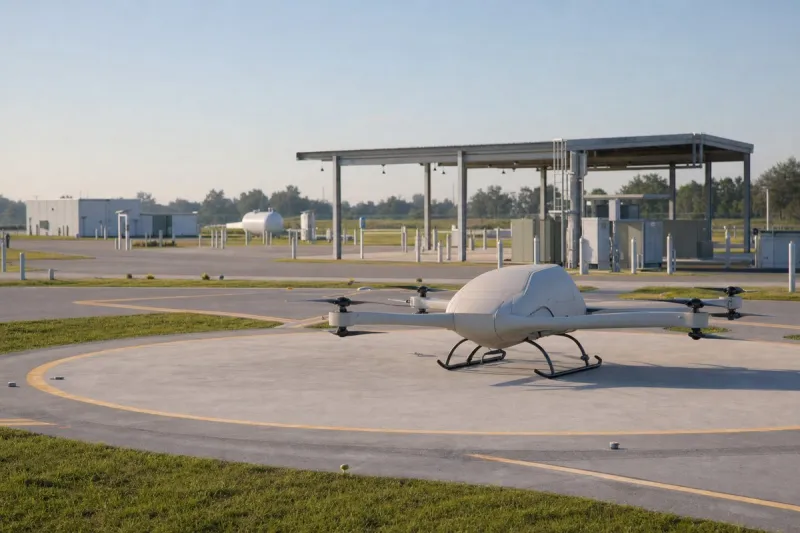
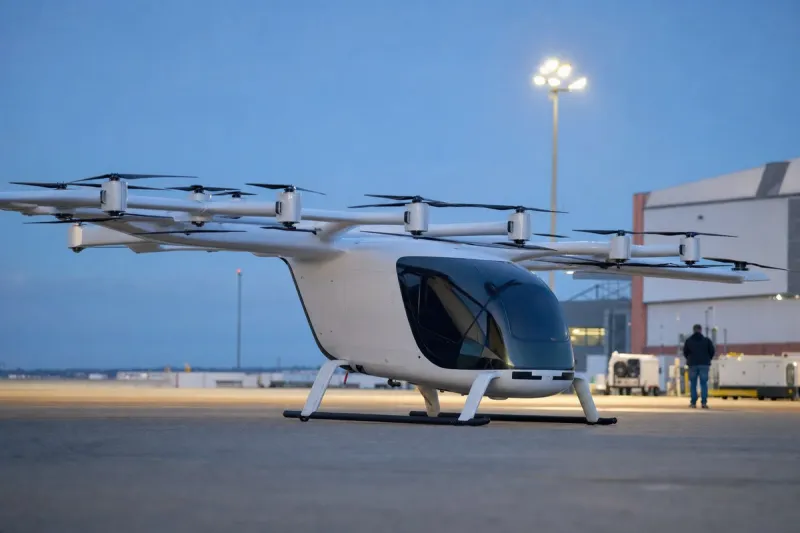
President Trump signed Executive Order 14307, titled "Unleashing American Drone Dominance," directing the FAA to assemble the regulatory, operational, and safety components needed for broader commercial autonomous aviation domestically and abroad. A direct result of that order is the Electric Vertical Takeoff and Landing and Advanced Air Mobility Integration Pilot Program (eIPP), run jointly by the FAA and the Department of Transportation in cooperation with state and local entities.

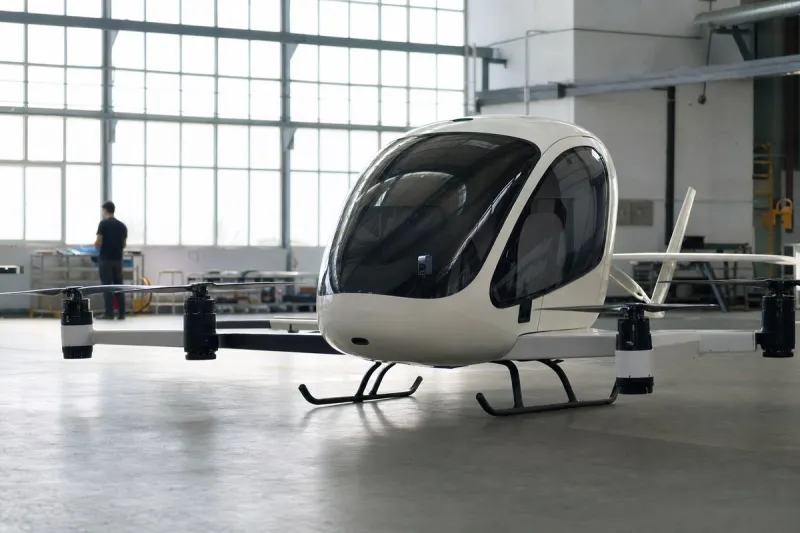
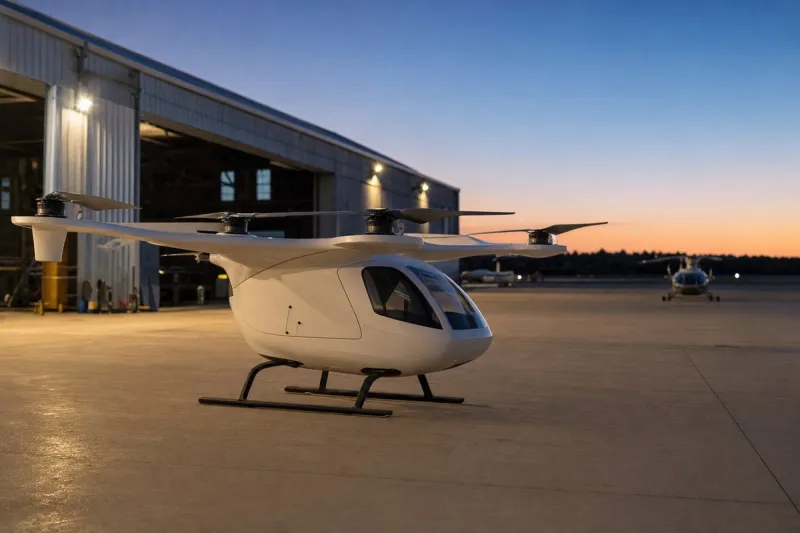
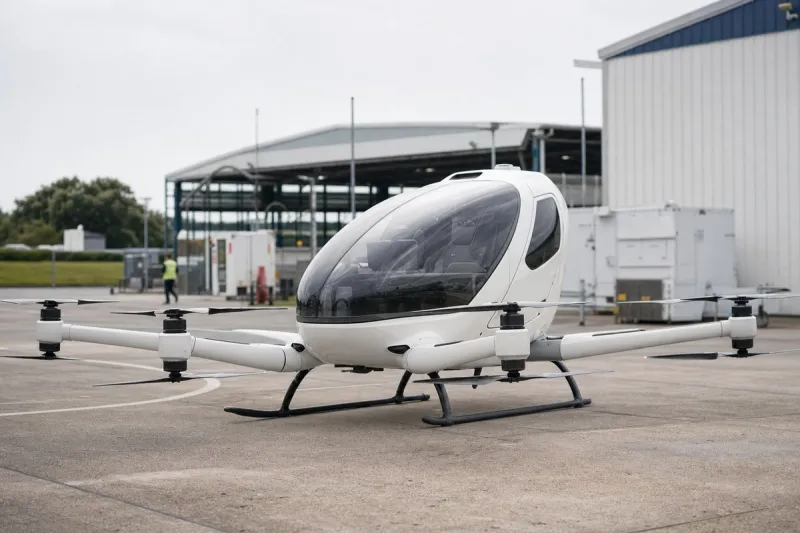
The eIPP creates testing environments for next-generation autonomous and semi-autonomous aircraft and covers six commercial categories: urban air taxi services, regional passenger transportation, cargo and logistics networks, emergency medical response, autonomous flight technologies, and offshore and energy-sector transportation. It builds on earlier legislation, including the 2022 Advanced Air Mobility Coordination and Leadership Act and the FAA Reauthorization Act of 2024, both focused on safety, security, investment, and integration of advanced air mobility into the National Airspace System.
The FAA has proposed 14 C.F.R. Part 108, which would enable commercial beyond visual line of sight drone operations by shifting operational responsibility from individual remote pilots to operating organizations. A companion proposal, 14 C.F.R. Part 146, would create a certification path for automated data service providers responsible for strategic and tactical deconfliction, flight monitoring, weather data, and collision avoidance below traditionally controlled airspace. Companies named in the sector include Wing, Zipline, Reliable Robotics, Merlin Labs, Beta Technologies, Joby Aviation, Archer Aviation, Electra Aero, Wisk Aero, Ampaire, and Elroy Air, and Embraer has developed an Enhanced Takeoff System for cargo operations. Industry associations including the Commercial Drone Alliance, National Business Aviation Association, Association for Uncrewed Vehicle Systems International, and DRONERESPONDERS are pressing for rapid regulatory adaptation.
Industry impact & what to watch
This is a case of policy sequencing rather than a single rule change: an executive order creates the mandate, a pilot program creates the testing ground, and two proposed rules attempt to convert that testing into a certification pathway that shifts accountability from individual remote pilots to organizations and to newly defined automated data service providers. That shift matters because it changes who a regulator holds responsible when something goes wrong — a company or an ADSP rather than a single licensed pilot.
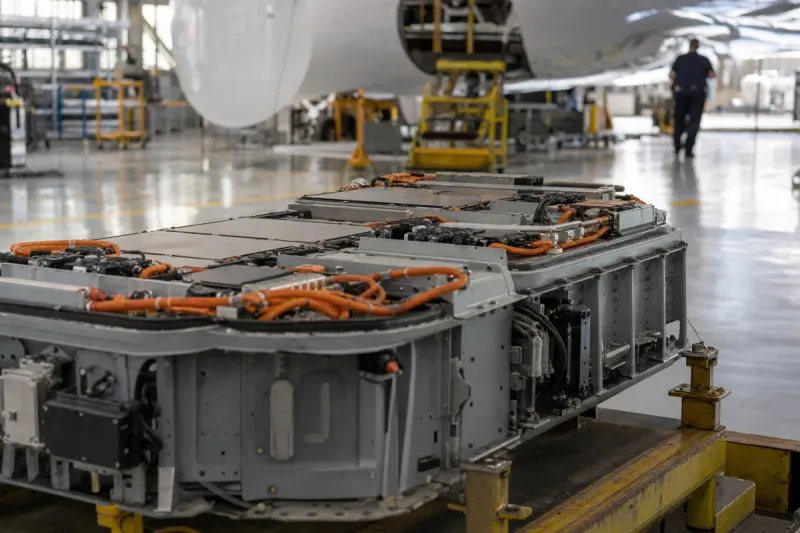
Advanced air mobility and drone logistics operate on layered dependencies: aircraft certification, airspace deconfliction services, and liability coverage all need to mature together before commercial services can scale beyond pilot programs. Battery limits on eVTOL flight time and payload, the absence of lightweight detect-and-avoid systems on small drones, and vulnerability to GPS jamming and spoofing are the technical constraints regulators and operators are working against as they build out these six eIPP categories.
What happens with Part 108 and Part 146 as they move through rulemaking will determine how quickly organizations rather than individual pilots can operate BVLOS commercially, and how insurance and liability frameworks adjust to responsibility distributed among software developers, hardware manufacturers, remote operators, system stewards, and data service providers.