Rolls-Royce Patents Hydrogen Fuel System for Gas Turbine Engine, Targets Small and Mid-Size Aircraft by Mid-2030s
Why It MattersHydrogen combustion in gas turbines is emerging as a shorter-haul solution, with SAF holding the near-term advantage on long-range routes where storage volume is not a constraint.
What happened
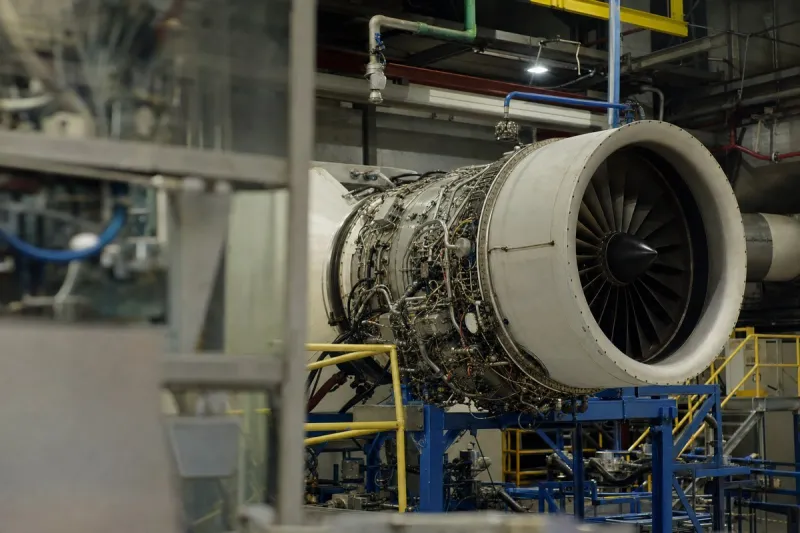
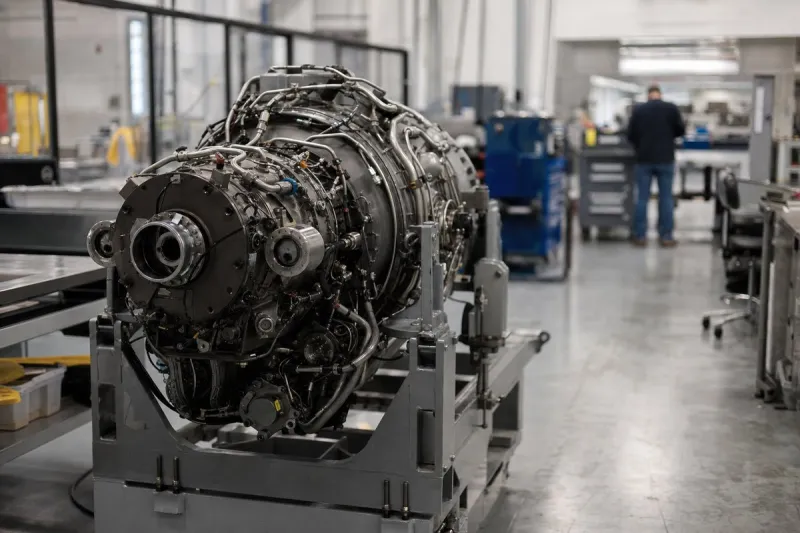
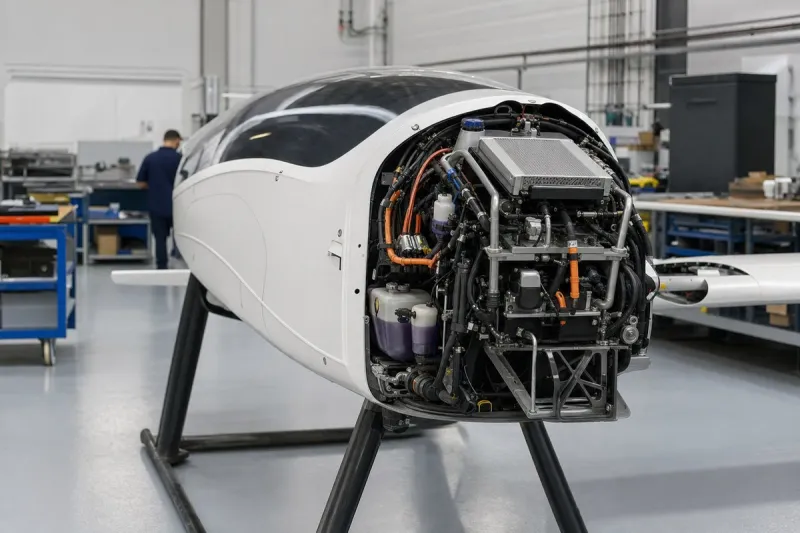
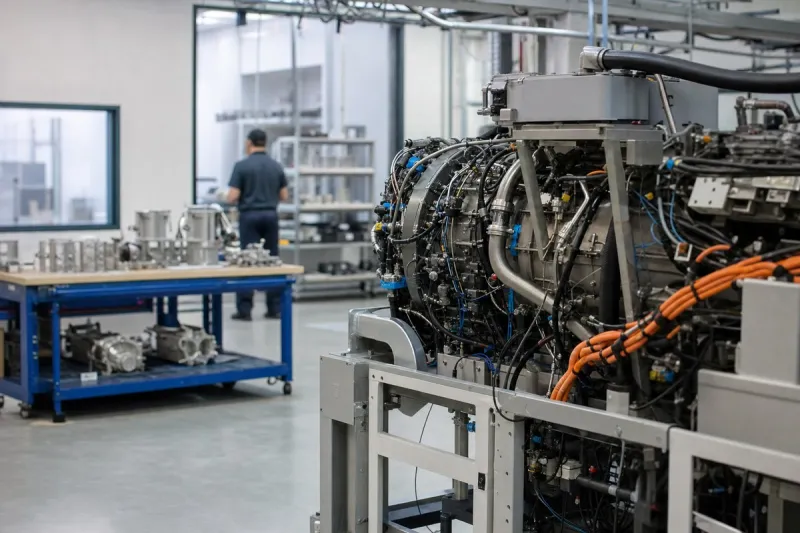
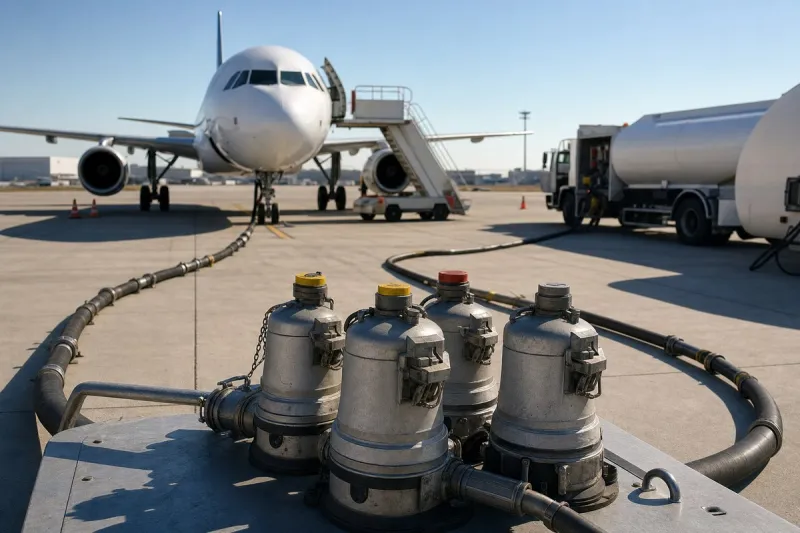
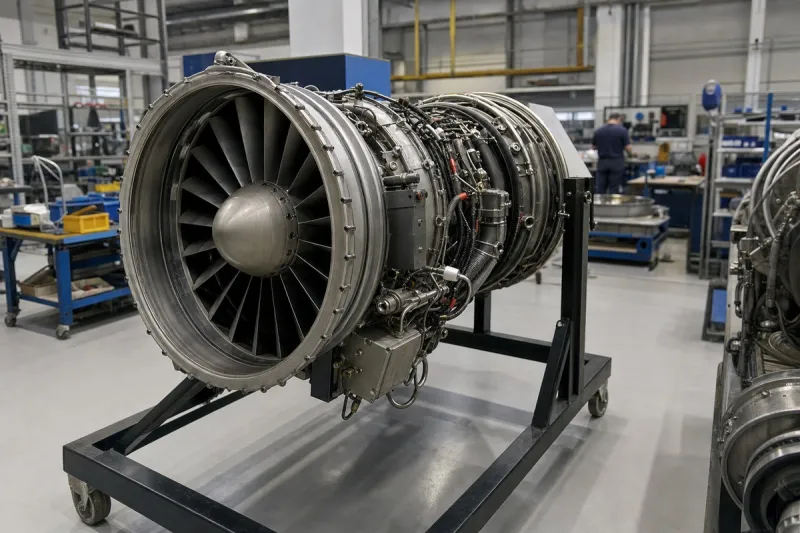
Rolls-Royce has filed a patent for a hydrogen fuel delivery system built for gas turbine engines. The design uses a main fuel conduit with a fuel pump to supply pressurised hydrogen to a core combustor, paired with an auxiliary combustor that burns a portion of the hydrogen to pre-heat the remainder before it enters the engine. The system is intended to address the -253°C storage temperature of liquid hydrogen, a property that otherwise requires heavily insulated tanks taking up significantly more space than conventional jet fuel storage.
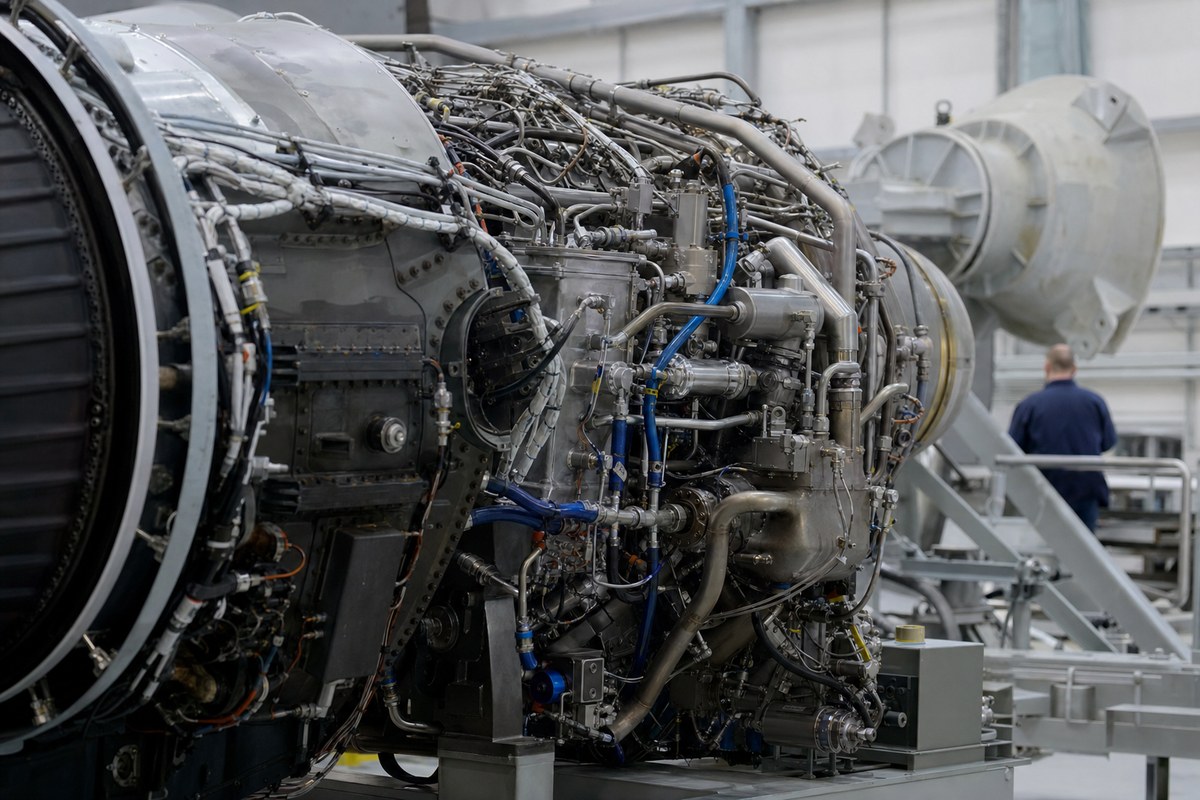
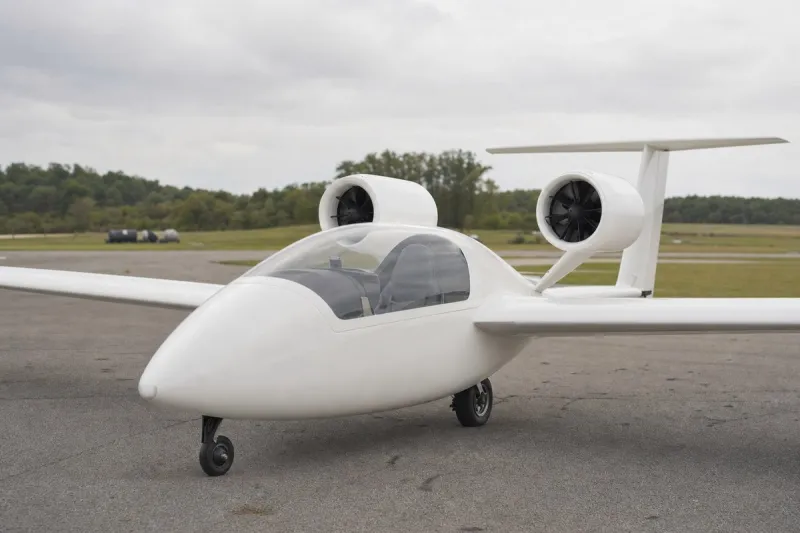
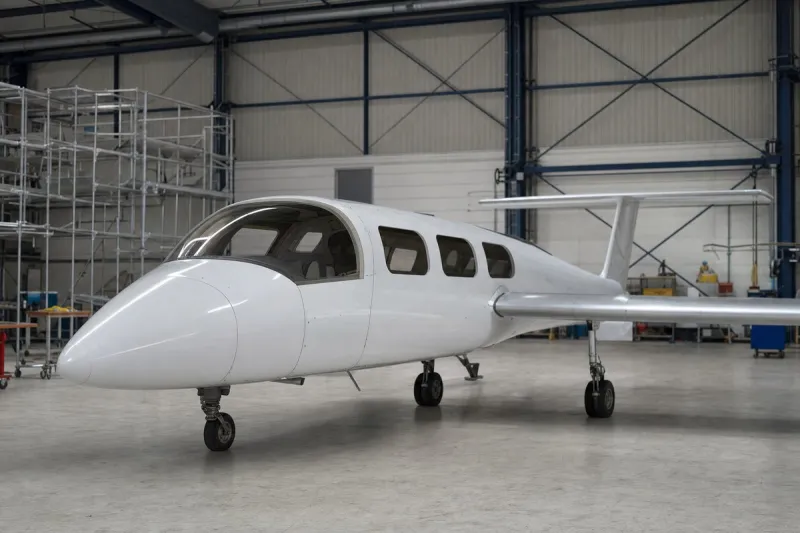
Rolls-Royce says it aims to have a hydrogen-fuelled gas turbine engine ready to power small and mid-size aircraft from the mid-2030s onwards. It expects a global fleet of 30-40 seat aircraft to be introduced around that timeframe, with lighter aircraft potentially arriving before the end of the decade. The company has been exploring hydrogen-powered concepts for approximately two decades and says it is on the cusp of beginning full-scale ground testing of a hydrogen gas turbine.
The EU's Horizon Europe project is funding Rolls-Royce's hydrogen combustion research, covering engineers, scientists and specialist test equipment. Rolls-Royce is also participating in the EU's Clean Aviation initiative and the CAVENDISH project, the Consortium for the AdVent of aero-Engine Demonstration and aircraft Integration Strategy with Hydrogen. Airbus has delayed its ZEROe hydrogen airliner programme, which had originally targeted a 2035 entry into service, and has cancelled planned hydrogen engine tests that were to use an Airbus A380 as a testbed; the ZEROe project was launched in 2020. ZeroAvia is targeting entry into service with its ZA600 system for 10-20 passenger regional aircraft by mid-2026, and its ZA2000 system for 40-90 passenger turboprops by 2027. The UK Civil Aviation Authority has said it will expand its Hydrogen Challenge initiative, which funds aviation decarbonisation solutions.
Industry impact & what to watch
Hydrogen propulsion is settling into a segmented picture by aircraft size and route length. Rolls-Royce itself says combustion in gas turbines is likely to stay confined to shorter-haul flying because of the volume that hydrogen storage demands, while sustainable aviation fuel keeps the edge for long-range widebody routes where tank space cannot be sacrificed.
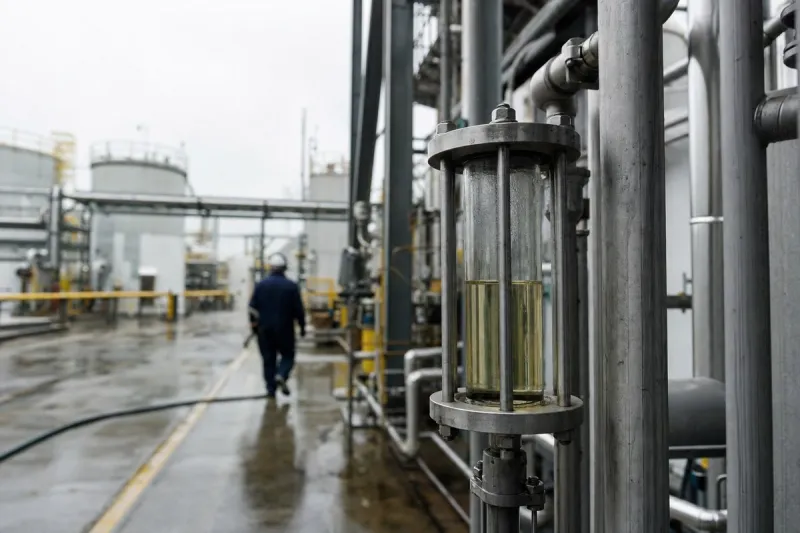
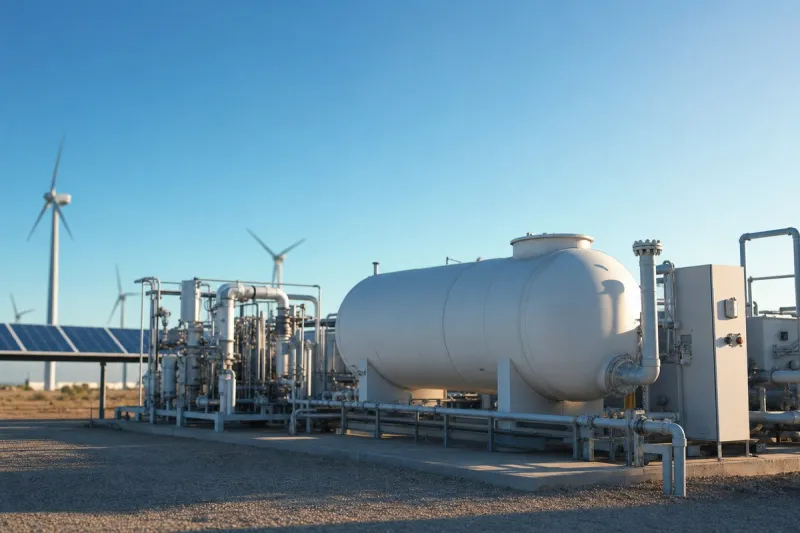
The economics still hinge on how hydrogen is produced. Most hydrogen in use today comes from coal and gas, and only renewably produced hydrogen is carbon neutral; the International Energy Agency projects green hydrogen could reach $1.50-2 per kg by 2035, a level that would make it cost-competitive with jet fuel, but only with a substantial buildout of production infrastructure that has not yet happened.
Airbus's delay to ZEROe and the cancellation of its A380 hydrogen testbed programme show how a well-funded widebody effort can slip even as smaller-aircraft work continues. The next markers to watch are Rolls-Royce's move into full-scale ground testing, ZeroAvia's stated mid-2026 target for its ZA600 system, and whether green hydrogen production actually scales toward the IEA's projected cost band.