Electric Aircraft Battery Fires: Why Extinguishing Flames May Not End the Emergency
Why It MattersAirport emergency response built around jet-fuel fires must add sustained battery cooling and thermal monitoring as electric aircraft enter service.
What happened
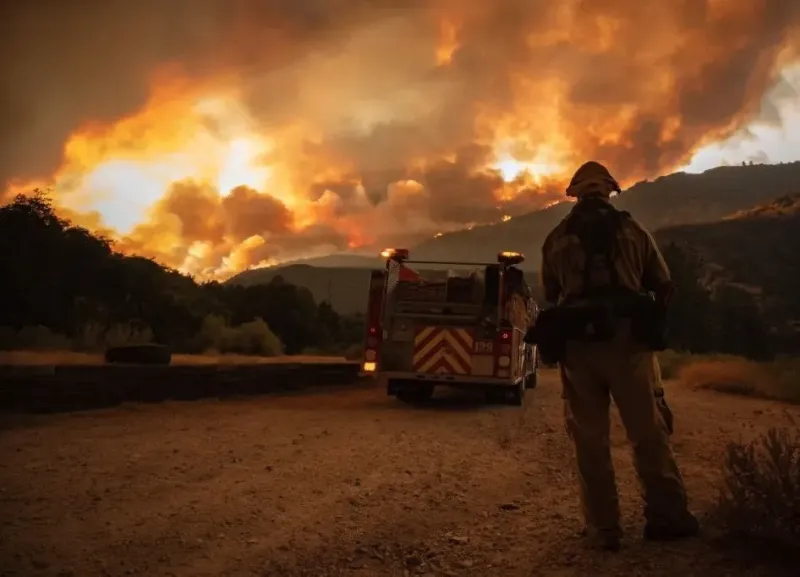
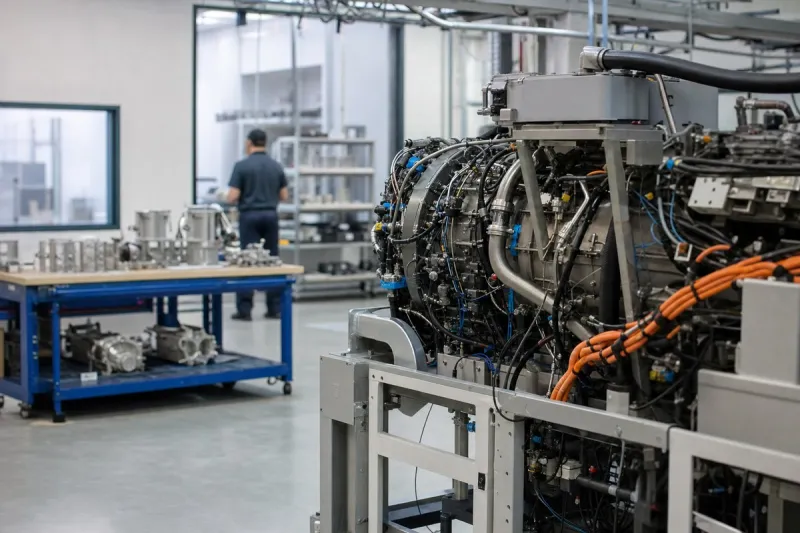
The Federal Aviation Administration has confirmed through large-scale testing that suppression systems can knock down visible flames on lithium-ion propulsion batteries but do not necessarily stop thermal runaway or prevent the failure from spreading cell to cell. Damaged batteries kept producing flammable gases, including hydrogen and hydrocarbons, creating fire and explosion hazards at the same time.
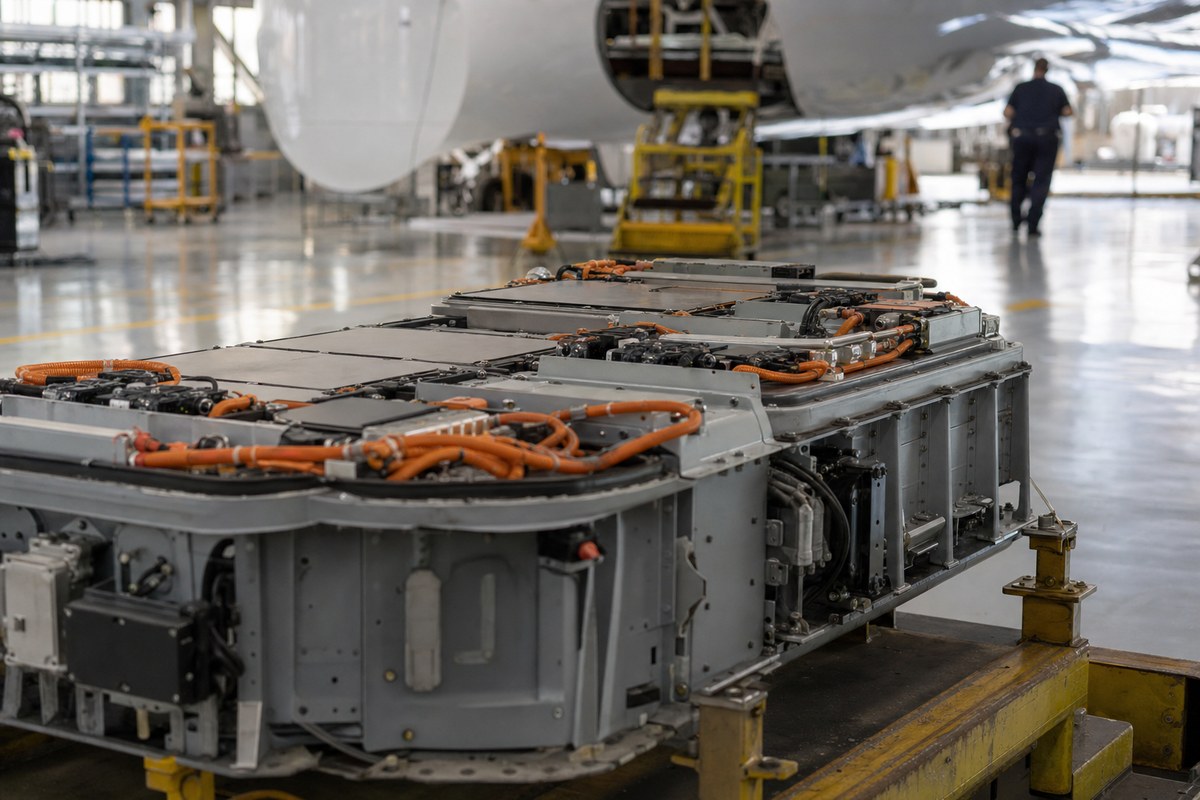
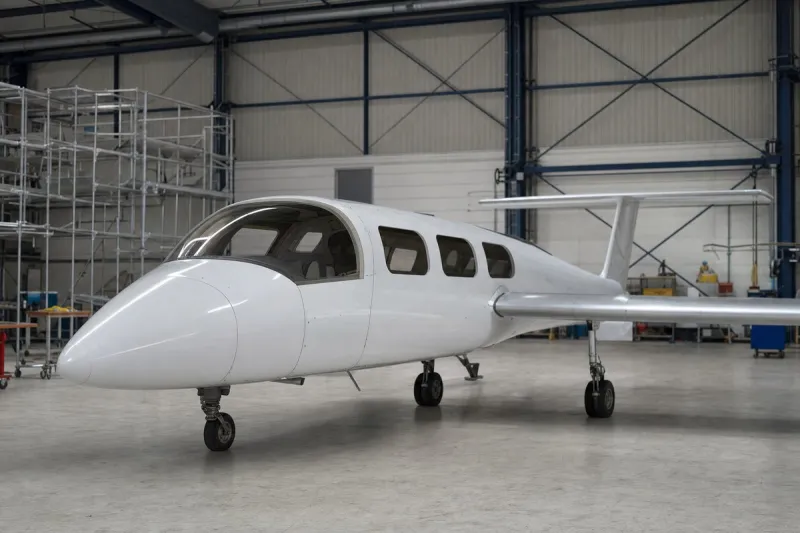
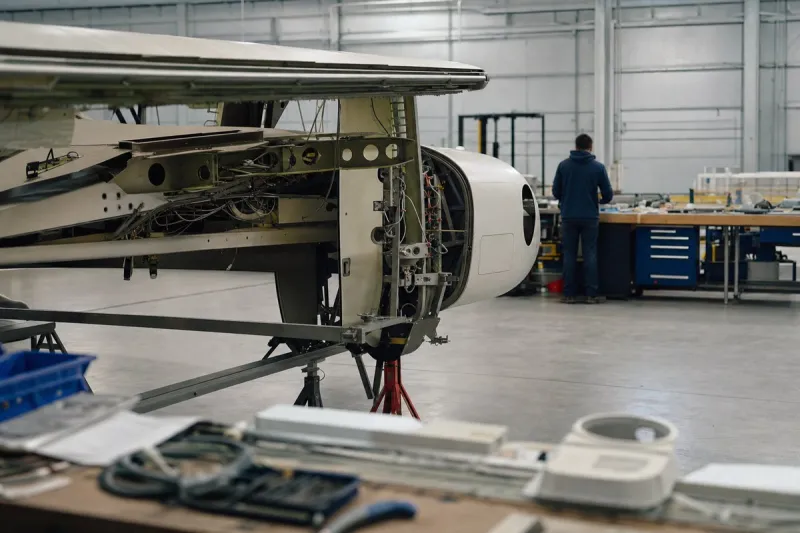
FAA research identifies water as an effective cooling agent because it transfers heat away from lithium-ion cells quickly. Propulsion batteries weighing hundreds of kilograms are often built deep inside the aircraft structure, so firefighters may be applying water to an outer enclosure while thermal runaway continues inside. FAA guidance states that active flames must be extinguished and cooling must then continue to stop additional cells from igniting, so a fire being out does not mean the incident is over.
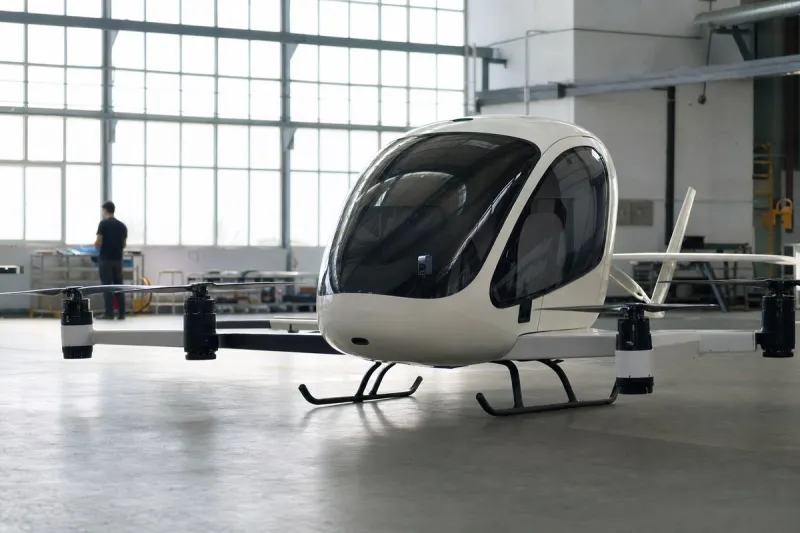
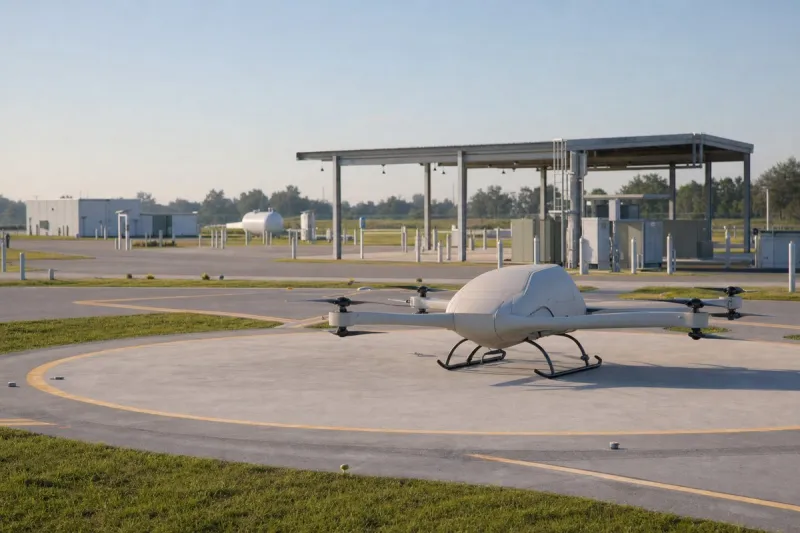
The European Union Aviation Safety Agency has introduced the concept of an Explosive Fire Zone around propulsion batteries in its eVTOL certification guidance, and its framework acknowledges that extinguishing a lithium-ion propulsion battery fire directly may be impractical, requiring designs to contain the consequences of thermal runaway, including controlled overboard venting. For eVTOL aircraft, distributed battery modules positioned throughout an airframe could create several separate high-energy fire zones in a single accident, each potentially at a different stage of failure. The International Civil Aviation Organization has warned that aerodrome emergency plans and rescue-and-firefighting procedures must be reviewed when electric aircraft are introduced, and has flagged additional risks tied to battery storage, transportation and charging near operational areas.
Industry impact & what to watch
Electric propulsion moves the fire hazard from an external fuel spill into a sealed energy source that keeps generating heat on its own, and that changes what a fire crew's job actually is: cooling and monitoring a structure, not just dousing flames. The distributed battery layout planned for eVTOL aircraft multiplies that problem, since a single accident could present several fire zones at different stages of failure rather than one contained source.
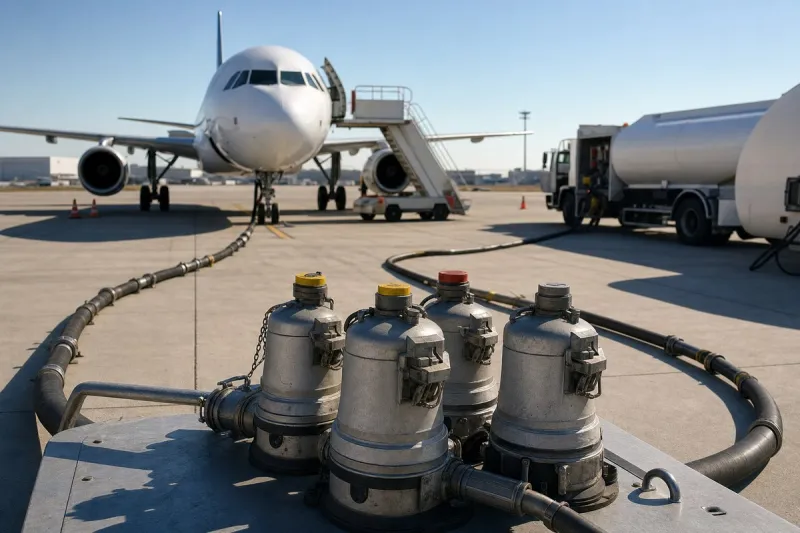
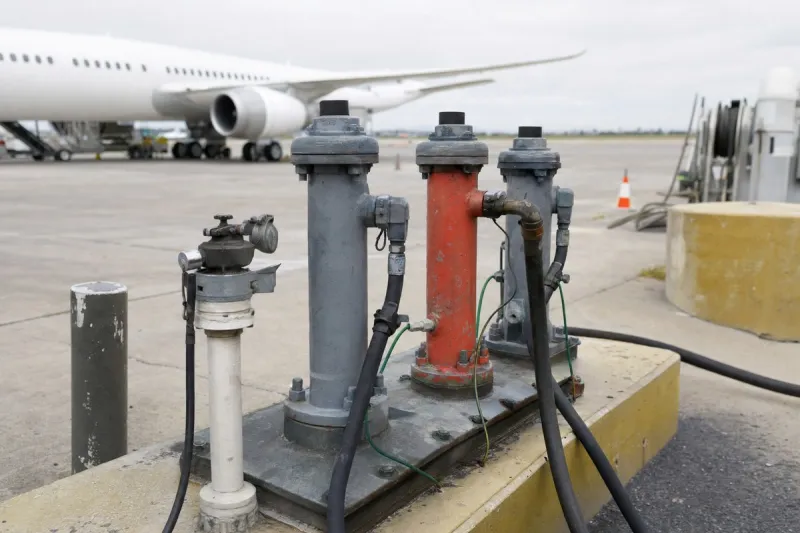
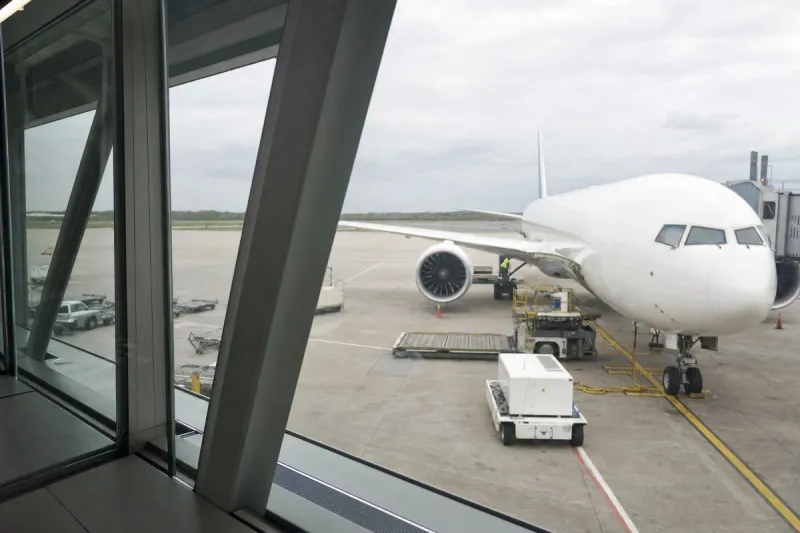
Airport and aerodrome emergency planning has traditionally been built around jet-fuel behavior, where flame knockdown effectively ends the hazard. ICAO's call to review aerodrome emergency plans and rescue-and-firefighting procedures signals that this assumption no longer holds once electric aircraft are based, charged or transiting through an airfield, and the charging environment itself adds exposure by linking the aircraft, battery, charger and electrical supply into one scene.
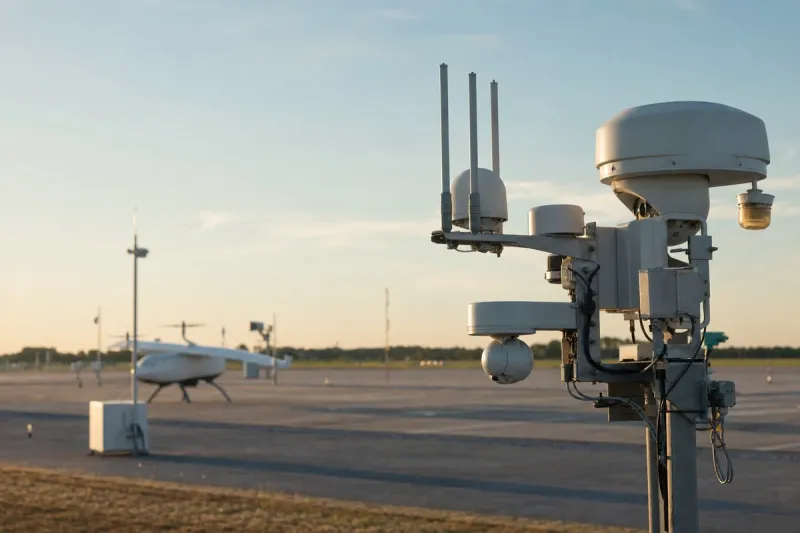
What happens next depends on how EASA's Explosive Fire Zone concept and containment requirements, including controlled overboard venting, get carried into actual airframe designs now reaching certification, and on how quickly thermal imaging and sustained temperature monitoring become standard equipment at airports handling electric aircraft.