Venezuela's Maiquetía Airport to Resume Flights from September 1 Using Temporary Terminals After June Earthquakes
Why It MattersReopening a damaged gateway airport on temporary terminals shows how quickly national air links can be restored after a disaster, even before permanent infrastructure is rebuilt.
What happened
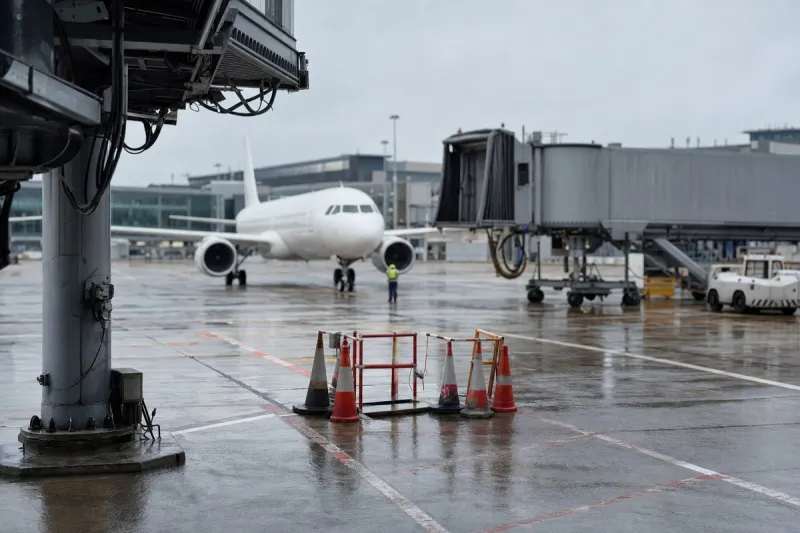
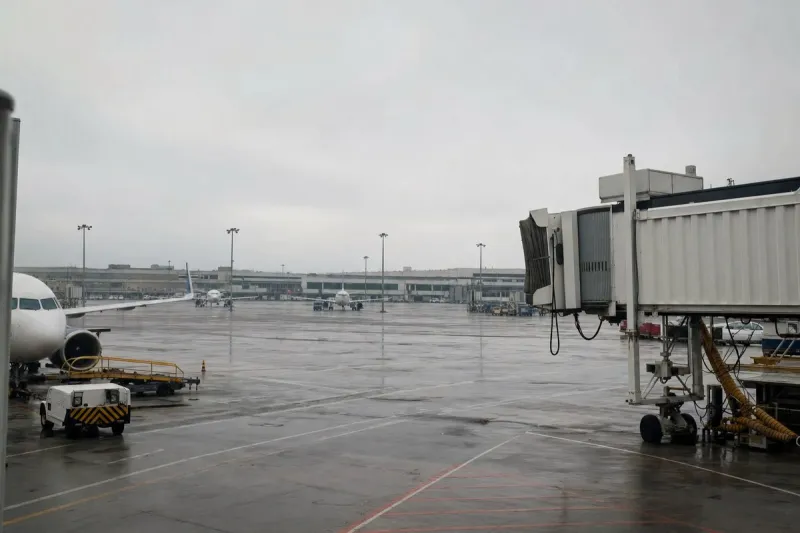
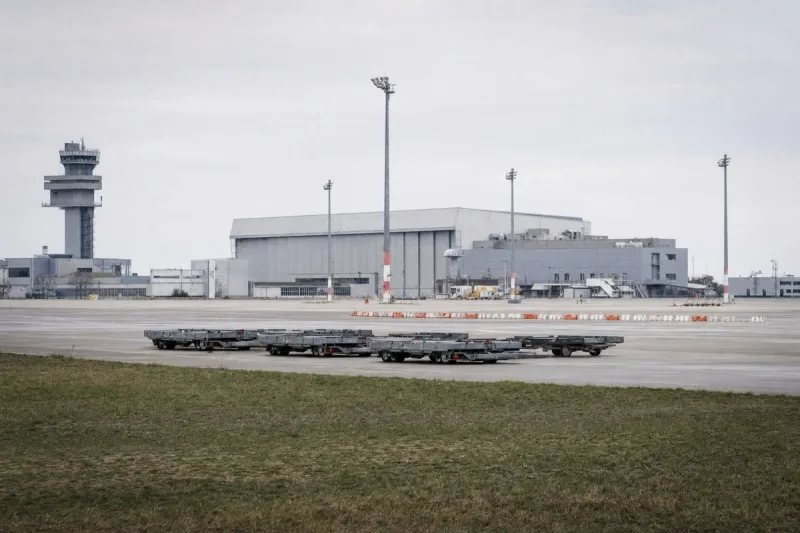
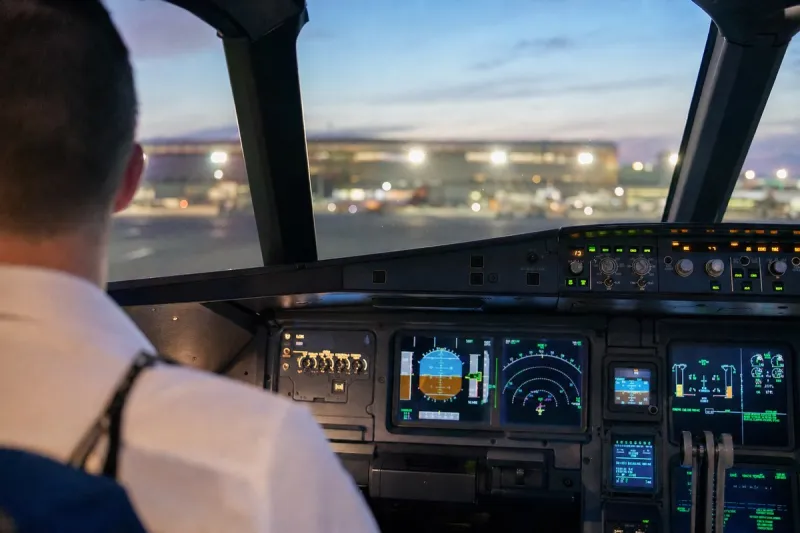
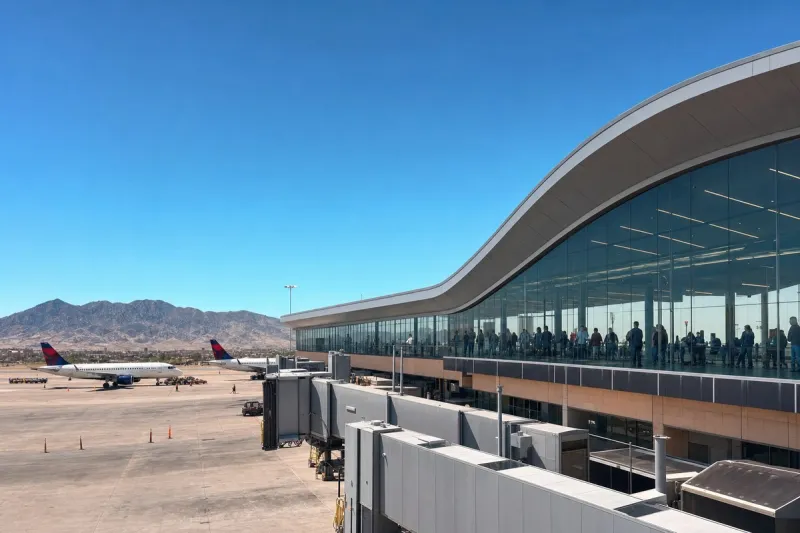
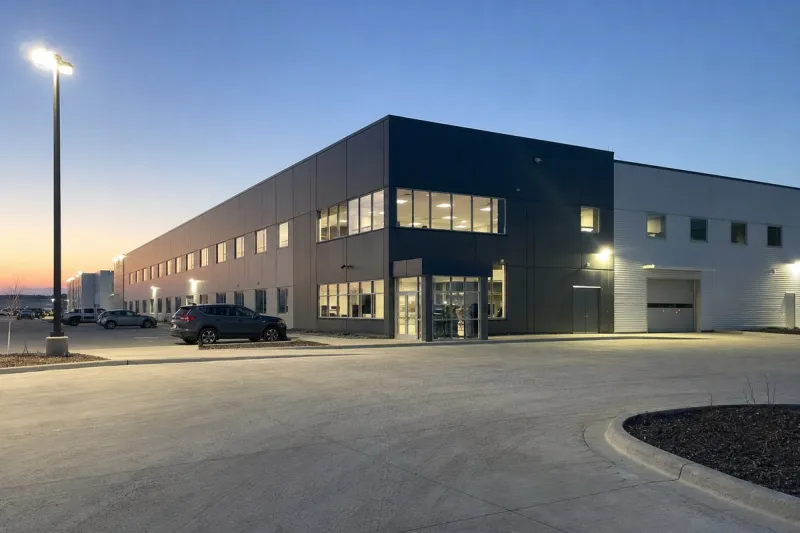
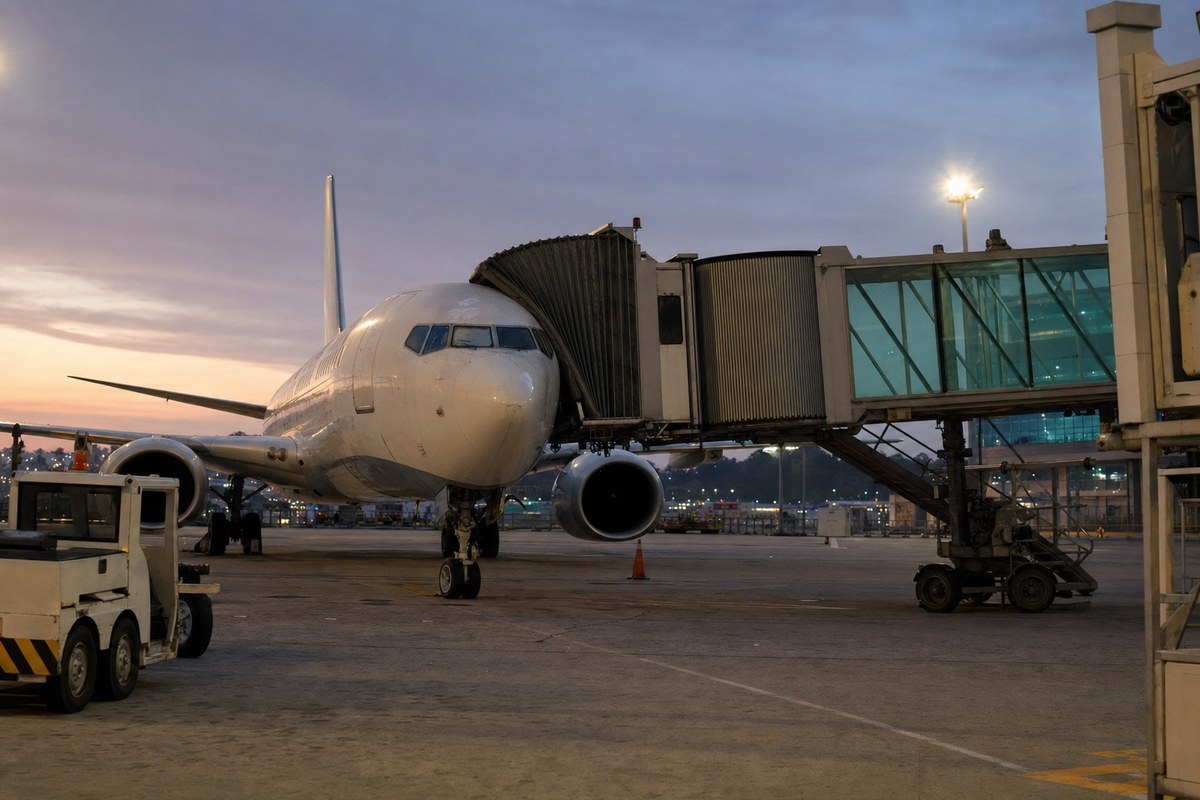
Simón Bolívar International Airport in Maiquetía, Venezuela's main air gateway, will officially resume national and international flight operations on September 1, 2026, using provisional terminals built after the airport was severely damaged by a double earthquake in late June. The airport confirmed that separate temporary terminals have been set up for domestic and international flights.
The airport described the reconstruction as carried out "under high standards of quality and the latest technologies." Authorities urged passengers to contact their airlines directly to confirm rescheduled flights and to determine which temporary terminal to use.
The June double earthquake, with magnitudes exceeding 7.0, struck the coastal state of La Guaira, the area most severely affected, leaving at least 6,509 people dead. The damage to the airport's infrastructure was extensive enough that acting Venezuelan President Delcy Rodríguez ordered its temporary closure. In its statement, the airport called the reopening "more than an infrastructure" milestone, describing it as "a profound reconnection with the world" and "the reunion of families."
Industry impact & what to watch
A gateway airport returning to service on temporary terminals after a major structural failure illustrates how national air access can be restored in stages, separating the resumption of flights from the completion of permanent rebuilding. Passenger-facing capacity, not runway or navigation infrastructure, is often the first constraint to fix, since terminals can be replaced provisionally while airfield operations resume.
For airlines and passengers, the practical bottleneck becomes coordination: knowing which terminal serves which type of flight, and whether schedules match pre-earthquake routings. The airport's own guidance, that passengers must confirm directly with airlines, signals that schedules and terminal assignments are still being finalized rather than fully standardized.
What happens next depends on how airlines rebuild their schedules into the reopened facility and how quickly permanent terminal reconstruction follows the provisional setup.