GPS Spoofing in Aviation Surged 193% Between 2023 and 2025, IATA Data Shows
Why It MattersAs spoofing shifts from obvious jumps to gradual drift, cross-checking navigation sources becomes a routine cockpit task rather than an exceptional response to conflict zones.
What happened
GPS spoofing incidents affecting aircraft rose 193% between 2023 and 2025, according to IATA's 2025 Annual Safety Report. GPS jamming, which blocks satellite signals entirely, rose 67% over the same period.
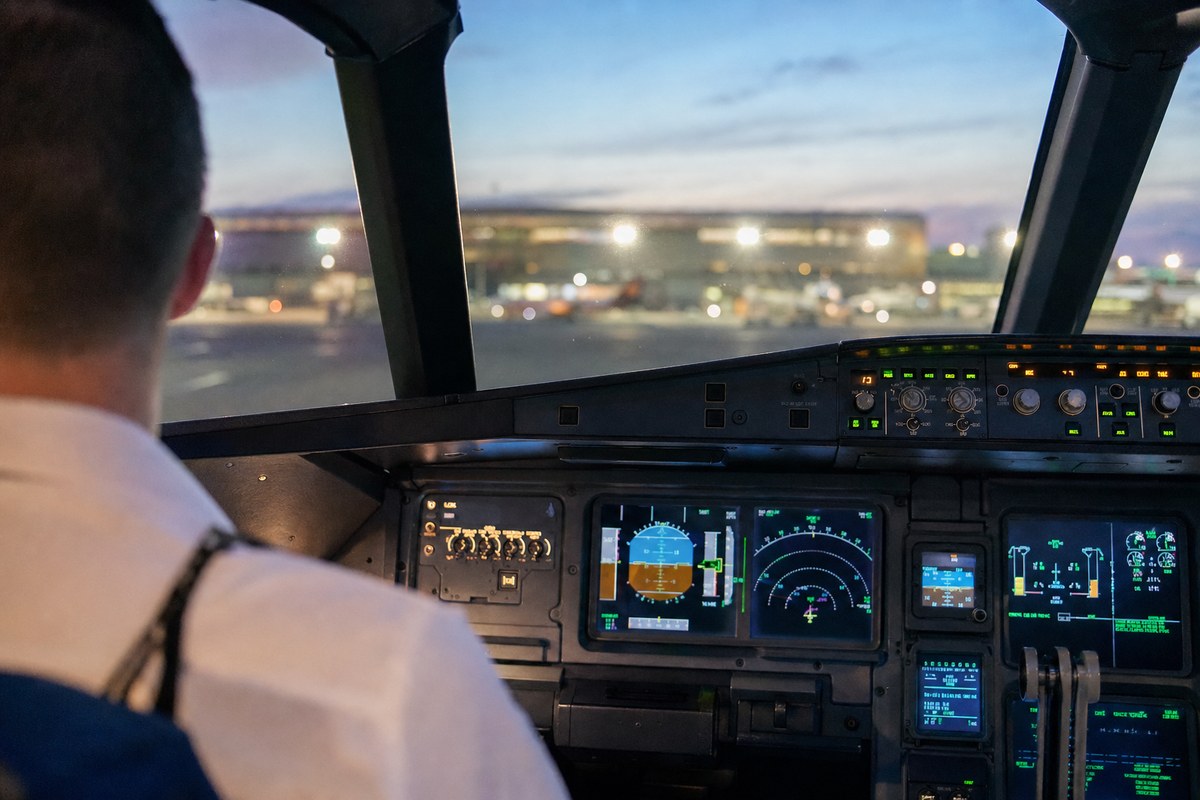
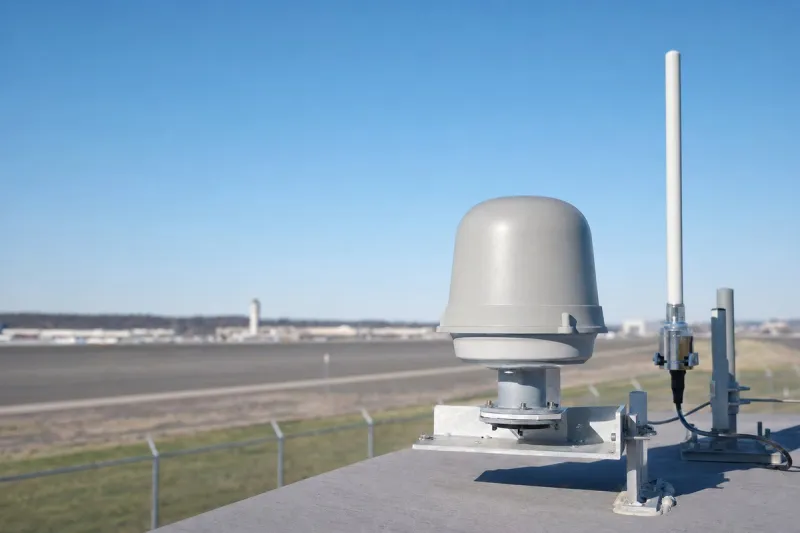
Jamming causes navigation displays to go blank or flag an error, alerting pilots immediately. Spoofing broadcasts false position and timing data from ground-based transmitters that mimic real GPS satellite signals, so the cockpit display looks normal while showing an incorrect location. Pilots have reported aircraft indicating positions over the sea while flying over land, inside restricted airspace when outside it, and on approach to the wrong runway.
The Eastern Mediterranean, stretching from Cyprus and Lebanon through Iraq and into the Persian Gulf, is identified as the worst-affected region, with flights routinely experiencing GPS anomalies lasting 30 minutes or more. Pilots approaching Beirut, Baghdad, and Erbil have reported position errors of hundreds of kilometres, attributed to electronic warfare systems operated by state actors in the region's overlapping conflicts. The Baltic and Scandinavian region is the second hotspot, with jamming emanating from Kaliningrad affecting flights across Poland, Finland, Sweden, and the Baltic states, prompting airlines to reroute flights, adjust approach procedures, and in some cases divert aircraft. The Black Sea region is the third zone, with jamming and spoofing affecting commercial traffic including Turkish Airlines flights and cargo operations.
Industry impact & what to watch
This data point marks a shift from occasional interference near active conflict zones to a persistent, region-wide navigation hazard spanning the Eastern Mediterranean, the Baltic, and the Black Sea. All global navigation satellite systems are vulnerable, since GPS, GLONASS, Galileo, and BeiDou depend on faint signals from satellites roughly 20,000 kilometres away that ground transmitters can overpower or imitate, and a single truck-mounted military system can deny satellite navigation across an entire region.
Airlines flying through high-risk zones now require crews to cross-check GPS positions against inertial navigation systems, ground-based radio aids, and radar vectors from air traffic control, because the qualitative shift IATA describes, from obvious position jumps to gradual undetected drift, has made the old assumption that a bad GPS fix will announce itself unreliable. Equipment once restricted to military use is now commercially available, widening who can generate a spoofing signal.
What happens next depends on two unresolved items: whether the European Union's Galileo signal-authentication feature gets built into aviation receivers at scale, and whether the push to revitalise decommissioned ground-based navigation infrastructure turns into funded programmes. Both are named as underway but neither has a completion date attached.