EASA Shares 2025 SAFA Ramp Inspection Data Highlighting Recurring Crew and Documentation Failures
Why It MattersRamp inspection outcomes increasingly hinge on paperwork discipline before departure, turning tech-log accuracy and document currency into a routine operational risk factor for general aviation crews.
What happened
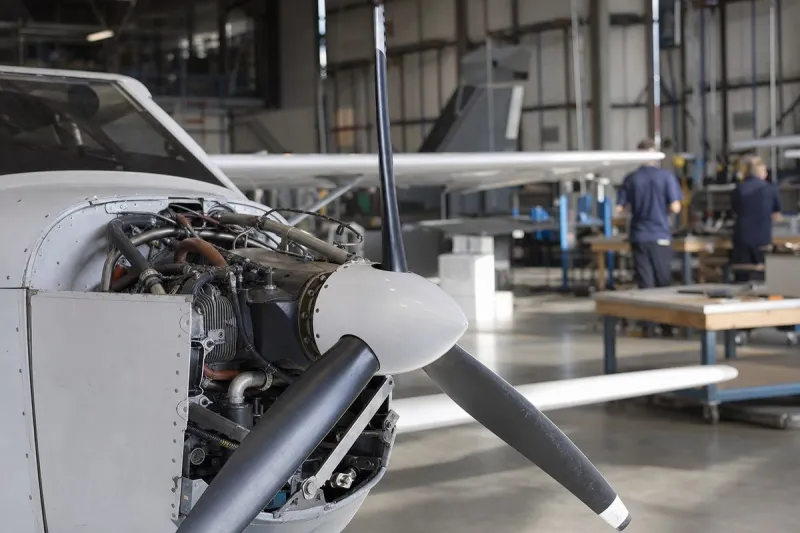
EASA's Ramp Coordination team shared its 2025 SAFA inspection data with OPSGROUP, identifying recurring findings that stemmed from routine issues inspectors said could have been caught before the inspection took place. A recurring significant finding involved aircraft defects that had not been properly identified, assessed or monitored, along with maintenance actions not correctly recorded in the tech log. Inspectors expect visible staining, damage or loose panels to be matched with log entries showing assessment, deferral or corrective action.

More serious findings included unsecured cabin equipment, blocked emergency-exit access, poorly restrained cargo and maintenance work that did not follow applicable MEL, Aircraft Maintenance Manual or Structural Repair Manual instructions. For business aviation, the SAFA-GA Top 5 findings spanned all three finding categories and included unsuitable or insufficient alternates, missed NOTAMs, and missing or seriously incorrect performance or fuel calculations. Inspectors also found crews carrying a Master Minimum Equipment List instead of an operator-customised MEL, along with outdated manuals, mismatched checklists, old navigation databases and required charts that were unavailable when needed.
EASA's Ramp Coordination team confirmed that for general aviation crews, flight planning and document control are among the primary areas to verify before an inspection. The recommended pre-departure checks include matching visible aircraft defects to tech log entries, confirming the MEL is the operator's current customised document, rechecking alternates, NOTAMs, fuel and performance calculations, verifying ATC flight plan Item 10 equipment and surveillance codes against installed and approved capabilities, and cross-checking Item 18 entries including PBN/, NAV/, COM/, DAT/, SUR/, REG/ and OPR/ fields. Operators were also advised to run an internal ramp check using an actual aircraft and trip to close discrepancies before an official inspection. EASA does not mediate disagreements over individual findings, since each finding remains the responsibility of the inspecting authority and is subject to that state's appeal process.
Industry impact & what to watch
The pattern EASA describes places the causes of ramp findings inside the operator's own paperwork and pre-flight process, not in aircraft condition alone: a defect that is properly logged and dispositioned does not trigger the same finding as one left unassessed. That shifts part of the inspection outcome onto administrative discipline that crews and dispatch control directly, ahead of any inspector arriving at the aircraft.
SAFA and SAFA-GA ramp checks work by sampling documents and physical condition against the applicable operating rules at the moment of inspection, so a mismatch between what is carried, an MMEL where an operator-customised MEL is required, or an outdated chart, becomes a finding independent of whether the flight itself was ever at risk. The same logic applies to flight-plan fields: ATC Item 10 and Item 18 entries are checked against installed and approved equipment, so an unnoticed mismatch surfaces as a document finding rather than a technical one.
What happens next for individual crews depends on how the appeal process plays out state by state, since EASA has said it does not mediate disputes over specific findings and each remains with the inspecting authority. Operators that run their own internal ramp check against a real aircraft and trip, as the analysis recommends, will be the ones best placed to see whether their tech log, MEL and flight-plan practices already match what inspectors are looking for.