IEA: Jet Fuel Supply Concerns Ease on Record U.S. Production, Higher Imports
Why It MattersRegional refining margins and cross-border trade flows, rather than any single producer, are what keep jet fuel supply balanced ahead of peak travel demand.
What happened
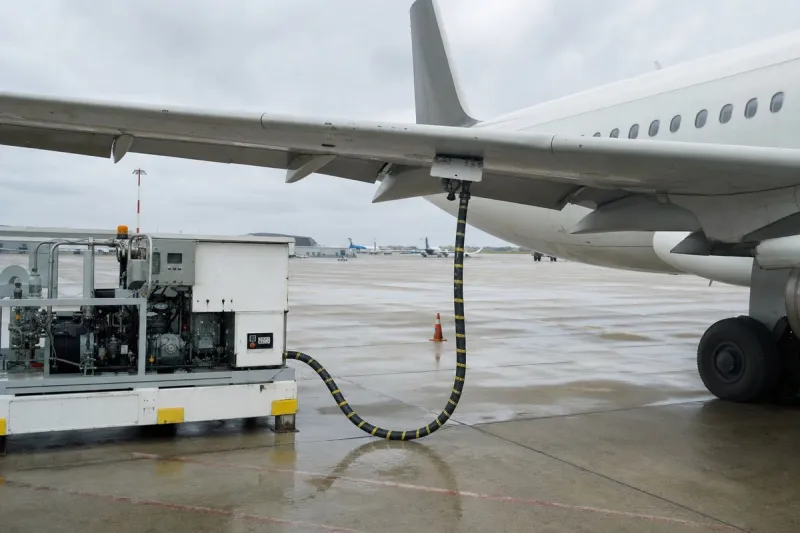
The International Energy Agency said in its monthly report that concerns over jet fuel supply shortfalls ahead of the peak summer travel season have significantly eased in recent weeks, driven by higher refinery production and increased imports.

In March, U.S. refineries produced over two million barrels per day of jet fuel, while European refineries produced 1.3 million bpd, with output rising further in April and May. U.S. exports to Europe climbed to record highs as domestic production hit record levels, with domestic jet fuel stockpiles remaining above average, boosting availability for export. Nigeria was identified as a major exporter of jet fuel to Europe, with imports from Nigeria reaching 127,000 bpd so far in June according to data from Kpler, while U.S. exports to Europe stood at 136,000 bpd. In Europe, higher refining margins for middle distillates spurred stronger runs in Italy, Norway and Denmark, and the completion of maintenance at refineries in Poland, Belgium and Germany also lifted output.
The IEA noted that the increase in jet fuel production did not come at the expense of diesel output, suggesting refineries sourced additional low-sulphur feedstocks processed through hydrocracking capacity. The agency added that jet fuel continues to price high enough to sustain its share of overall product output, with the regrade of jet fuel to diesel narrowing to close to pre-conflict levels, even as diesel cracks remain close to $40 a barrel.
Industry impact & what to watch
Cases like this show how jet fuel availability moves with refinery run rates and regional trade flows rather than with any single supplier. When U.S. output climbs and European refineries finish scheduled maintenance at the same time, the market absorbs seasonal demand increases without the price spikes that shortfall fears usually produce.
The segment runs on refiners choosing product slates based on relative margins: the IEA's point that jet fuel output rose without cutting into diesel output shows refiners pulling in more low-sulphur feedstock rather than trading one fuel for another. The narrowing regrade between jet fuel and diesel is the clearest signal of that balance, since it reflects how refiners value the two products against each other.
What happens through the rest of the peak season will depend on whether Nigerian and U.S. export volumes to Europe hold near their current levels, whether diesel cracks near $40 a barrel stay stable, and whether European refiners keep pace after the completion of maintenance in Poland, Belgium and Germany.