South Africa's ATNS Safety Incident Rate Exceeds Own Limit as Parliament Hears of Air Traffic Navigation Crisis
Why It MattersUnderstaffed air navigation services can force airlines to suspend instrument procedures and constrain schedules at major hubs, turning a staffing shortfall into a network-wide capacity limit.
What happened
Parliament heard that the Air Traffic and Navigation Services (ATNS) serious safety incident rate has climbed above the agency's own safety limit and has been worsening since July 2025. The Democratic Alliance (DA) is calling on Transport Minister Barbara Creecy to take urgent action over what it described as systemic weaknesses exposed during the session.
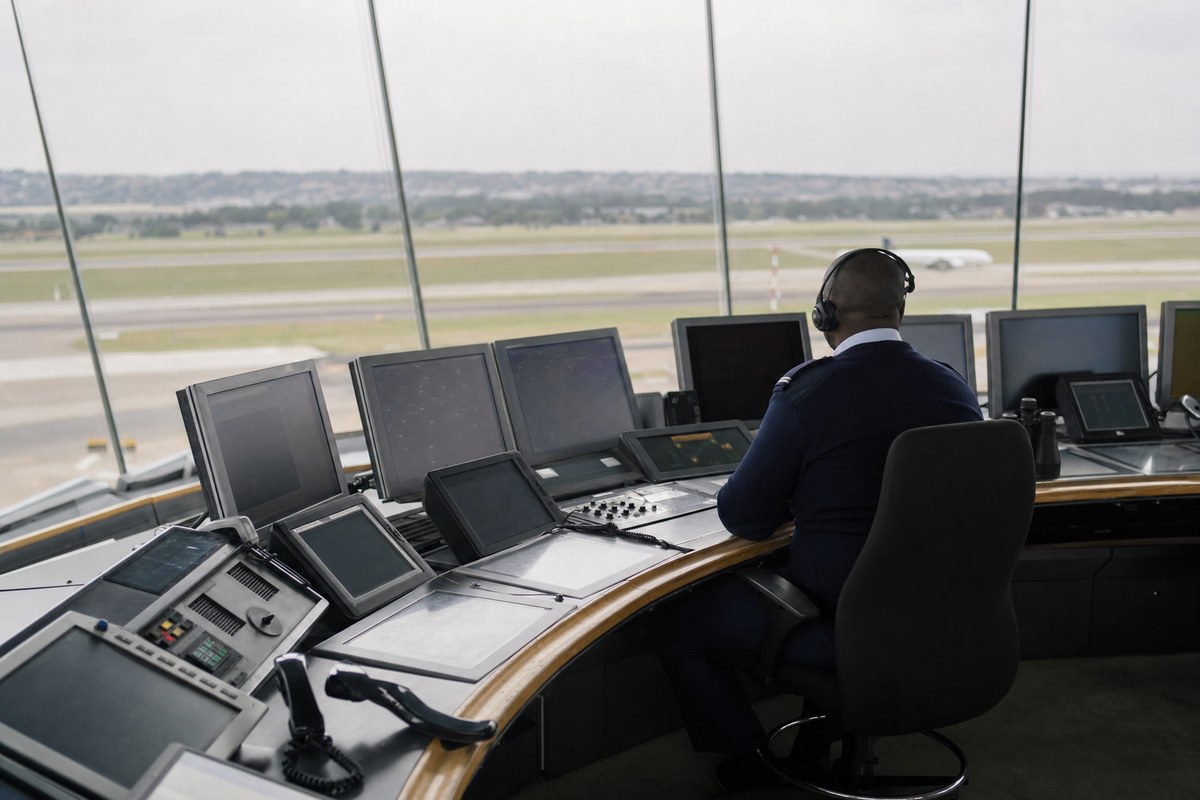
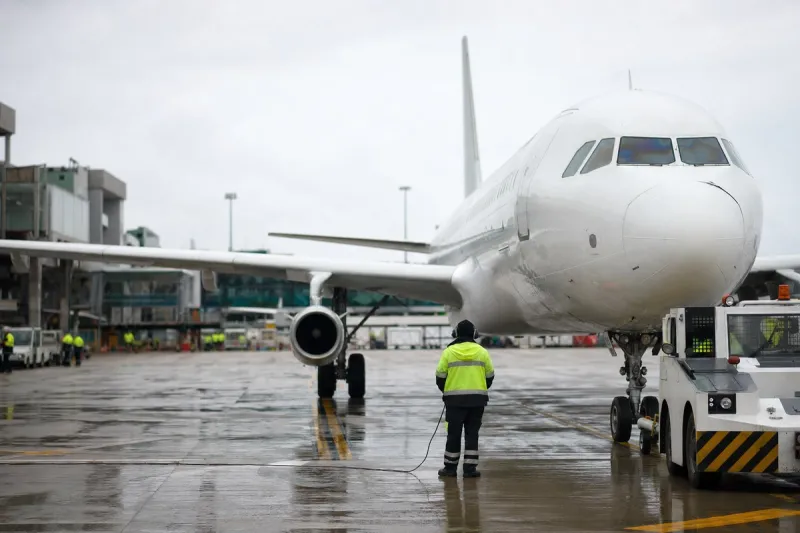
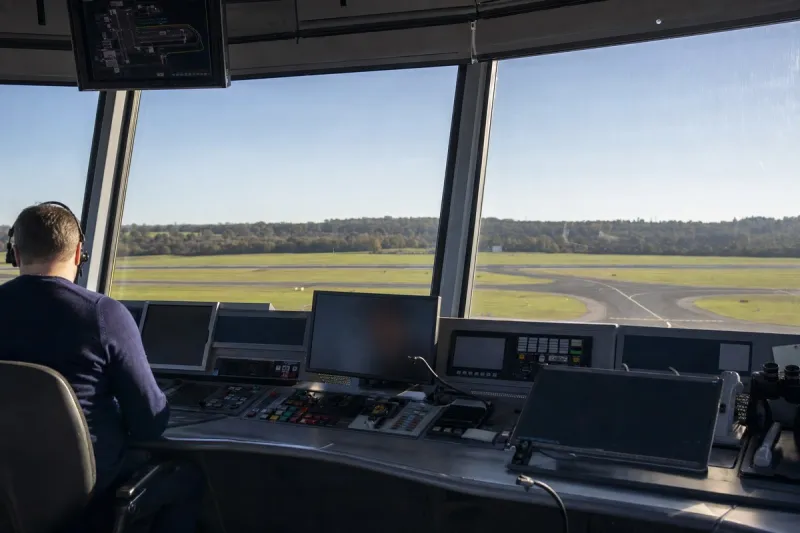
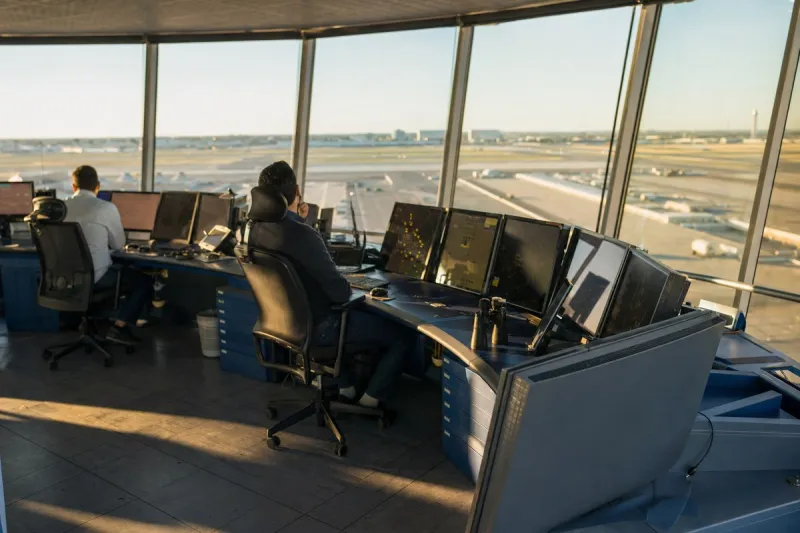
Staffing at OR Tambo International Airport's approach control unit, which guides aircraft during critical phases of flight, stands at 57% of target levels. The DA said the shortfalls are contributing to flight disruptions and delays and are placing pressure on South Africa's aviation sector.
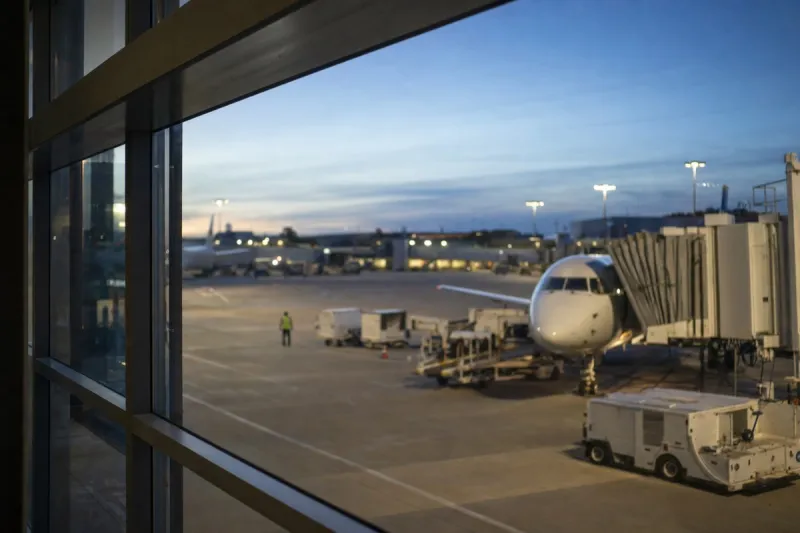
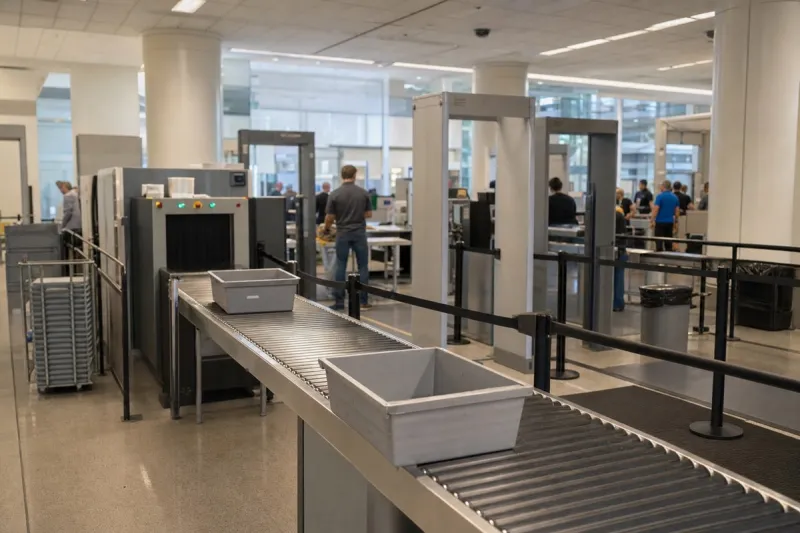
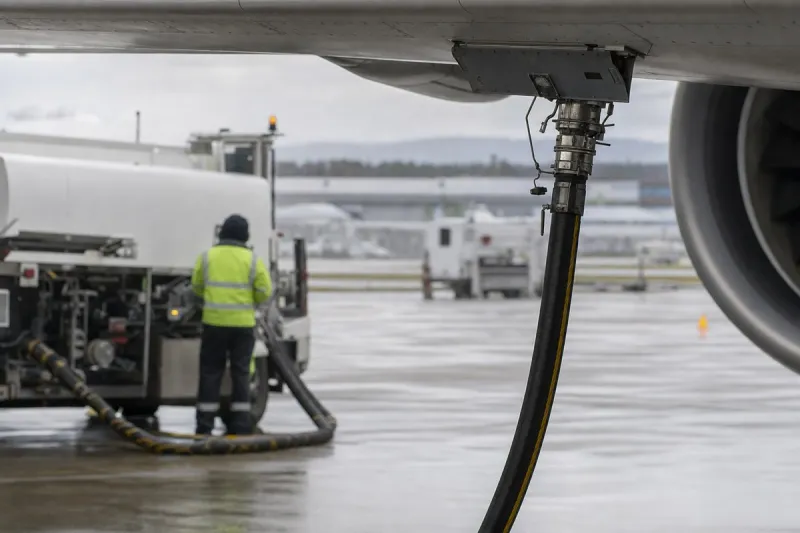
Airline Airlink has previously said the suspension of more than 200 instrument flight procedures, following failures at ATNS, severely disrupted flights to and from Kruger Mpumalanga, Richards Bay and Polokwane, particularly in poor weather. Carrier FlySafair has said air traffic constraints, particularly at OR Tambo International Airport, have become a factor in planning schedules and future growth. ATNS has disputed aspects of those claims. The DA said reliable, safe commercial aviation is essential to South Africa's economy and that the navigation system falls under Minister Creecy's national department to maintain and upgrade, adding it would hold the Minister to account for resolving the shortfalls, alongside separately flagged concerns over fuel supply reliability and airport security.
Industry impact & what to watch
This is a case of ground infrastructure staffing directly capping flight capacity: when an approach control unit runs at 57% of its target headcount, the constraint shows up not as an ATNS problem but as delayed departures, suspended instrument procedures and route disruption for the airlines that rely on it.
Approach control and instrument flight procedures are a shared resource; airlines cannot substitute their way around a navigation-service shortfall the way they might reroute around a single closed runway. Airlink's disruption to Kruger Mpumalanga, Richards Bay and Polokwane and FlySafair's scheduling caution at OR Tambo both point to the same dependency: safe, predictable growth at these airports rests on ATNS staffing and safety-margin recovery, not on airline planning alone.
What happens next depends on how Minister Creecy responds to the DA's call and whether ATNS publishes a plan to bring the serious safety incident rate back under its own limit and lift approach-control staffing toward target. Airlink's and FlySafair's own statements on schedule impact will be the clearest signal of whether conditions are improving or continuing to worsen.