Middle East Airspace Under Strain as Rerouted Traffic, Conflict and Capacity Pressure Drive Delays at Gulf Hubs
Why It MattersPersistent airspace congestion and conflict-zone avoidance across the Gulf point to structurally higher operating costs and schedule volatility for long-haul connecting traffic for years.
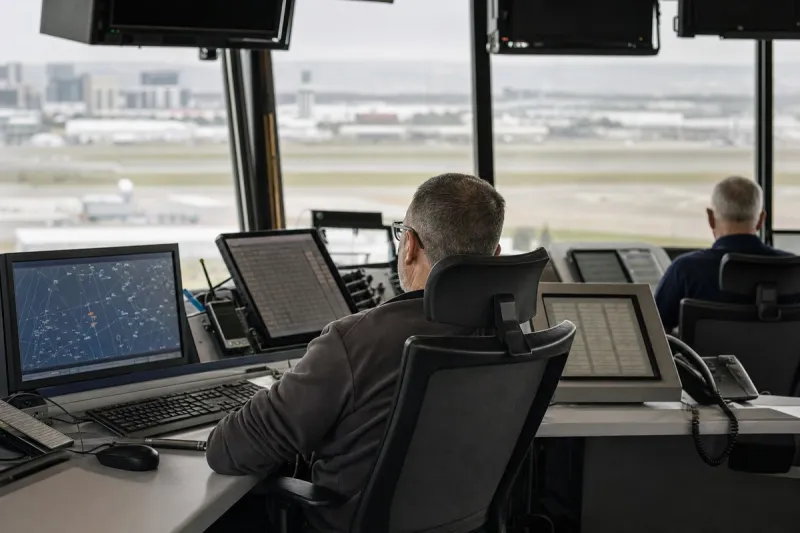
Middle East airspace is facing growing disruption in 2026 as rerouted global traffic, regional conflict, extreme weather and capacity constraints combine to produce delays, cancellations and higher costs across key Gulf aviation hubs. Airlines have continued to avoid large portions of Russian airspace and have adjusted routes around Iranian territory following the outbreak of war between Iran and the United States, redirecting long-haul services over the Persian Gulf and eastern Mediterranean and concentrating traffic in already busy flight information regions. The European Union Aviation Safety Agency has issued conflict zone information bulletins covering the flight information regions of Bahrain, Iran, Iraq, Israel, Jordan, Kuwait, Lebanon, Oman, Qatar, Baghdad, Tehran, Tel Aviv and Amman, citing risks from military activity, long-range missiles and drones.
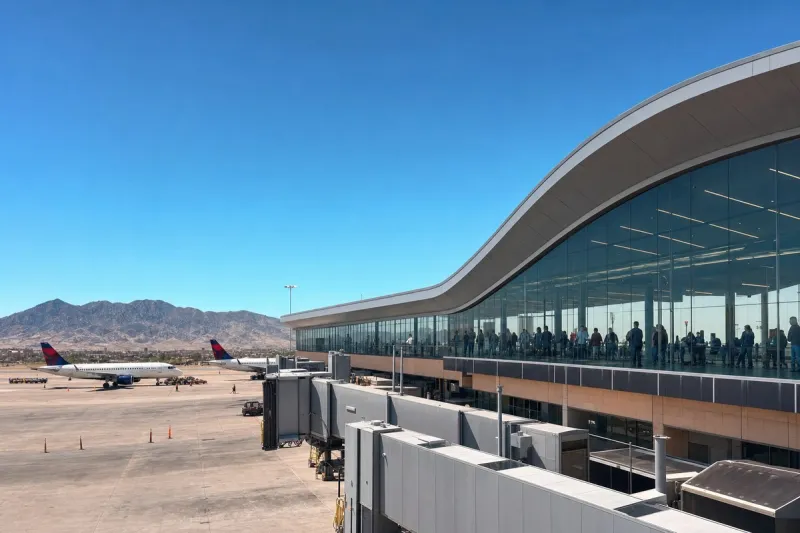
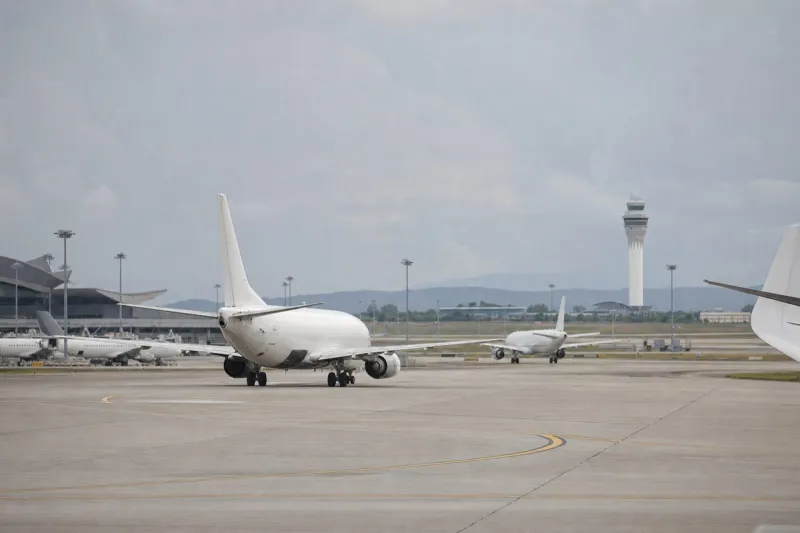
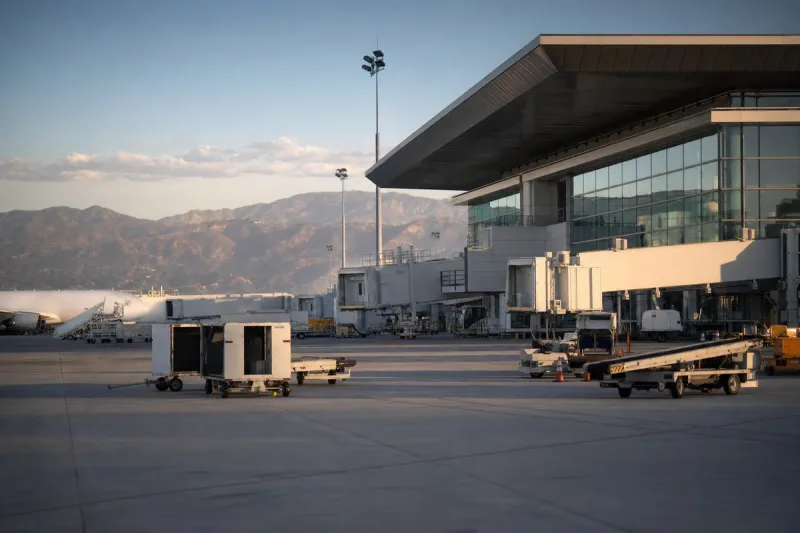
Dubai International, Hamad International in Doha and Abu Dhabi International have seen robust demand return in summer 2026, but that recovery is running alongside tighter runway and gate capacity at peak times, with Dubai and Doha experiencing waves of delays during storm activity and peak travel days, disrupting connecting passengers. A ceasefire between the United States and Iran, extended in June 2026 through a memorandum of understanding, has allowed some partial normalization of routings, though carriers continue to plan conservatively and file multiple routing options to account for short-notice changes.
Extreme heat has raised aircraft performance concerns at several regional airports, limiting takeoff performance and sometimes requiring payload restrictions, while convective storms over the Gulf and dust storms across the Arabian Peninsula periodically disrupt arrival and departure sequences. Higher jet fuel costs from longer rerouted flights are adding to airline operating costs, and passengers face missed connections, overnight delays and crowded transfer halls. Airport operators have outlined longer-term expansion plans and air navigation service providers are working on upgraded air traffic management systems, but most of those projects will unfold over several years.