Top 10 Aviation Stories of the Week: Rafale Intercepts Fuel-Leaking Jet, Qantas A380 Flew With Tool in Wing, and More
Why It MattersRecurring maintenance and procedural lapses across widebody and business-jet fleets underscore how inspection discipline, not aircraft age or type, determines whether small errors become airborne emergencies.
What happened
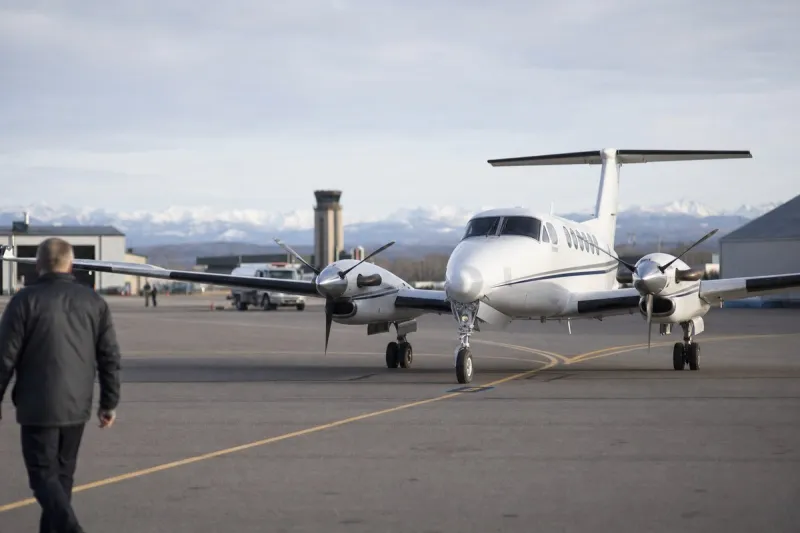
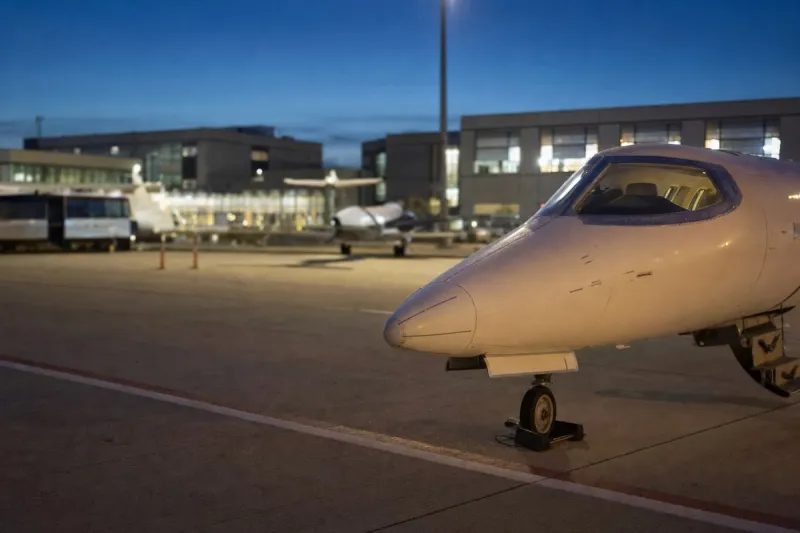
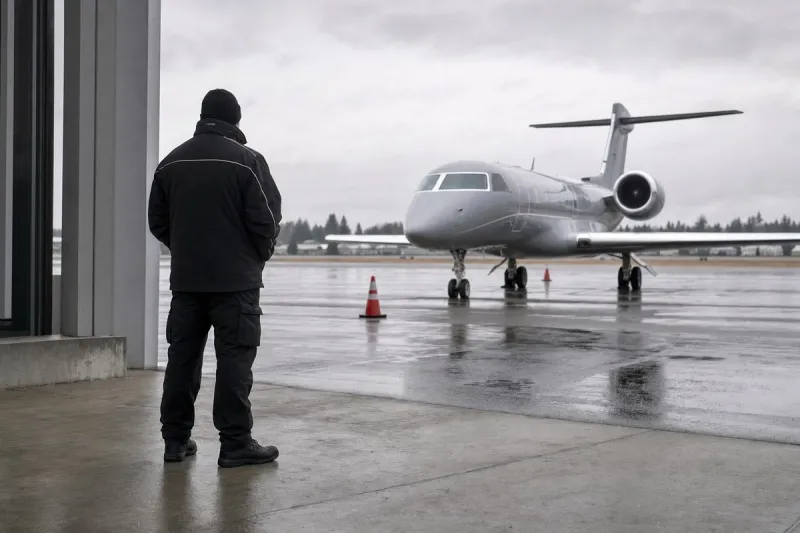
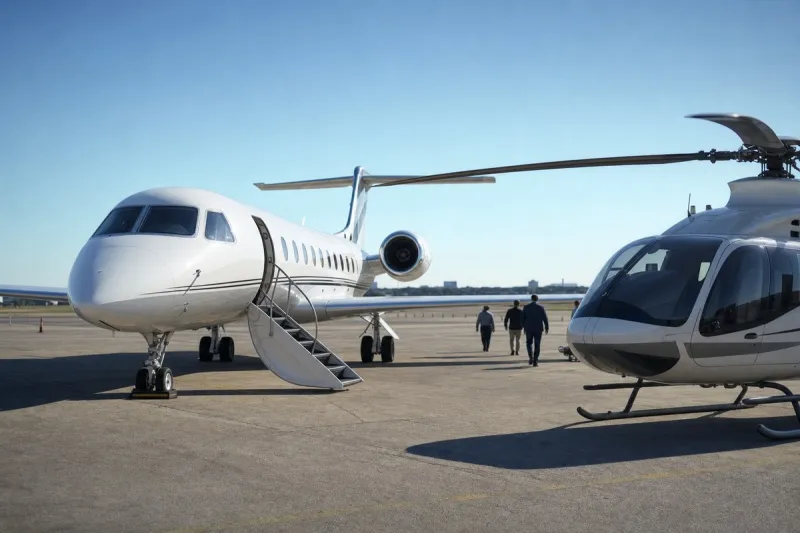
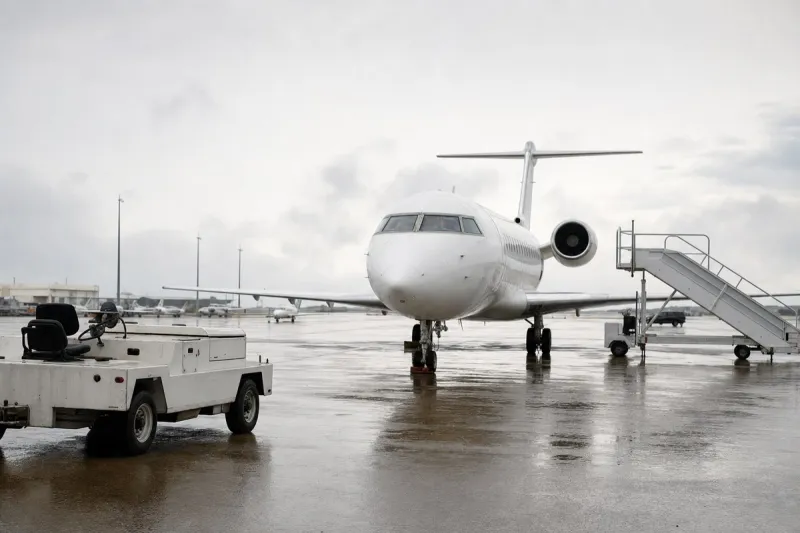
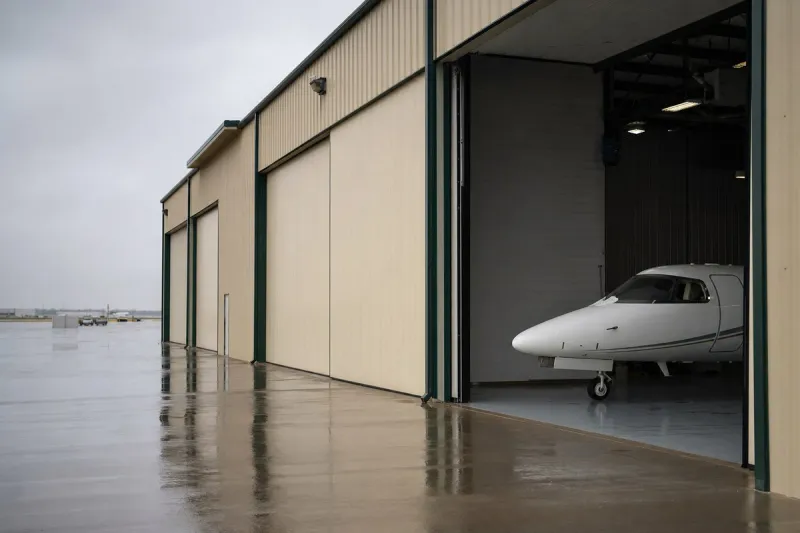
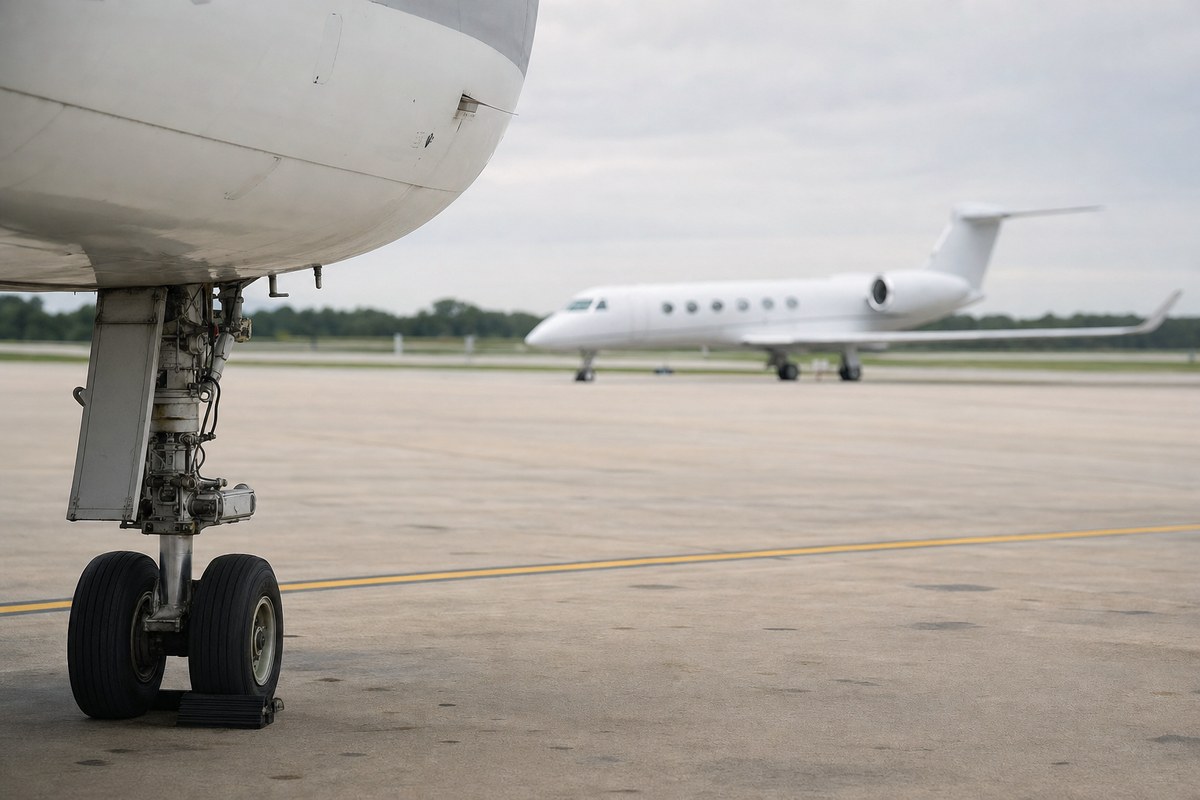
A French Air Force Rafale intercepted a Bombardier Global 6000 business jet over France after a fuel leak was spotted midflight, forcing the Miami-bound aircraft to divert. Separately, a NetJets Cessna Citation Longitude made an emergency landing without its nose gear deployed at an Ohio airport, with all occupants escaping injury.
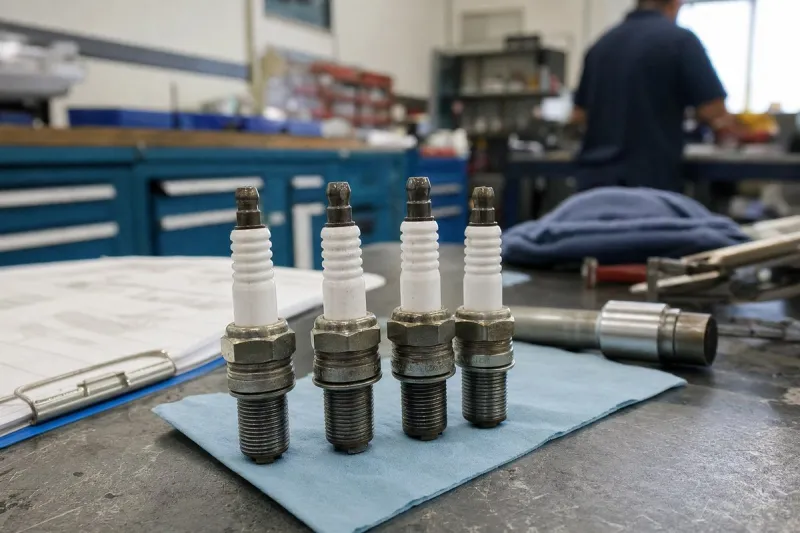
An Australian Transport Safety Bureau investigation found that a Qantas A380 flew multiple international routes over two days with a mechanic's work light lodged inside its wing. In the United States, Immigration and Customs Enforcement agents have been approaching airline gate employees at American airports to help identify and detain passengers, drawing pushback from some workers.
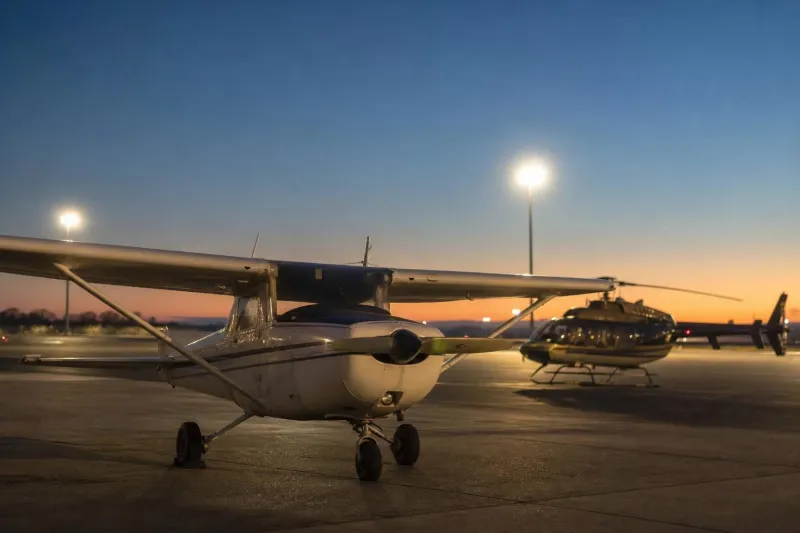
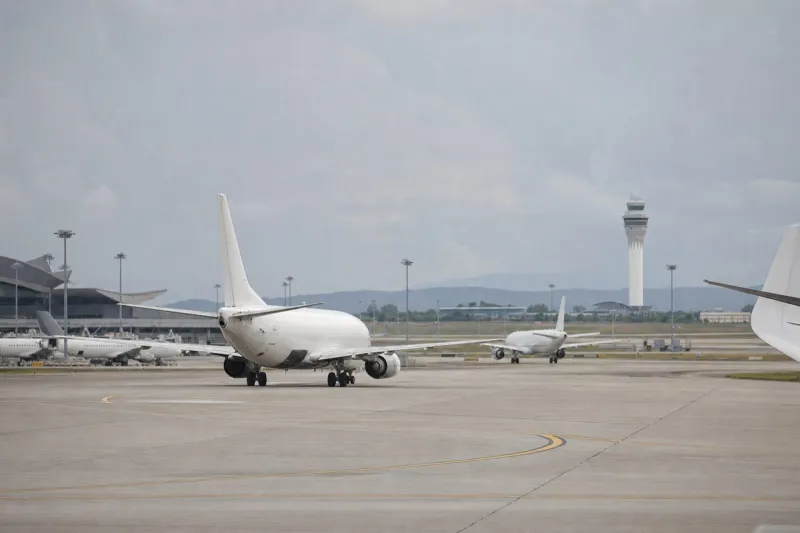
Other incidents included a Cessna pilot killed in a midair collision with a Pennsylvania State Police helicopter, whose two troopers on board survived; a United Airlines captain who accidentally broadcast profanity-laced complaints about flight attendants over the cabin public-address system; and Ryanair accelerating its onboard safety demonstration video after cabin crew complaints, with attendants now saying the new pace is too fast to follow. A Cirrus Vision Jet struck construction equipment during a takeoff attempt at an Idaho airport, New Zealand's aviation regulator accepted Merlin Labs' certification plan for an AI-based flight automation system intended for Cessna Caravan aircraft, and a Lufthansa Airbus A380 landed short at Munich Airport and damaged approach lights, days after a Boeing 787 overran the same runway.
Industry impact & what to watch
The week's cluster of incidents spans mechanical failure, maintenance oversight, air traffic conflict and workplace tension, showing how varied the sources of operational risk are across business and commercial aviation in a single seven-day span. A fuel leak forcing a military intercept, a work light left inside a wing through multiple flights, and a landing gear failure each point to different failure points in the same broader system of pre-flight checks, inspection sign-off and crew procedure.
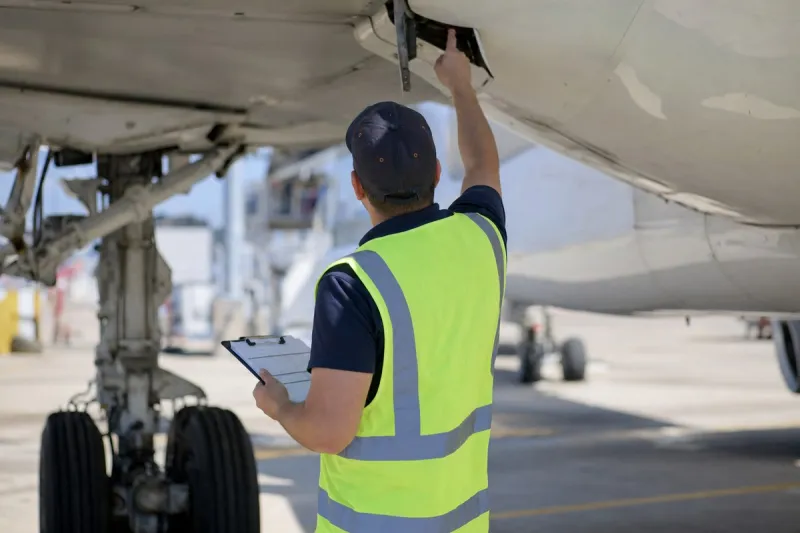
Maintenance-driven events like the Qantas work-light finding and the NetJets gear issue illustrate how inspection and tooling-control discipline, rather than aircraft complexity alone, determines whether an anomaly is caught before dispatch or surfaces in flight. Regulatory and labor frictions, including the ICE gate approaches and the Ryanair safety-briefing dispute, show operational risk is not limited to hardware but extends to how crews and staff are directed to work.
Findings from the Australian Transport Safety Bureau on the Qantas incident and any formal investigation results on the Pennsylvania midair collision will be the clearest indicators of whether procedural changes follow, while New Zealand's regulator will next need to assess Merlin Labs' certification evidence before its automation system can move toward approval.