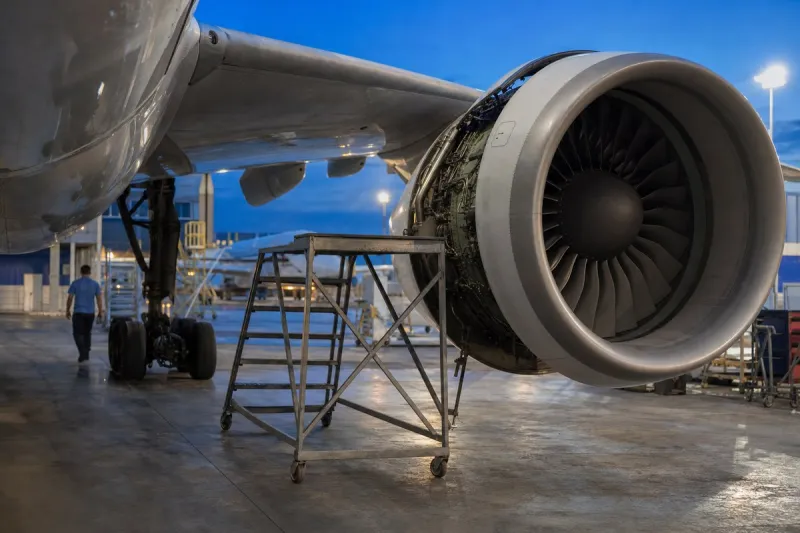
FAA Discloses Fuel-Saving Single-Engine Cruise Feature in P&WC's In-Development PW220A Turboshaft
Why It MattersEngine-level single-engine cruise modes shift fuel-efficiency gains for twin helicopters from operational technique toward built-in powerplant design, raising new certification questions for regulators.
What happened
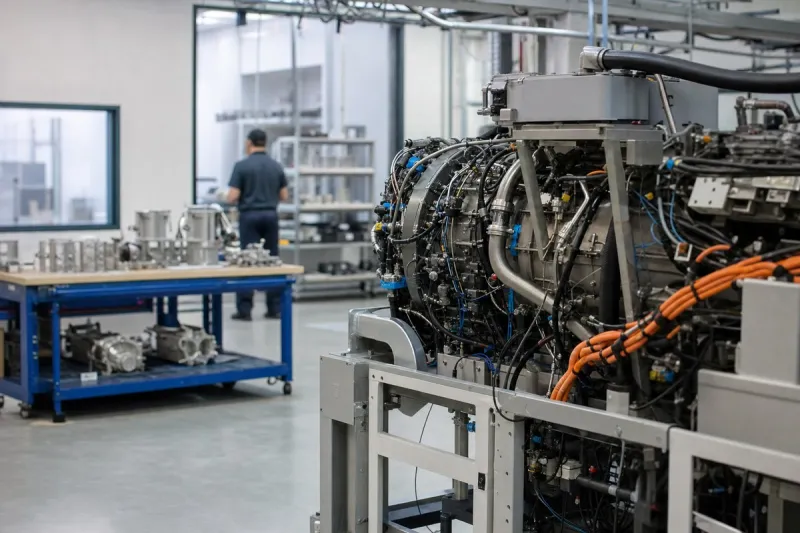
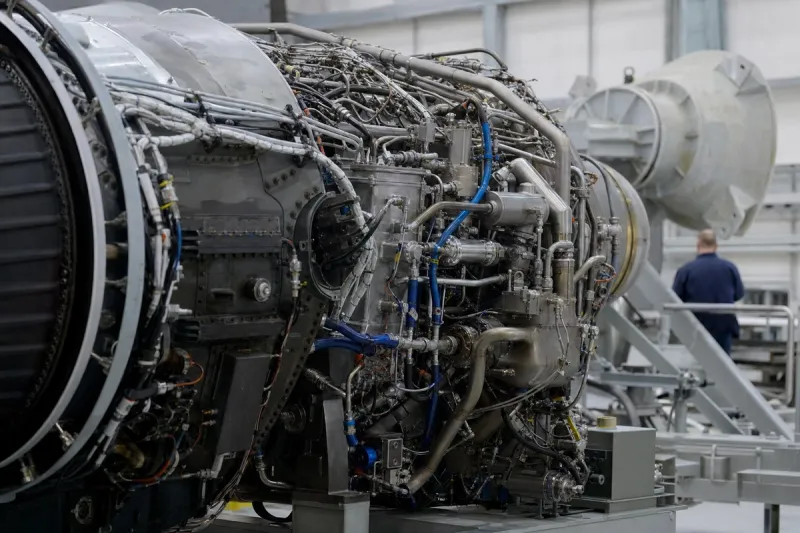
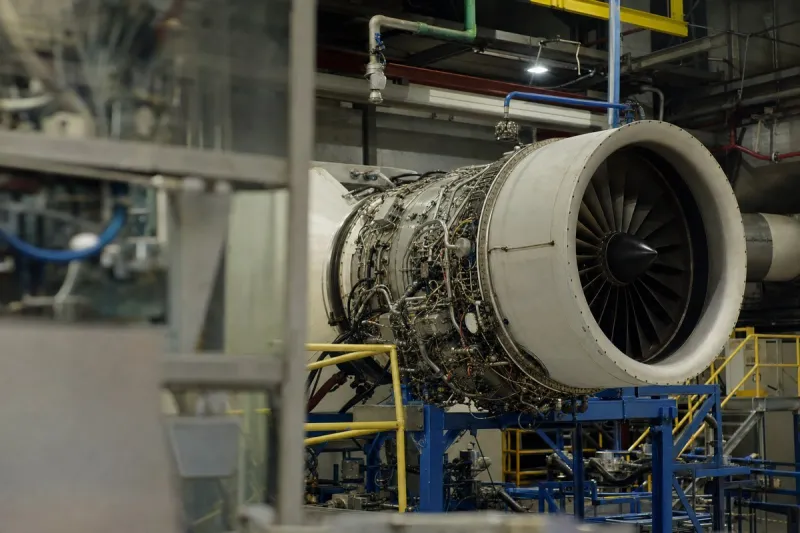
The Federal Aviation Administration has disclosed a fuel-saving feature built into Pratt & Whitney Canada's PW220A turboshaft engine, which remains in development.
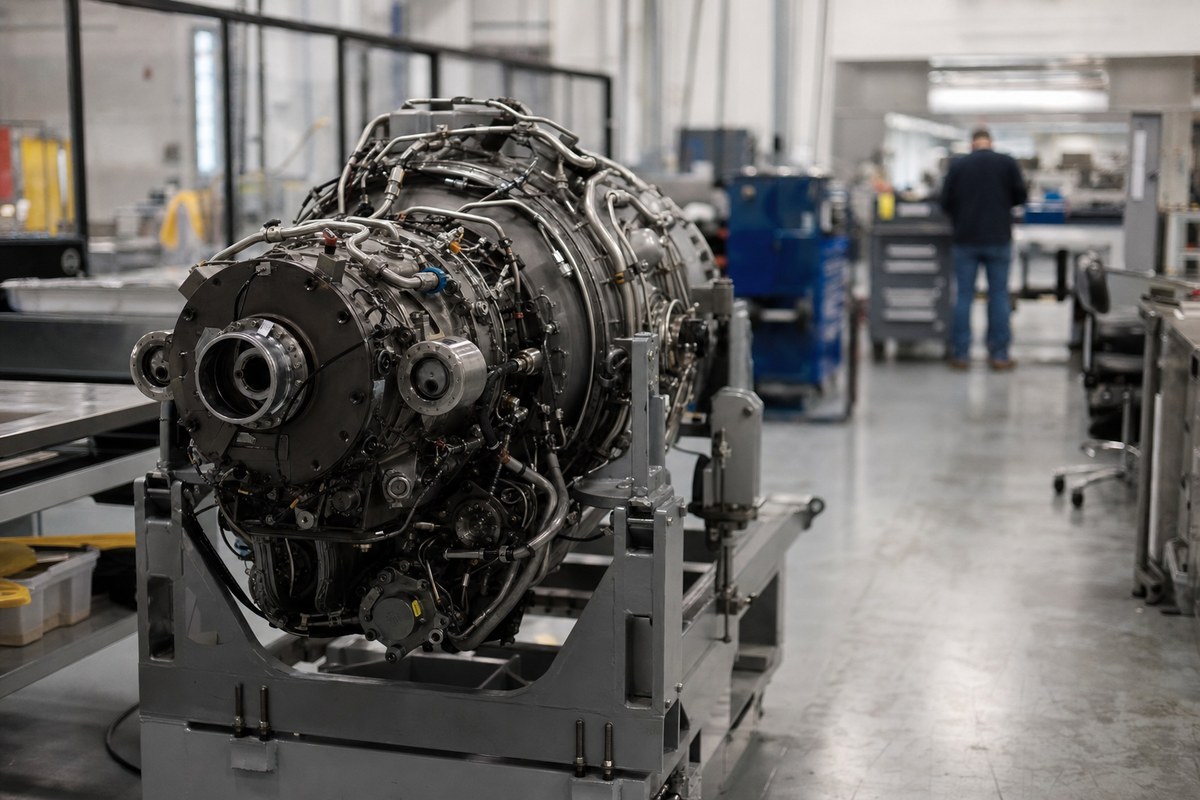
The feature allows a twin-engined helicopter to cruise using only one active engine, with the second engine remaining inactive during that phase of flight, reducing fuel consumption compared with running both engines continuously.
Industry impact & what to watch
Single-engine cruise capability built into the engine itself represents a different approach to helicopter fuel efficiency than pilot procedure or airframe aerodynamics; it shifts the saving into the powerplant's control logic and its interaction with the airframe's twin-engine systems.
Twin-engine helicopters are certified and operated on the assumption that both engines are available to share load, so a design that deliberately idles one engine in cruise touches how engine-out redundancy, engine restart response and overall airworthiness margins are assessed for that phase of flight.
How the FAA and Transport Canada treat this feature during certification of the PW220A, and which helicopter programs plan to adopt the engine, will determine whether single-engine cruise becomes a standard efficiency tool or stays a niche capability.