India to Host Second SAF Conclave in New Delhi on September 28
Why It MattersBuilding a domestic SAF ecosystem depends on aligning government, energy producers, financiers and airlines around shared investment and technology commitments rather than any single deal.
What happened
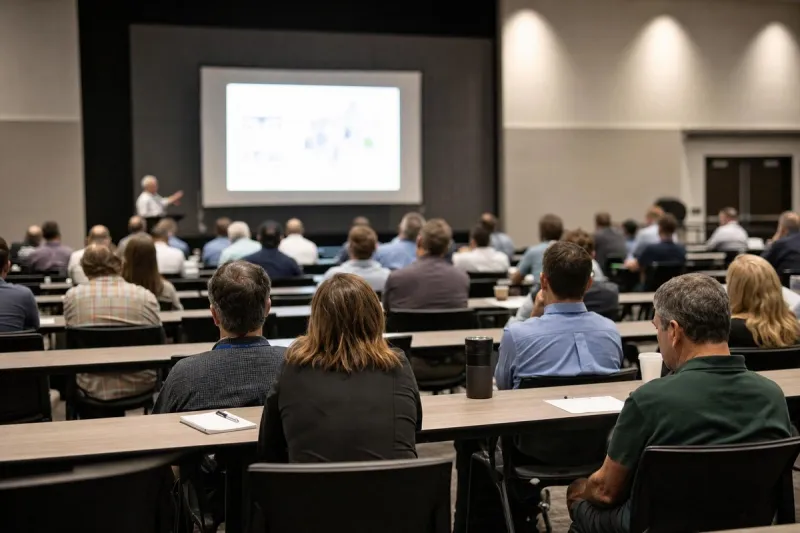
New Delhi is set to host the second Sustainable Aviation Fuel Conclave on September 28, a two-day event organised under the SAF Association. The gathering is expected to draw more than 1,000 delegates, over 100 speakers and participants from more than 25 countries.

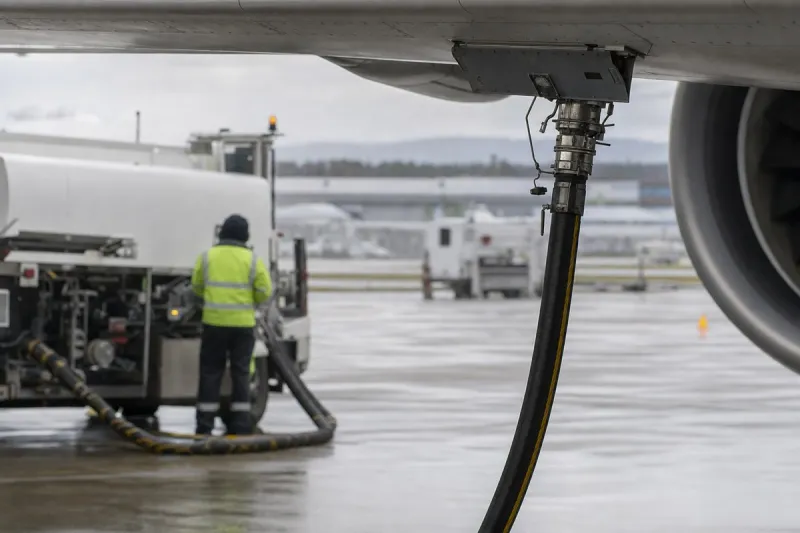
Airlines, airports, energy companies, technology developers, investors and financial institutions are expected to discuss investment opportunities, technology partnerships, project development and market access for low-carbon aviation fuels. The programme includes ministerial meetings, technical sessions, investor and buyer forums, leadership discussions, business and government-to-business meetings, technology showcases and exhibitions, along with potential memorandums of understanding.
Rohit Kumar, secretary general of the SAF Association and CMAI, said India had the potential to emerge as a major global SAF hub if government, industry, technology, finance and international stakeholders worked together. He pointed to projected global demand for about 40 million tonnes of SAF by 2050 as a source of investment and technology-partnership opportunities as countries accelerate efforts to decarbonise aviation.
Industry impact & what to watch
A gathering of this scale signals that SAF development is moving from isolated pilot projects toward coordinated national planning, with government, financiers and fuel producers being brought into the same room as airlines and airports. Aviation's 2050 net-zero target depends on scaling SAF supply well beyond current volumes, and events built around investor forums and government-to-business meetings are how that supply chain gets financed and permitted rather than through any single announcement.
Domestic SAF ecosystems typically form around exactly the mix described here: energy companies securing feedstock and production capacity, technology developers licensing conversion processes, and financial institutions underwriting the capital costs, with government setting the policy framework that makes projects bankable.
What happens at the conclave itself, particularly any memorandums of understanding signed and which companies commit to them, will indicate whether India's stated ambition to become a SAF hub translates into funded projects or remains a discussion forum.