Pentastar Aviation becomes first to deploy autonomous wingwalking robots in daily FBO operations
Why It MattersRamp safety roles built around a human standing beside the wing during towing are starting to shift toward robotic monitoring paired with ground-crew oversight.
What happened
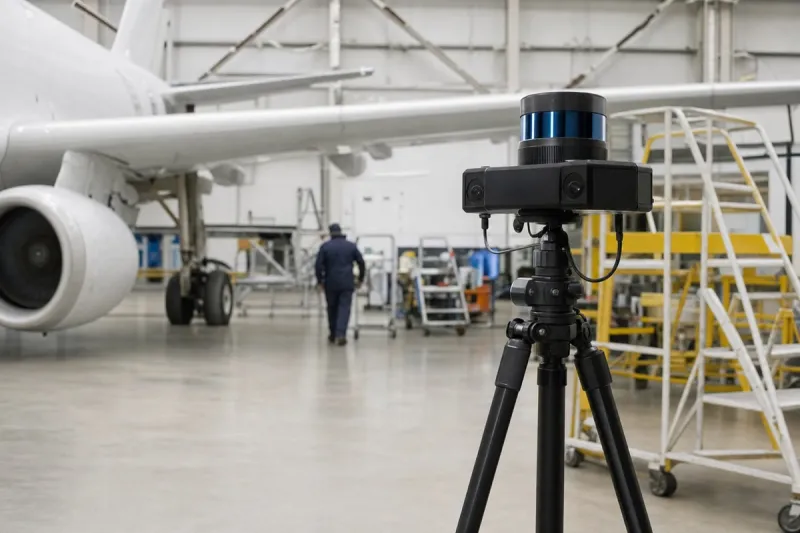
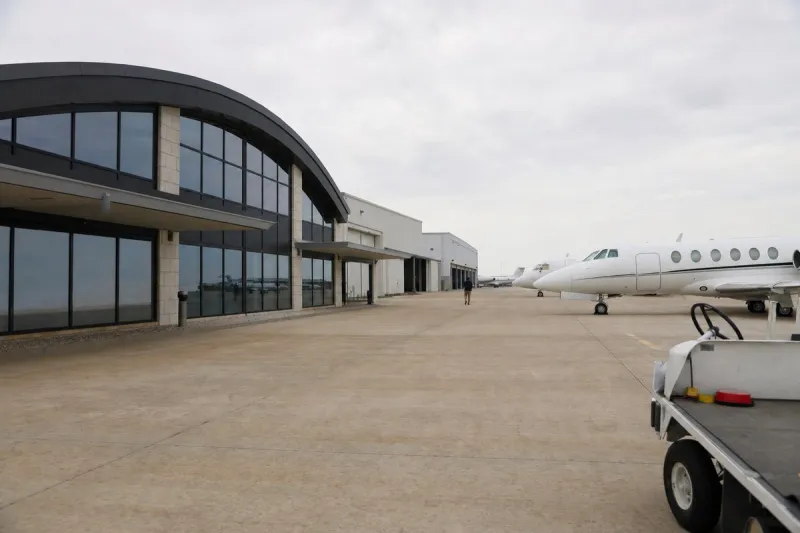
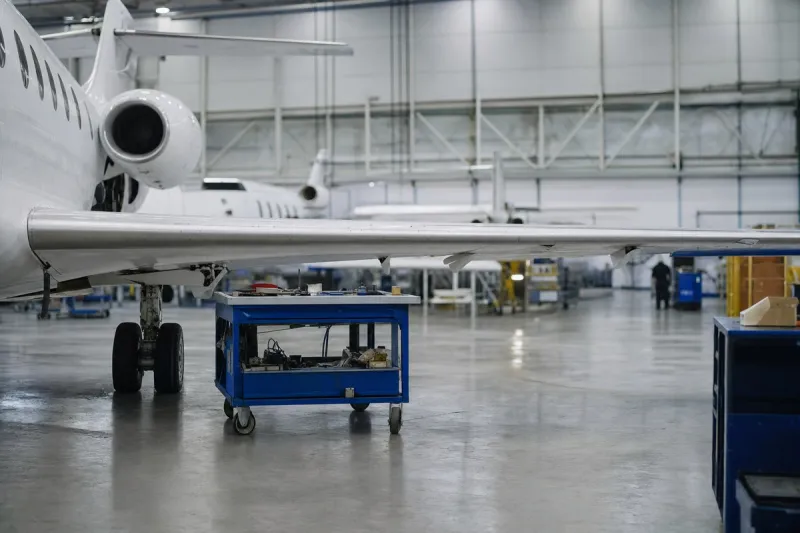
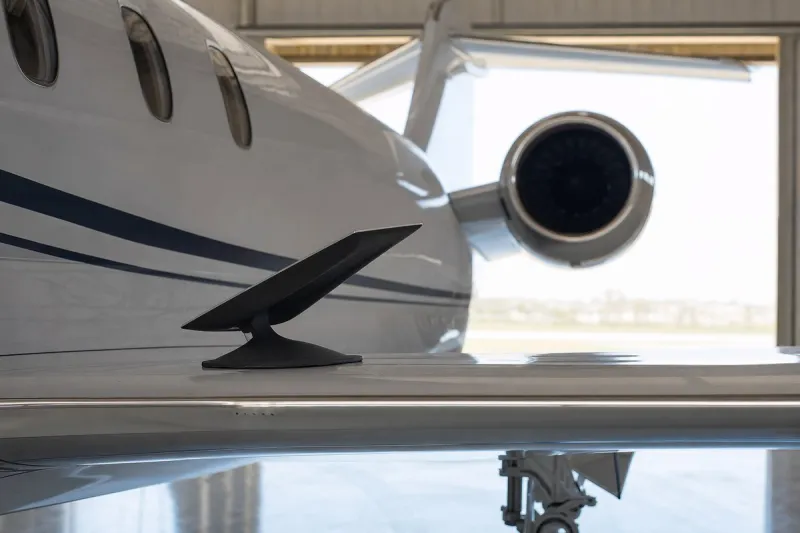
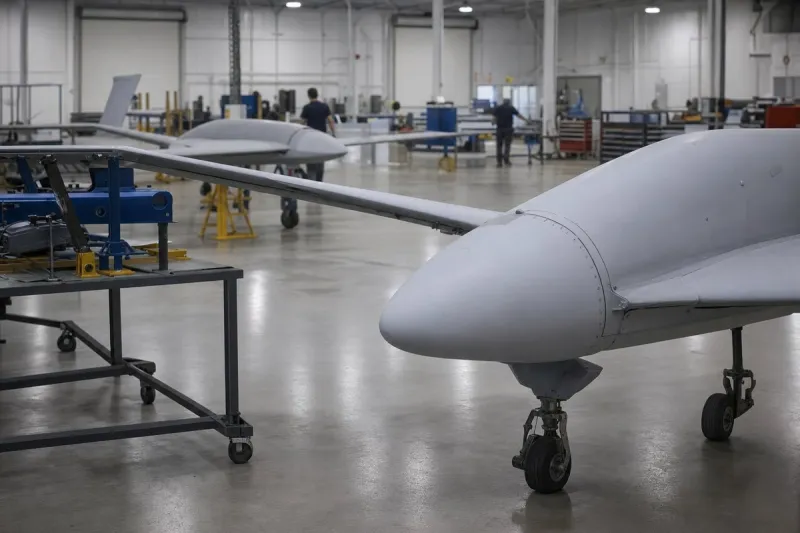
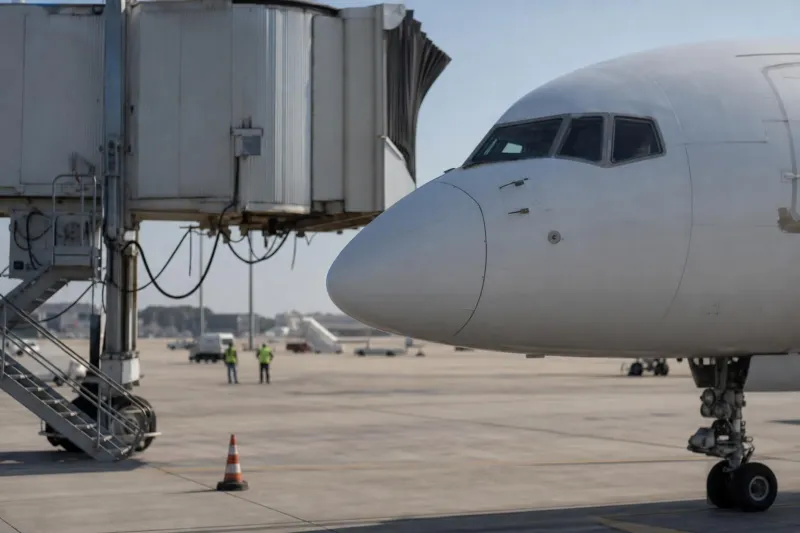
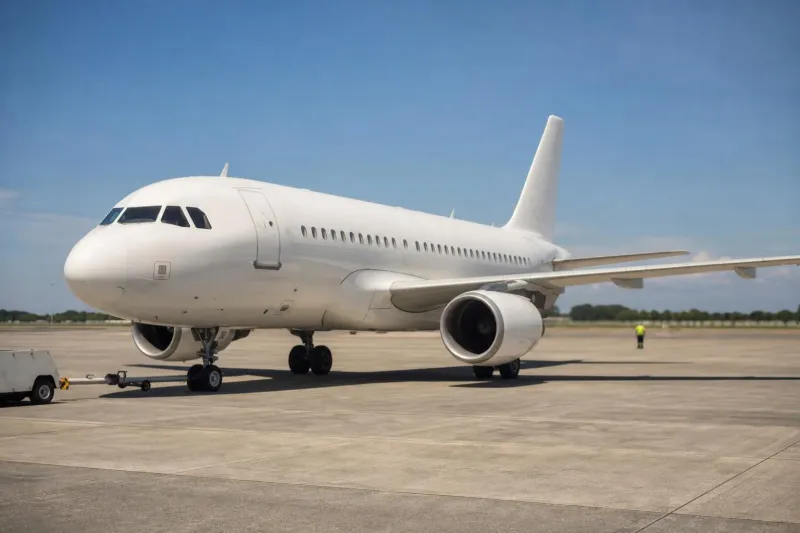
Pentastar Aviation has become the first aviation company to deploy autonomous wingwalking robots in day-to-day operations, using technology developed by Airtrek Robotics at its facility in Waterford, Michigan. The robots move alongside aircraft during towing operations to monitor surroundings and identify potential obstacles, giving ground crews greater visibility as they navigate ramp and hangar environments.
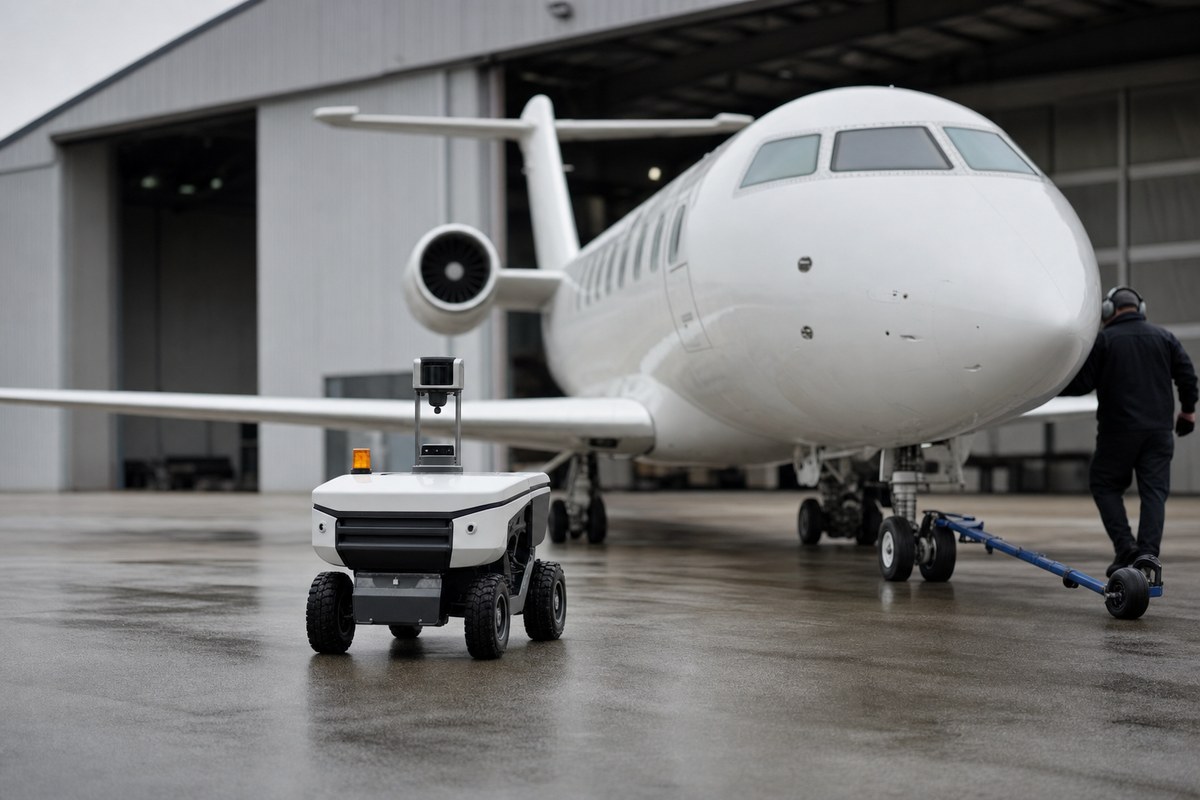
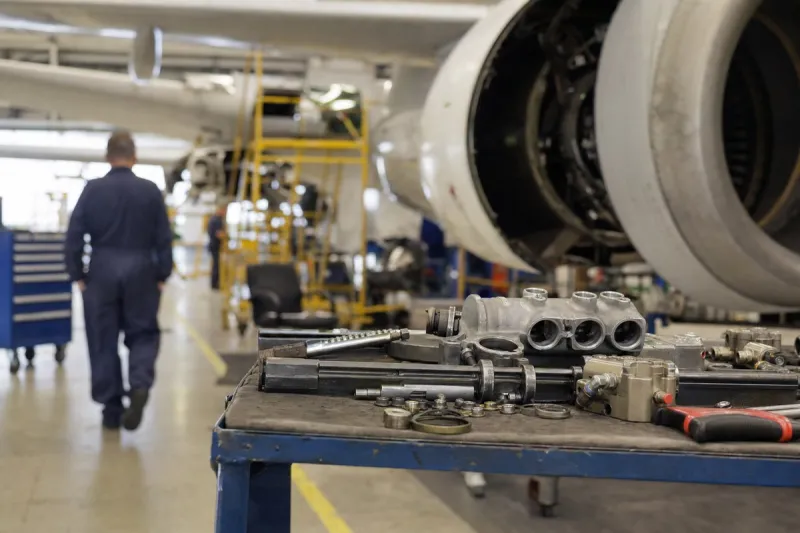
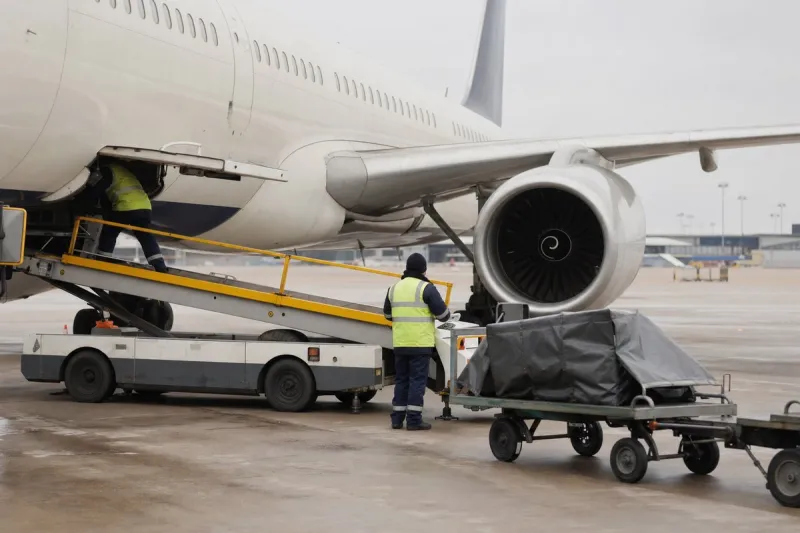
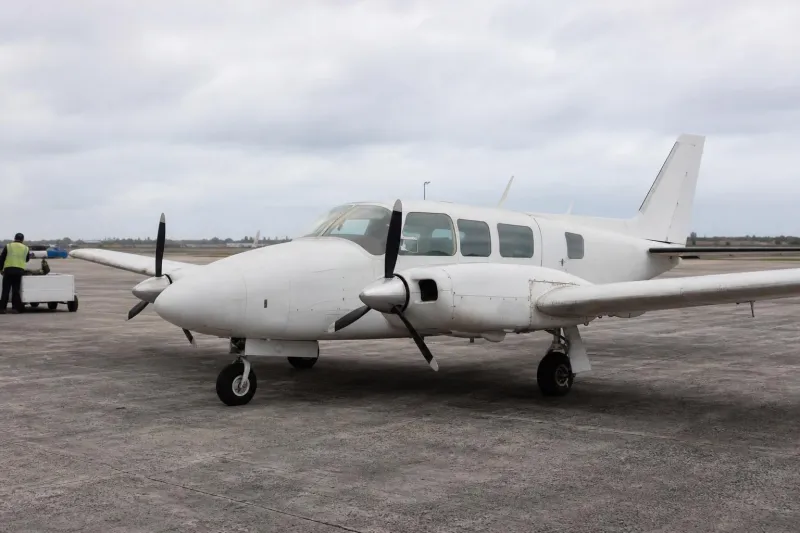
Traditionally, human wingwalkers are positioned near an aircraft's wings during towing to communicate clearance and hazards to the tug operator. Ben Hammond, vice president of FBO services at Pentastar Aviation, said, "Our high standard for safety requires precision and constant awareness, and Airtrek has created a solution that complements our crew and their expertise." Chris Lee, co-founder and CEO of Airtrek Robotics, said Pentastar had contributed real-world operational expertise to the development process, helping refine how the technology works in practice, adding, "Together, we've created a new approach to a longstanding component of aircraft ground operations that, we believe, will become a model for others across the industry."
Deployment began this month, with full implementation expected by the fourth quarter of 2026.
Industry impact & what to watch
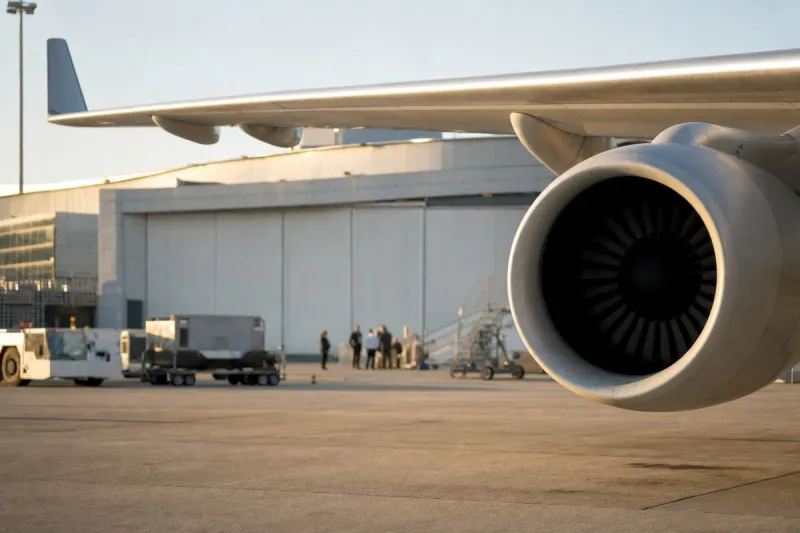
This case sits in a broader push to bring robotics and automation onto the ramp, an area that has long relied on trained personnel standing in close proximity to moving aircraft and tugs. Wingwalking has historically been a manual, safety-critical task performed by ground crew during towing, so introducing a robot that monitors clearance alongside the human team changes the division of labor without yet replacing it outright.
How this plays out for other FBOs will depend on whether the robots perform reliably across the full range of ramp and hangar conditions Pentastar operates in, and whether the model Airtrek describes proves transferable beyond a single site. The next marker is Pentastar's own timeline: full implementation is expected by the fourth quarter of 2026, and how that rollout goes will shape whether other operators consider adopting similar systems.