33rd FAI World Aerobatic Championship Opens at Mason City Municipal Airport in Iowa
Why It MattersHosting a multi-day international aerobatic event shows how a general aviation airport can absorb specialized competition traffic while keeping normal operations running with added coordination.
What happened
The 33rd FAI World Aerobatic Championship has begun competition at Mason City Municipal Airport in Mason City, Iowa, with more than 35 pilots from eight countries vying for individual and team titles. Competition runs through September 2. Participating nations include France, Spain, Romania, Canada, Guatemala, Portugal, Brazil, and the United States.
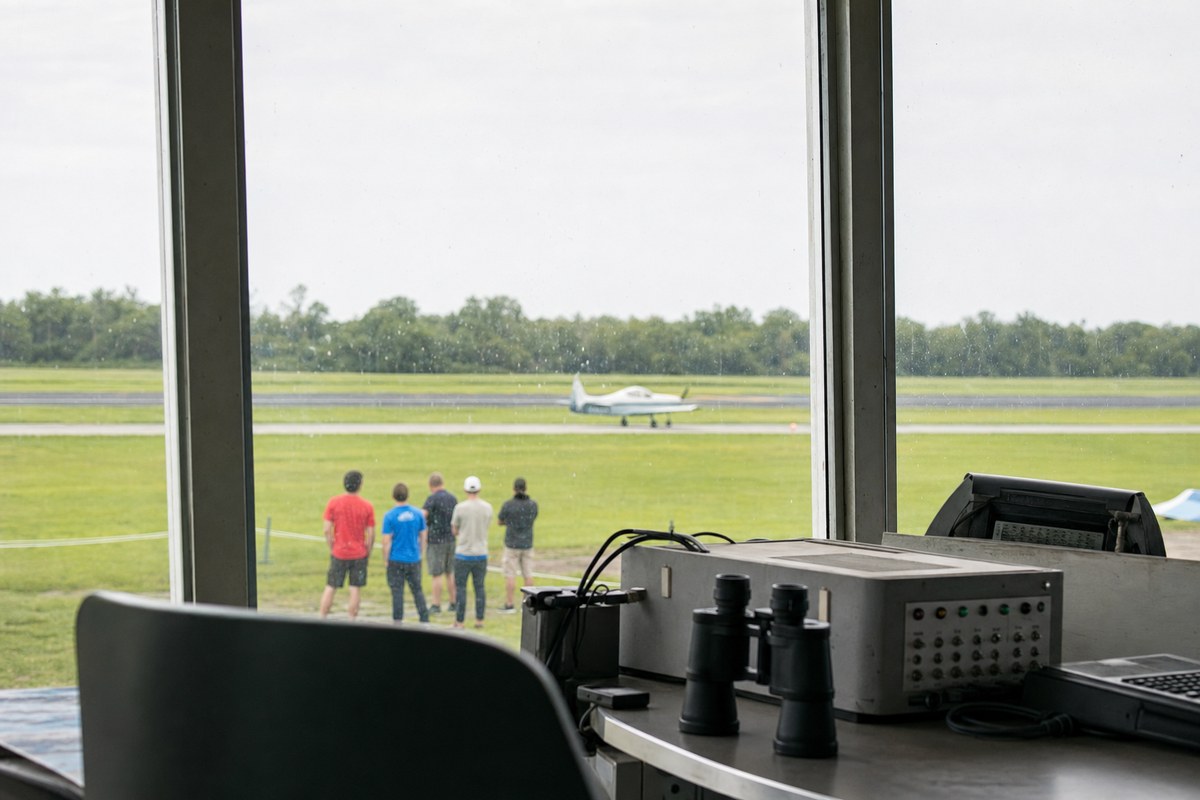
The championship opened Sunday with a parade and ceremony in nearby Clear Lake. Pilots compete individually inside a designated aerobatic box, where judges score the accuracy and quality of their maneuvers, deducting points for any errors. Four flight programs are scheduled through September 1, followed by a freestyle final on September 2. U.S. team pilot Goody Thomas said competitors have spent years preparing for the event, telling local station KTTC, "We're prepared, I'm feeling good. We're ready to get going."
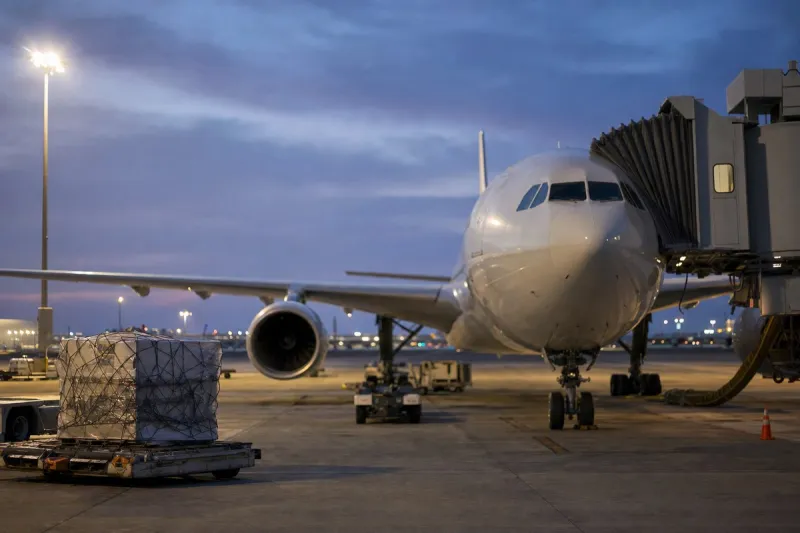
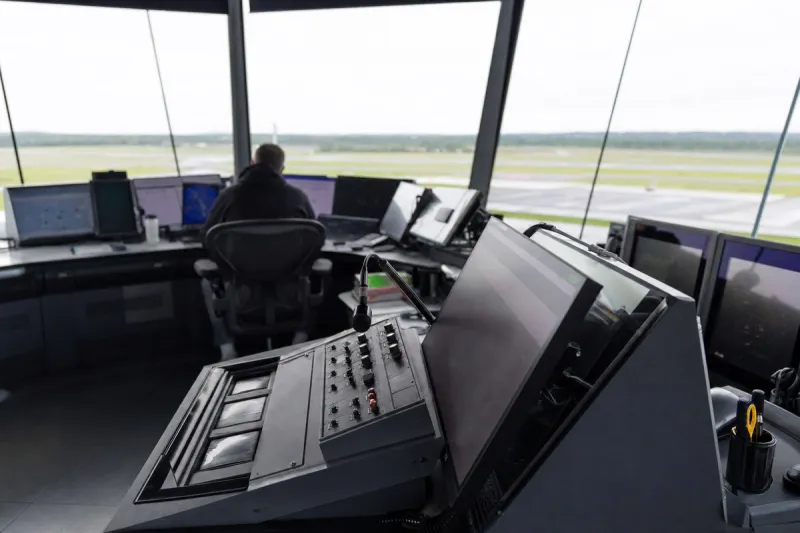
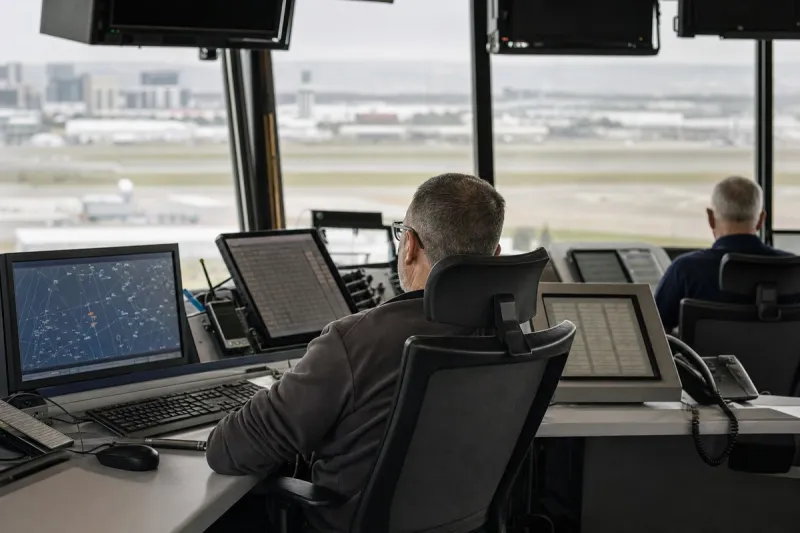
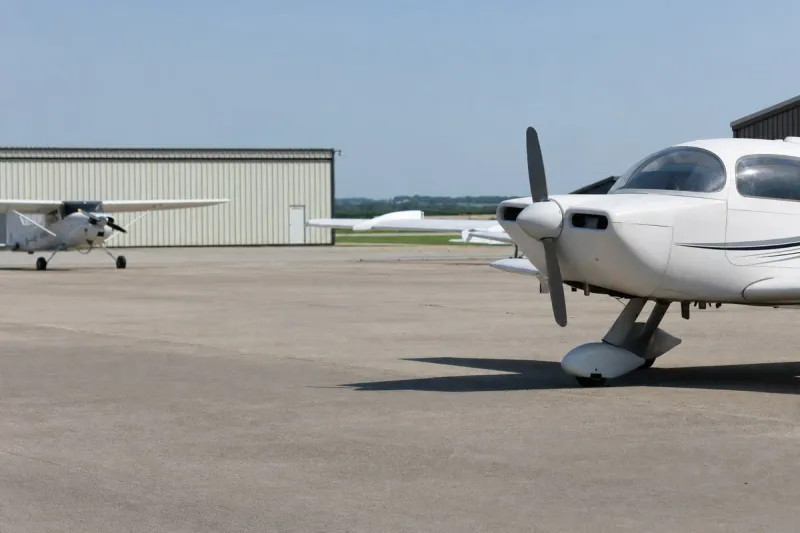
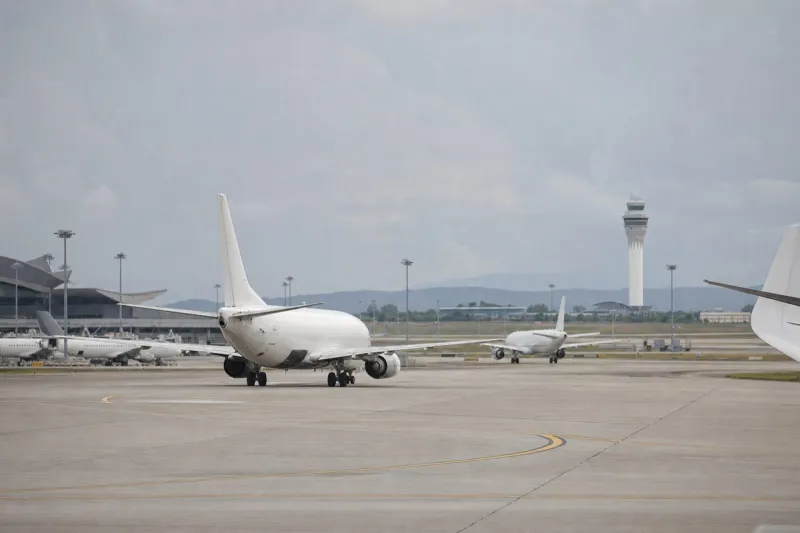
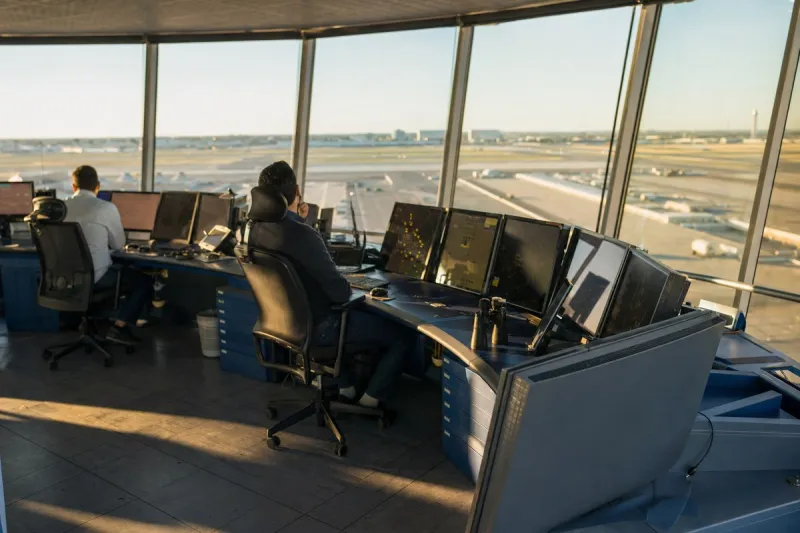
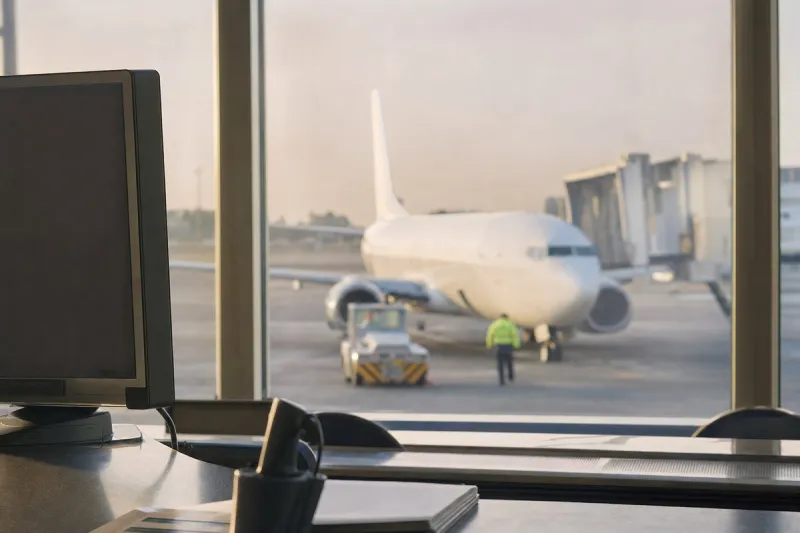
Mason City Municipal Airport will remain open to private and commercial traffic throughout the championship. An airboss will monitor the common traffic advisory frequency and may direct aircraft to hold or remain clear of the aerobatic box while it is active. Touch-and-go operations will not be available during the event, and pilots planning to fly in are advised to contact the FBO in advance due to potentially limited ramp space. Many international competitors transported their aircraft to Iowa by cargo ship, partially disassembled and packed into shipping containers, then reassembled, inspected, and test-flown at Mason City ahead of the competition.
How it unfolded
Freestyle final concludes the competition.
Four flight programs are scheduled at the aerobatic box.
Championship opened with a parade and ceremony in nearby Clear Lake.
Industry impact & what to watch
Events like this show how a general aviation airport manages shared airspace between a scheduled competition and ordinary traffic without shutting down operations. An airboss coordinating the common frequency, a defined aerobatic box, and advance notice to arriving pilots let a working airfield host a specialized flying discipline alongside routine business and private movements.
The logistics behind the competition also point to how niche aviation segments move specialized equipment across borders: aircraft partially disassembled, shipped by container, then reassembled and test-flown on arrival. That process underscores how aerobatic aircraft, unlike most business aircraft, rely on sea freight and local reassembly rather than flying themselves to an event.
What happens through the remaining flight programs and the September 2 freestyle final will determine which pilots and nations place, but the immediate operational story is the airport's ability to keep both competition and normal traffic moving through September 2.