Aviation Africa 2026 Summit to Focus on African Airport Infrastructure on September 10
Why It MattersAfrican airport capacity is increasingly framed as a financing and operations question, with public-private funding models and technology-led efficiency gains treated as levers alongside physical construction.
What happened
African airport infrastructure will be the focus of a dedicated session at the Aviation Africa Summit and Exhibition on Thursday, September 10, 2026. The session will bring together representatives from ICAO, Kenya Airports Authority, Dakar Airport, Swissport Kenya, SITA and Washington Metropolitan Airports Authority to examine whether the continent's runways, terminals, ground operations and airspace can keep pace with expected aviation growth.
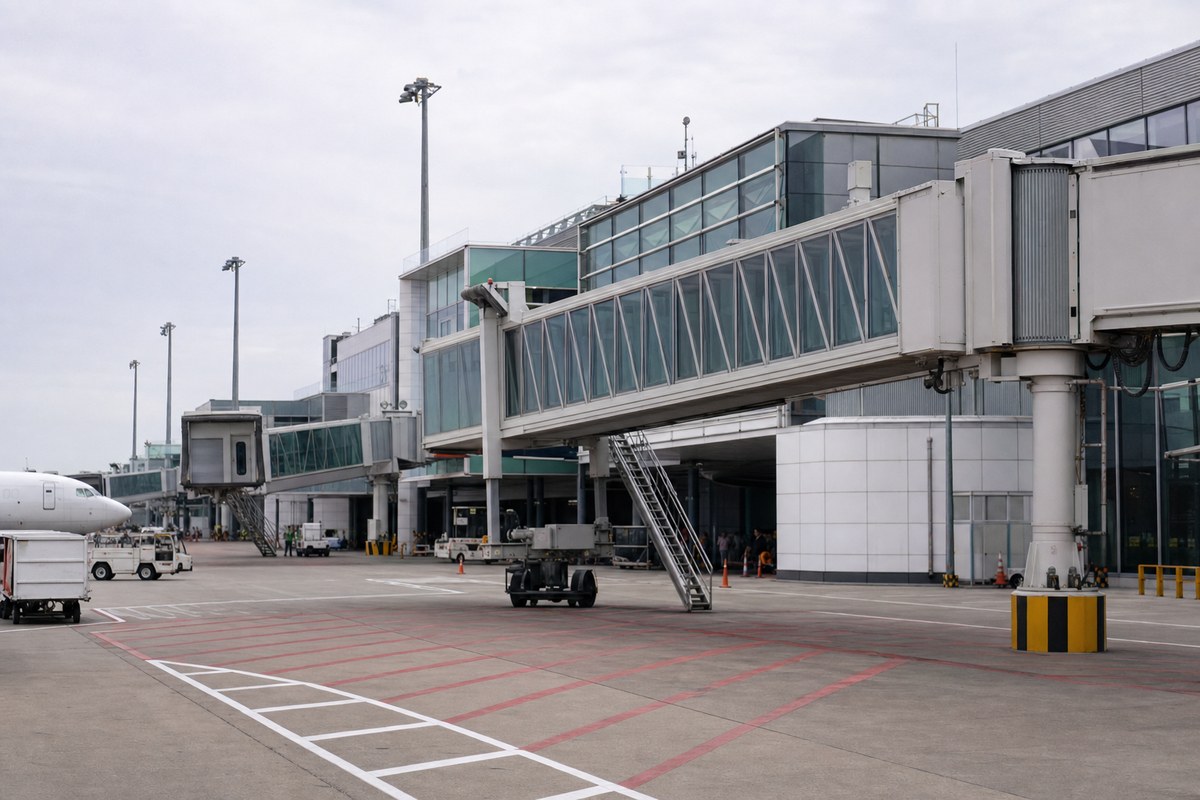
The agenda includes financing for next-generation airport infrastructure, the viability of public-private partnerships as an investment model, and the balance between treating airports as national infrastructure versus commercial assets. Regulatory fragmentation and airport charge-setting that recovers investment without pricing out airlines and passengers are also listed topics. Discussion will cover how airports can deploy artificial intelligence, automation and operational data to expand capacity without relying solely on new physical construction, along with apron efficiency, aircraft turnaround times, and challenges in recruiting and retaining skilled ground handling workers.
Airspace management and coordination will also feature, with better use of available airspace described as a potential capacity lever that avoids major construction. Ethiopia, Rwanda, Kenya (Nairobi), Morocco and South Africa are named as markets currently investing in infrastructure and international connectivity. The session will look ahead to what African airports will need by 2035 and beyond, combining physical expansion with improved technology, more efficient operations, stronger regulation and better intra-continental connectivity.
Industry impact & what to watch
The session groups a familiar set of constraints — financing, ownership structure, regulatory fragmentation and workforce supply — under a single infrastructure conversation, rather than treating each as a separate problem for individual airports to solve alone. Framing public-private partnerships and commercial-versus-national-asset status as open questions signals that funding models for African airports remain unsettled even as named markets such as Ethiopia, Rwanda, Kenya, Morocco and South Africa proceed with their own investment programmes.
In airport infrastructure generally, capacity can be added either through physical construction or through operational levers — automation, data-driven turnaround management and better airspace utilisation — and the choice between them depends on financing availability and regulatory clearance, both flagged here as unresolved across the continent. Ground handling labour supply is raised alongside apron efficiency, tying workforce recruitment directly to how fast turnaround times can improve without new terminal or runway capacity.
What follows depends on what the named participants — ICAO, the two airport authorities, Swissport Kenya, SITA and Washington Metropolitan Airports Authority — commit to or propose during the September 10 session itself, since no financing structure, regulatory reform or technology deployment has yet been announced.