Pratt & Whitney Canada Unveils PT9 Turboprop With No Named Aircraft Application; Analysts Weigh Likely Homes
Why It MattersA new 1,700-2,300 shp engine class between the PT6 and PW100 families, set against GE's Catalyst, signals intensifying competition for the premium single-engine turboprop segment.
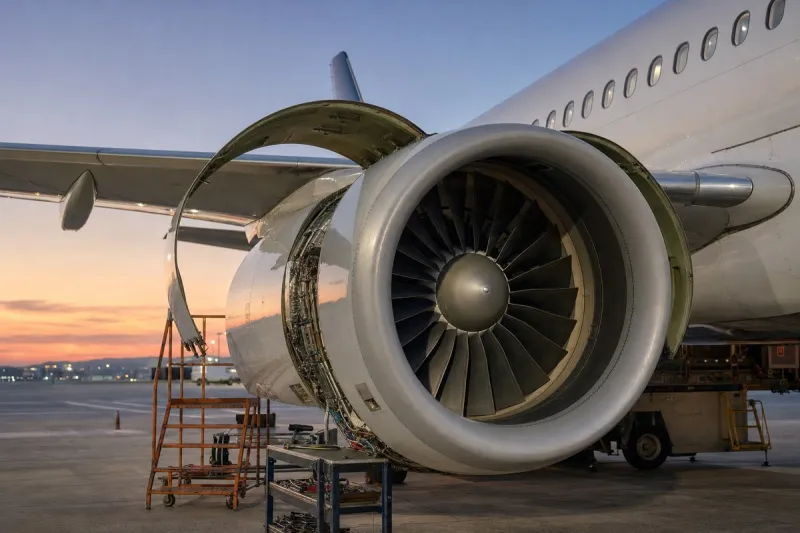
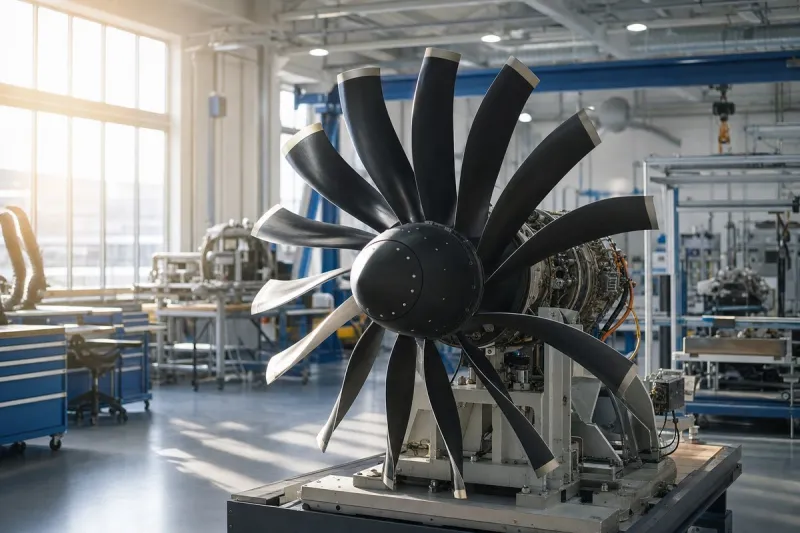
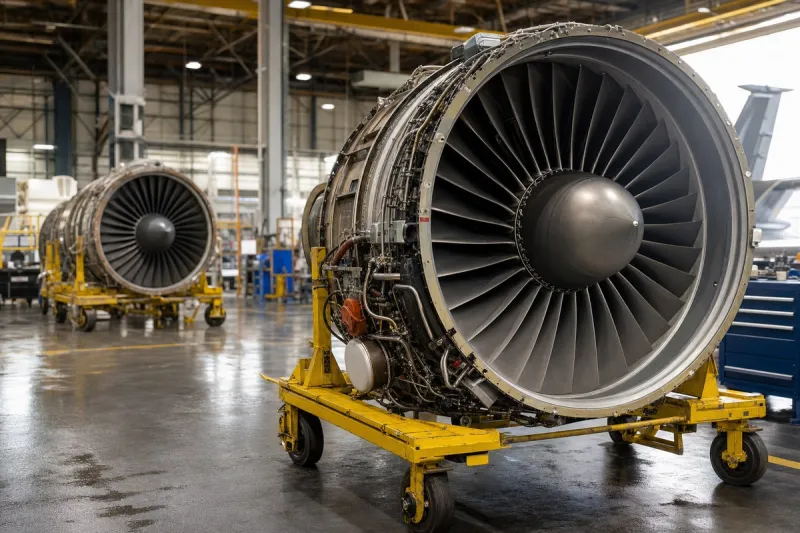
Pratt & Whitney Canada (P&WC) introduced its new PT9 turboprop engine at the 2026 NBAA Business Aviation Convention & Exhibition, with Transport Canada certification already in hand. P&WC says the clean-sheet engine delivers 33% more power at altitude while cutting fuel consumption by 20% compared with previous-generation engines. It has advanced digital engine controls and a modular architecture intended to accommodate future applications, and the single darkened image P&WC released appears to show the same reverse-flow combustor configuration as the PT6. P&WC is still pursuing FAA and EASA certification.
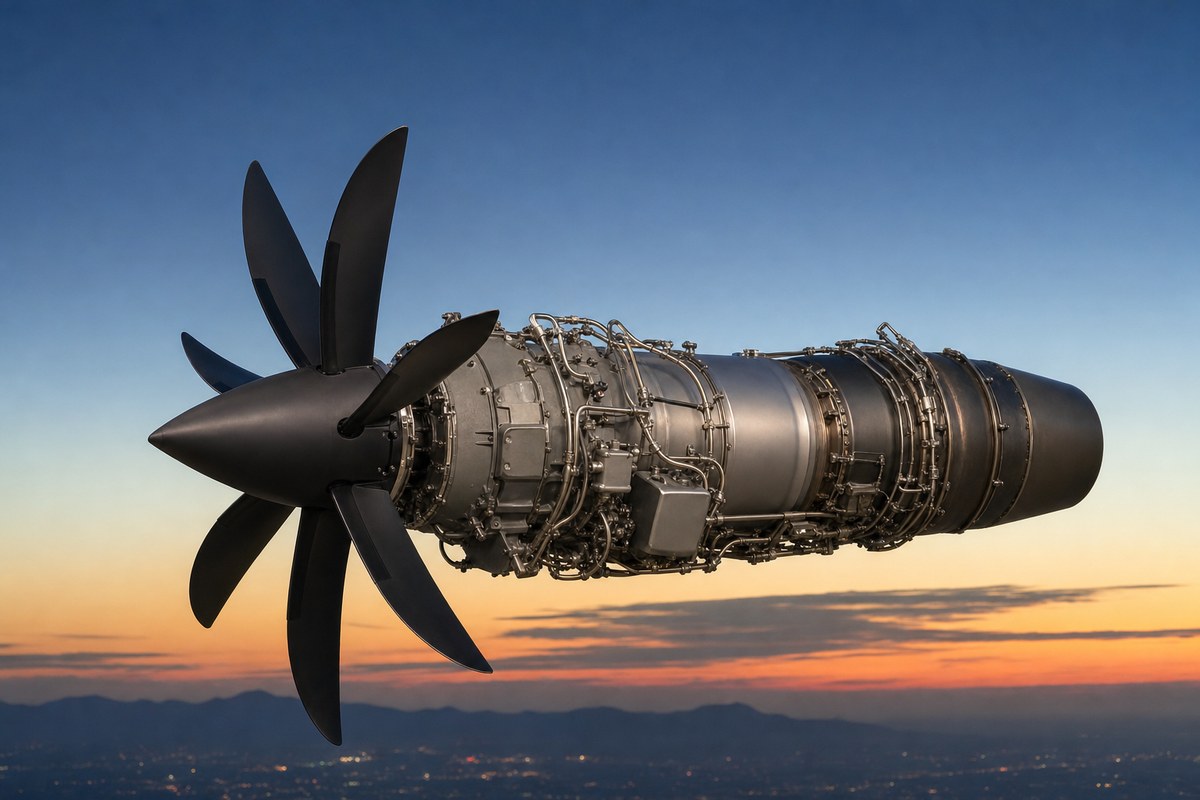
P&WC has not named an aircraft application or launch customer. The target power range is approximately 1,700-2,300 shaft horsepower, between the PT6 family and the company's PW100-series turboprops. Richard Aboulafia, managing director of AeroDynamic Advisory, said he did not think there was much of a gap, but that P&WC would not make such an investment without a clear line of sight to an application. Douglas Royce, a senior aerospace analyst at Forecast International, agreed that the engine would not have been developed without an intended application.
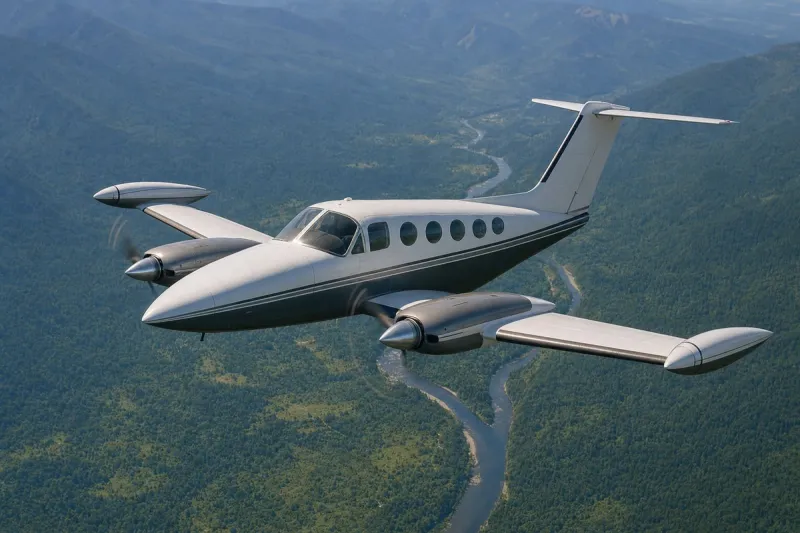
Aboulafia identified an upgraded Pilatus PC-12 as among the most likely launch platforms, as P&WC looks to defend its position against the GE Aerospace Catalyst engine that powers Textron Aviation's upcoming Beechcraft Denali. GE Aerospace describes the Catalyst as aimed at the 1,200-1,400 shp range, so the PT9's range begins just above it. Royce instead sees an opportunity for a new class of larger single-engine turboprops able to take over missions currently flown by twin-engine aircraft, with single-engine economics similar to the PC-12 and Cessna Caravan.
P&WC has said the PT9 is not a replacement for the PT6 and that the older engine has many years ahead of it. Royce noted that the PT6's customer base, maintenance infrastructure and support network are significant advantages.