UK Travel Buyers Urged to Fund Journey Connections Before Air-Taxi Integrations, With Bounded Trials for Aerial Access
Why It MattersAir-taxi hype is meeting procurement discipline: buyers are being pushed to demand full fares, transfers and disruption terms before aerial access becomes a core travel-technology requirement.
An opinion piece argues that British travel technology buyers should fund reliable connection handling before paying for dedicated air-taxi integrations. It says aerial access should be treated as a bounded trial rather than a core procurement requirement until suppliers can show the complete fare, transfers and disruption arrangements.
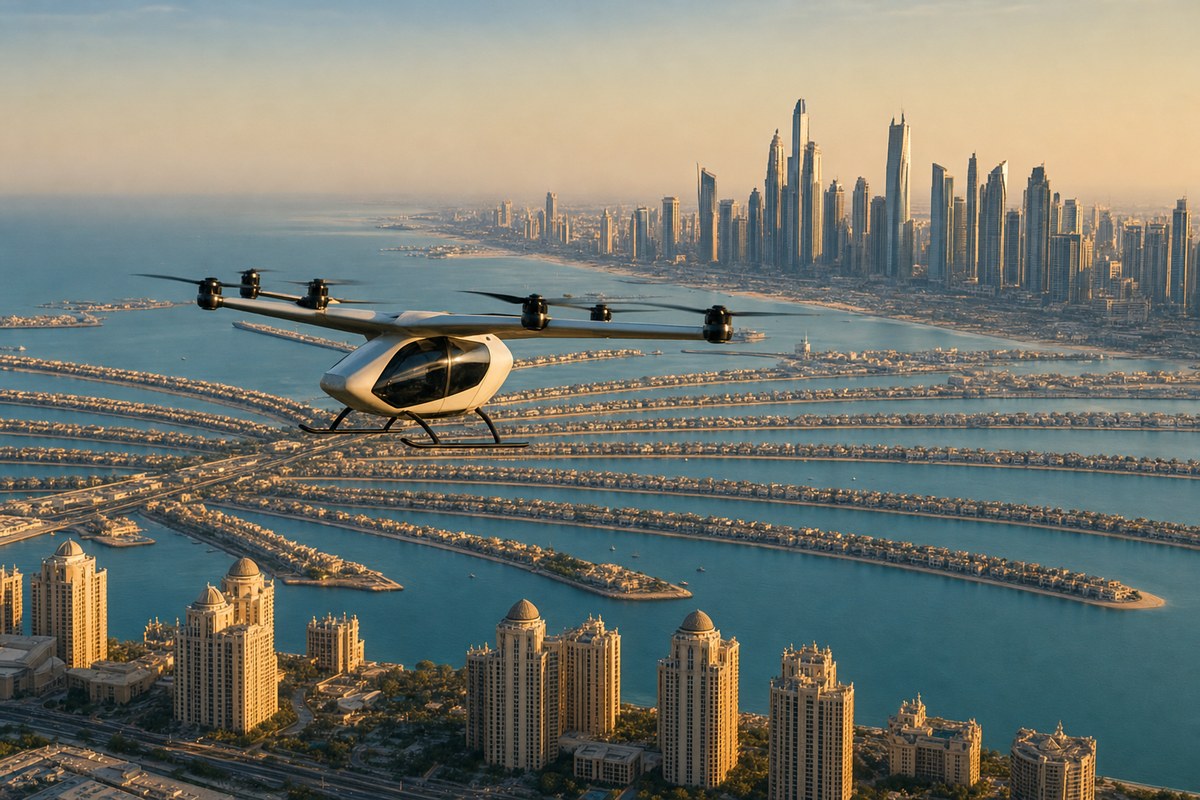
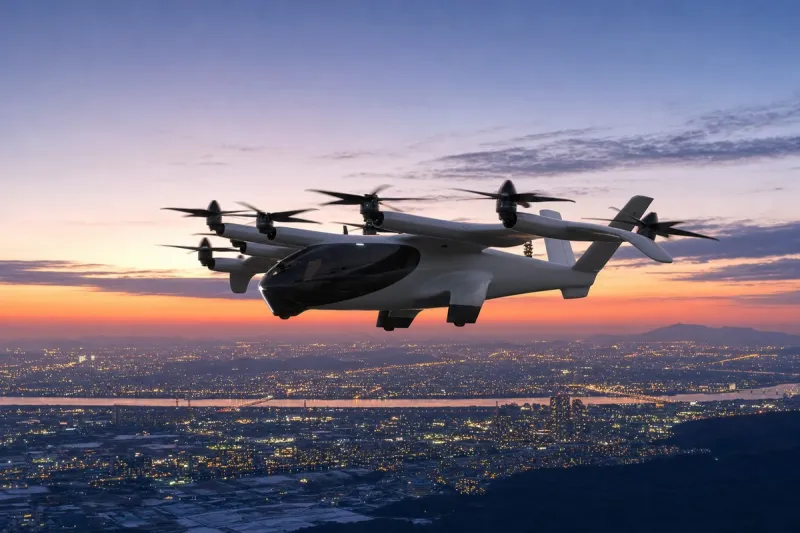
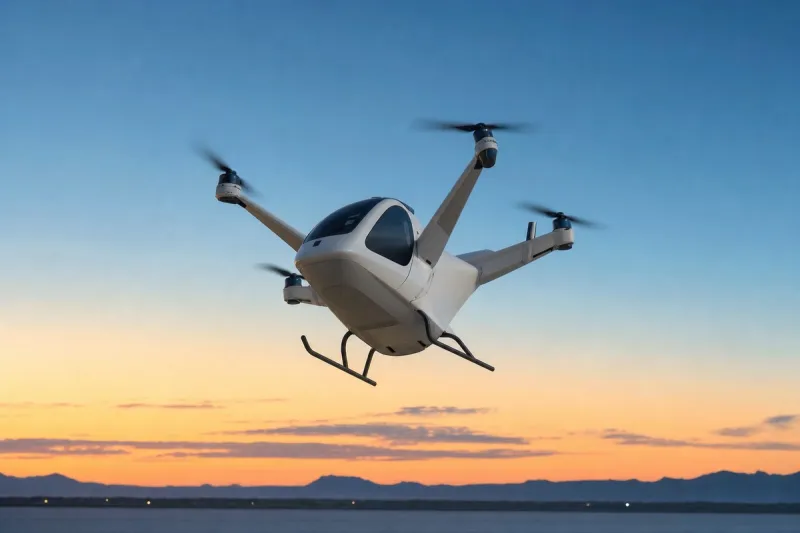
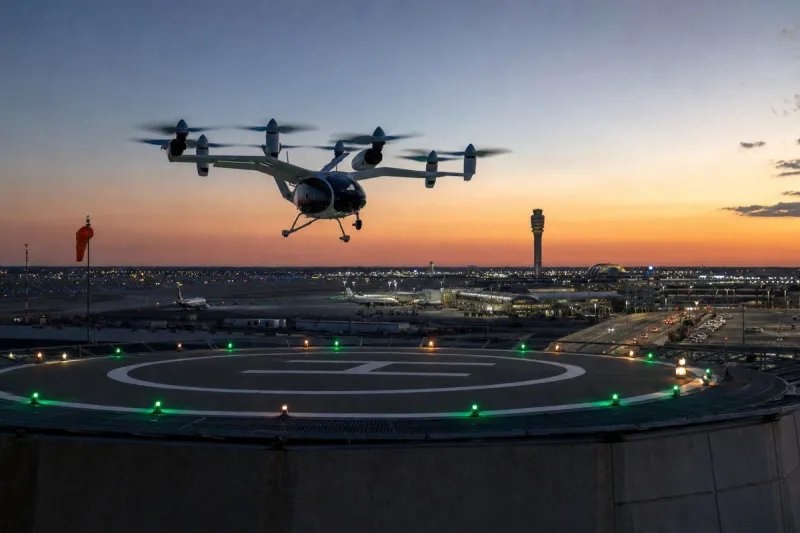
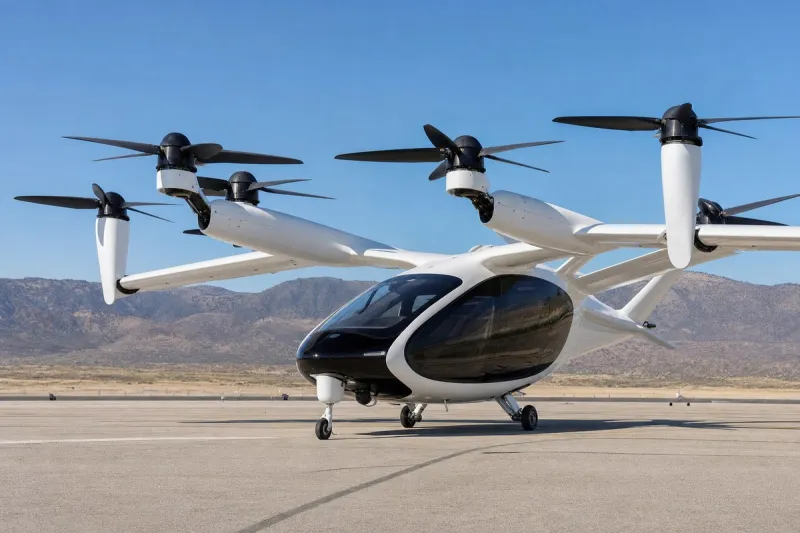
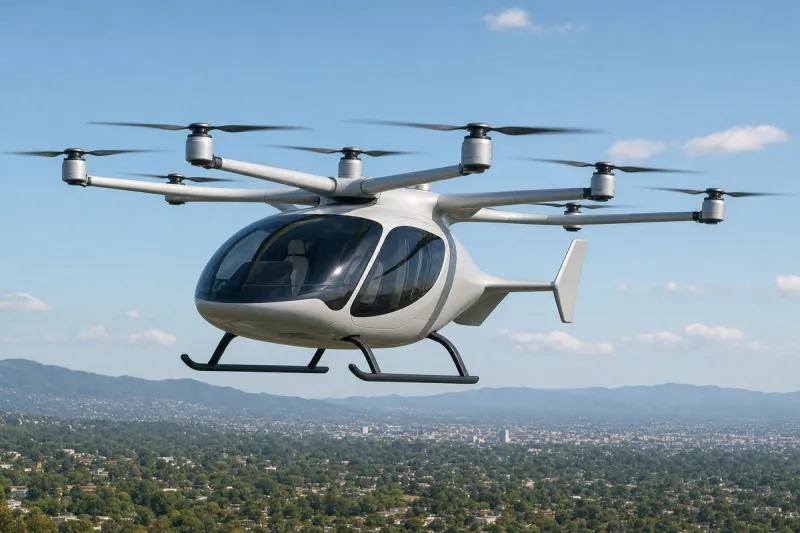
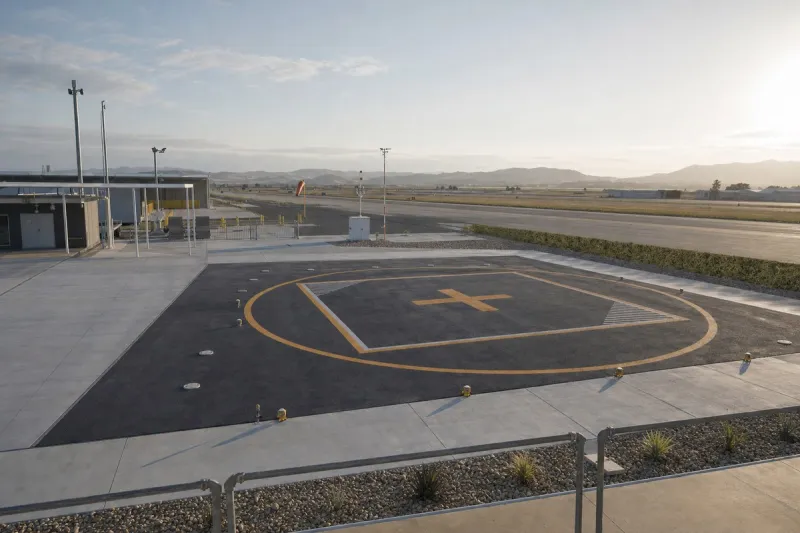
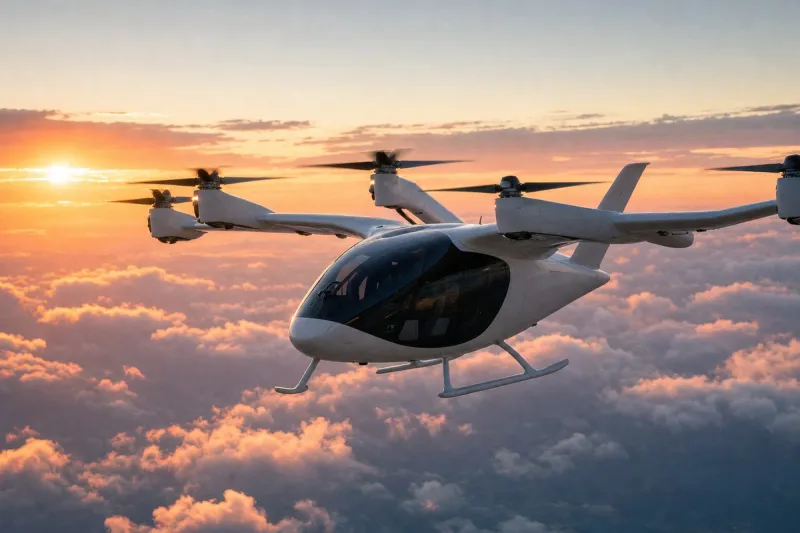
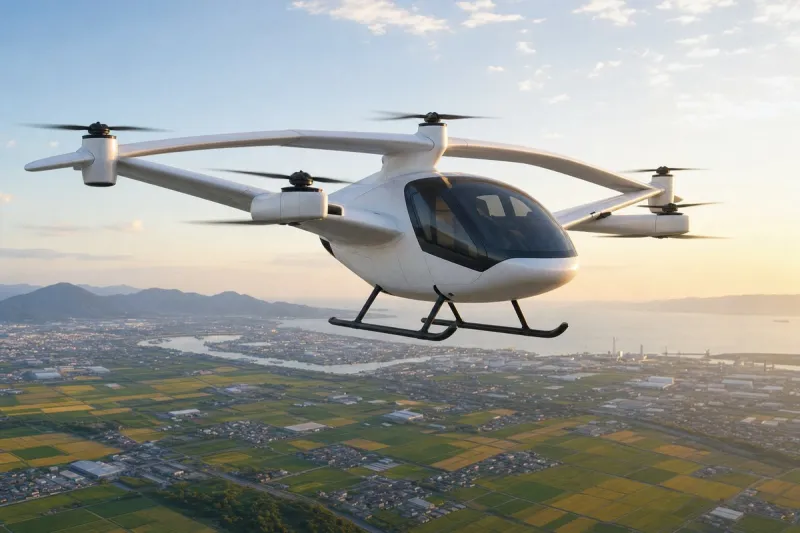
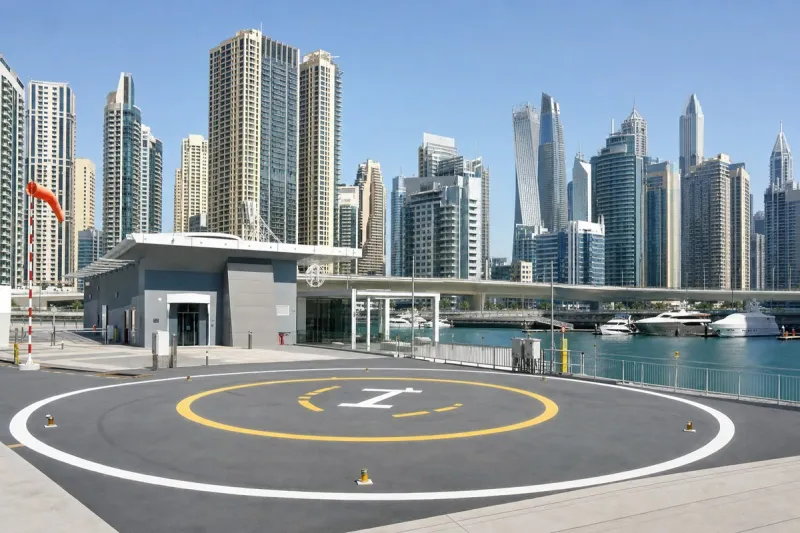
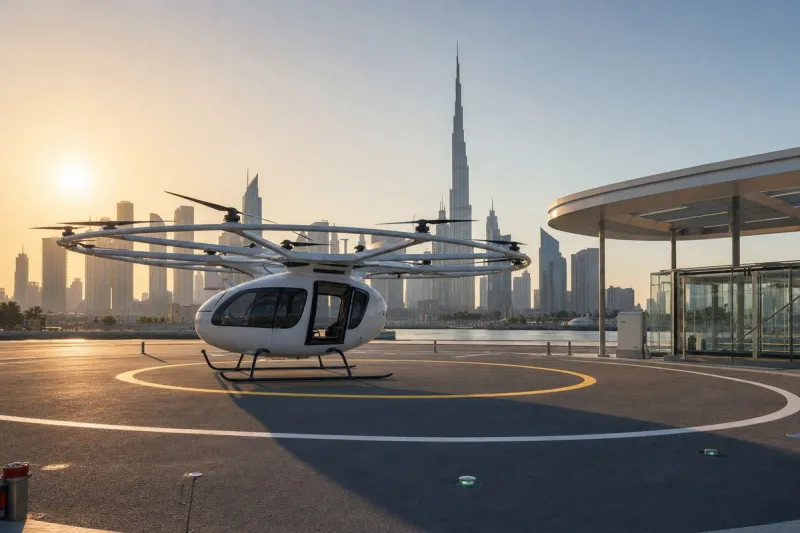
The piece centres on Dubai. The emirate's Roads and Transport Authority (RTA) project page describes an aerial taxi planned for 2026, with initial vertiports near Dubai International Airport, Downtown, Dubai Marina and Palm Jumeirah. The aircraft would carry four passengers plus a pilot, with a range of 161 kilometres at 321 kilometres per hour. The RTA cites a 10-minute flight from Dubai International Airport to Palm Jumeirah, against 45 minutes by car. The article argues this airborne duration does not establish door-to-door savings.
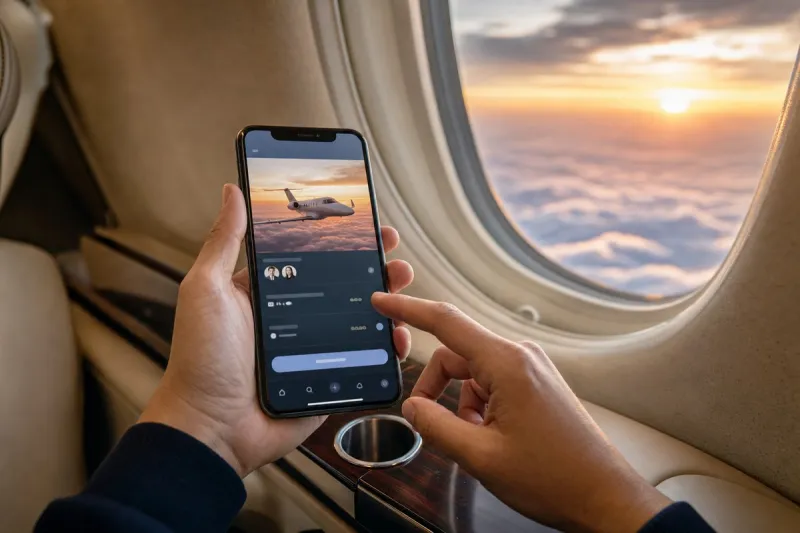
During an April site visit, The National reported a Skyports target of no more than ten minutes from check-in to departure, with heavier luggage travelling by road, and journey pricing had not yet been confirmed. The article treats these as reported plans and statements, not measured commercial results. A Skyports announcement dated 16 April 2026, reproduced by AeroMorning on 18 April 2026, describes the technical completion of the Dubai airport vertiport, access to Emirates Metro Station, Joby Aviation's dedicated booking app and automated check-in.
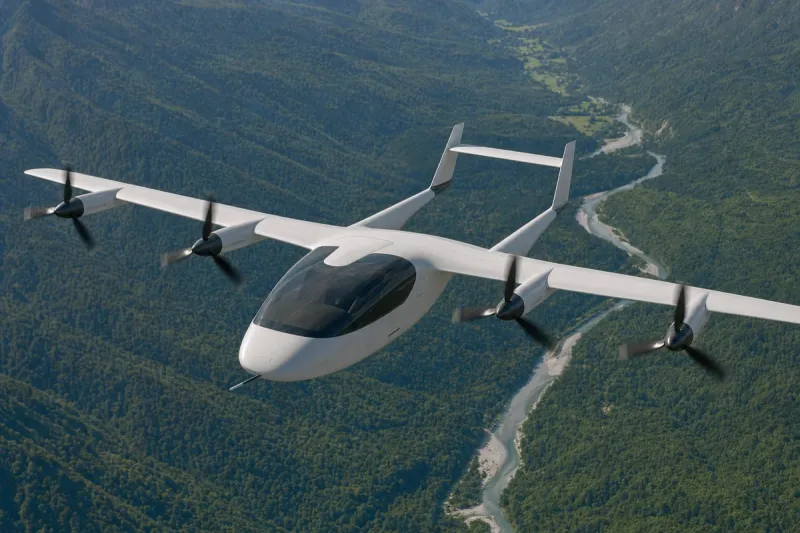
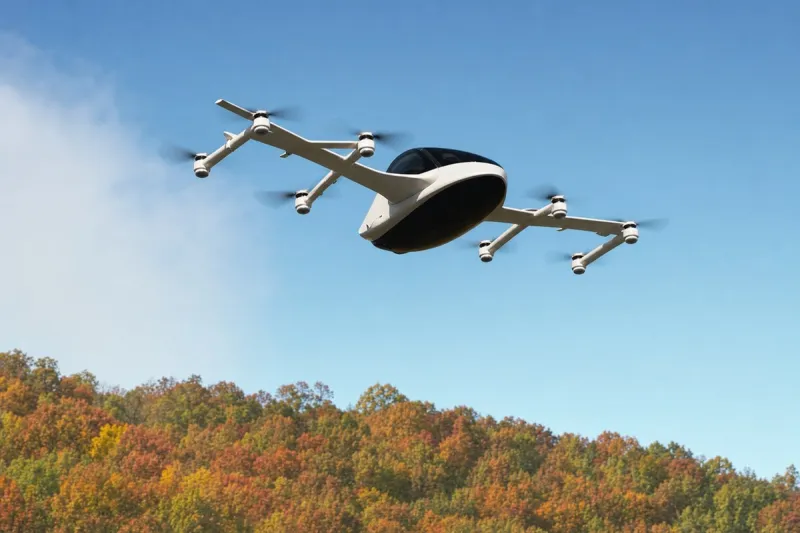
On the UK side, the Civil Aviation Authority (CAA) has set out an ambition for a framework enabling commercial electric vertical take-off and landing flights by the end of 2028. The article describes this as a regulatory programme, not a reservation for a particular aircraft, route or departure. It also cites Vertical Aerospace's September 2025 statement, published by Vertical Mag, on working towards VX4 certification in 2028, and says that manufacturer target does not show whether a business can obtain bookable seats, integration access or disruption support.
The author recommends making complete journey time the acceptance test, requiring a ground-only comparison for the same destination, arrival deadline and baggage, and asking who pays for replacement transport when a connection fails. Trials should address a named uncertainty with a spending limit and stopping condition. Buyers should request implementation and maintenance charges, booking and payment costs, change and refund terms, and the scope of customer support, and should keep experimental spending separate from essential platform improvements.