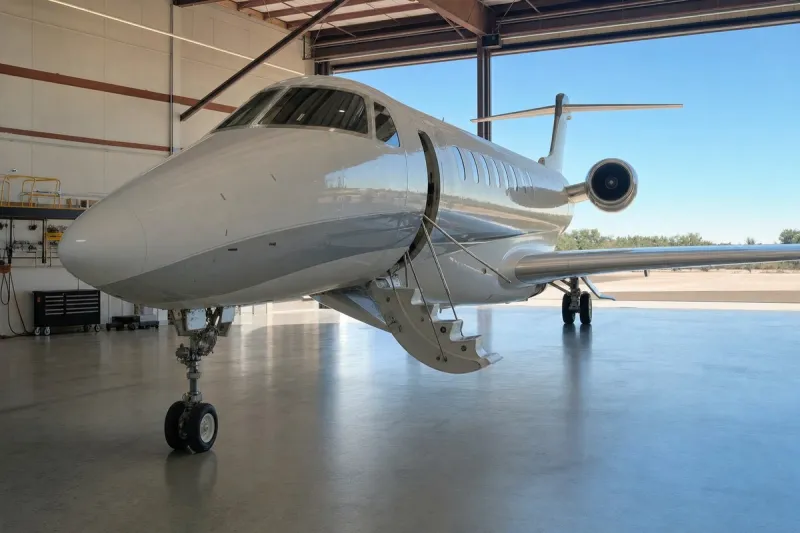
Sky Harbour Reports Hangar Re-Lease Rents About 20% Higher as Campus Occupancy Ranges From 57% to 132%
Why It MattersRent step-ups on re-leased space point to tight dedicated business-aircraft hangar supply, where operators with campuses in high-demand airports hold pricing leverage over tenants.
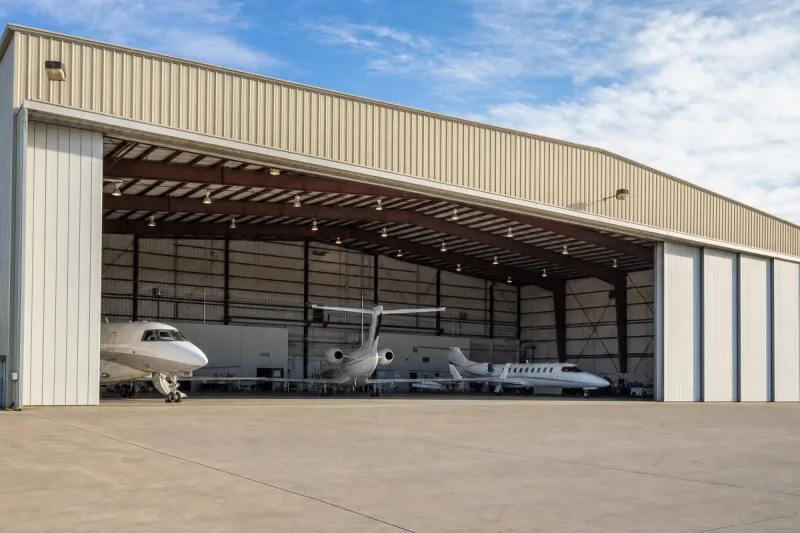
Sky Harbour, which builds and leases hangar campuses for business aircraft, reported third-quarter results on Nov. 10, with revenue up about 45% from a year earlier. On the earnings call, CEO Tal Keinan said a hangar that comes up for re-lease goes at an average of about 20% above the rent it had reached by then. Leases rise each year by CPI with a 4% floor, and the next lease on the same space starts roughly 20% higher. The company's release calls this "an increasingly predictable schedule of step-ups in revenue and NOI."
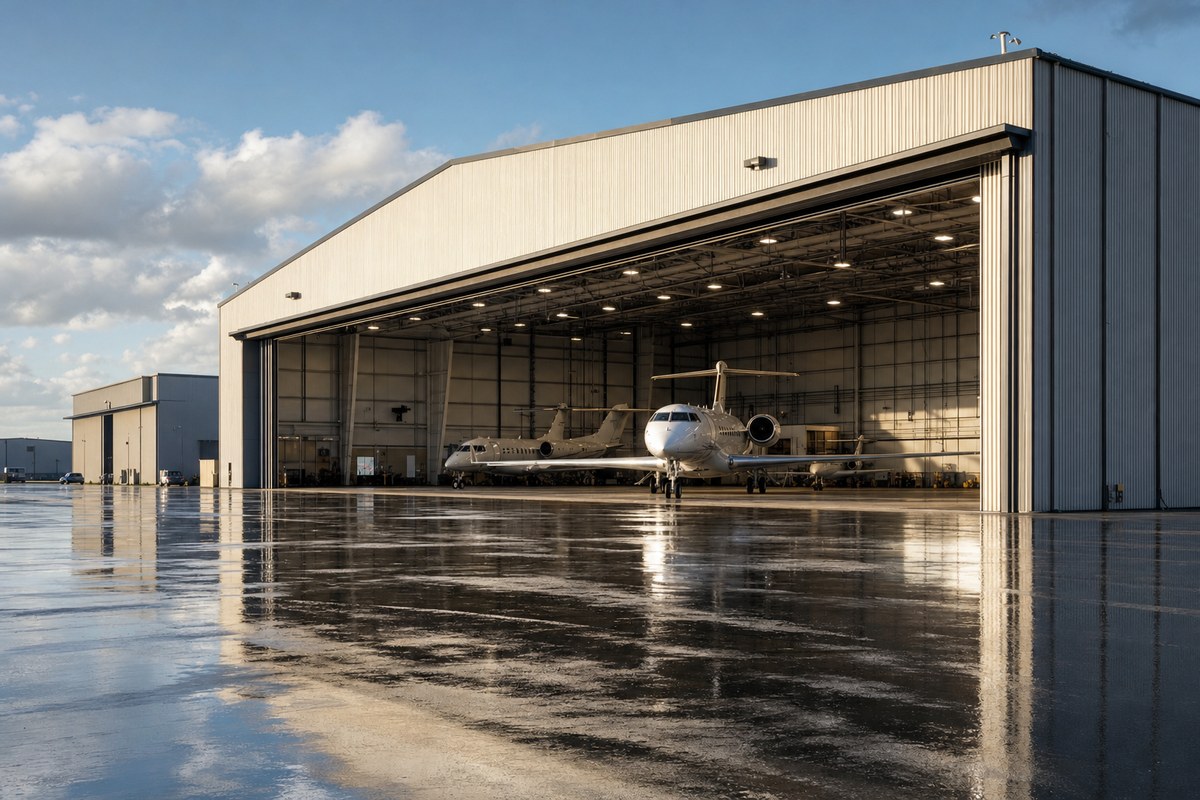
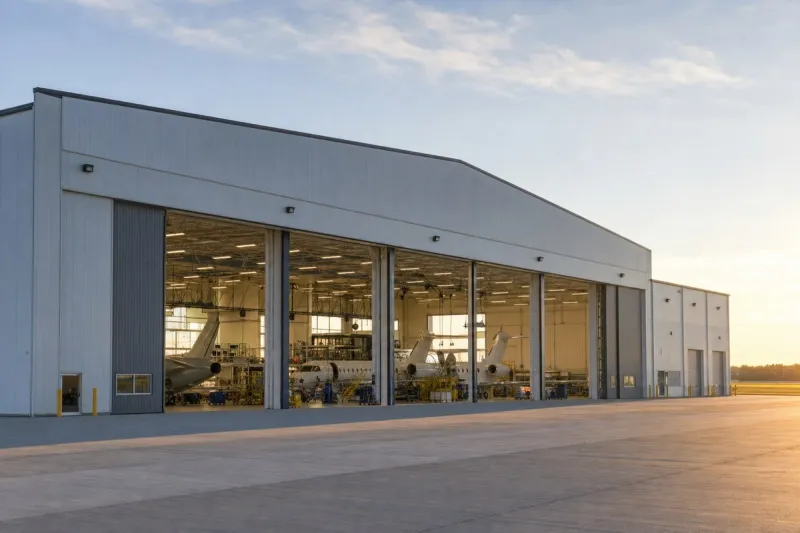
San Jose's second phase, not yet built, is 100% pre-leased, and Keinan said there is a very long waiting list in San Jose and Miami. Sky Harbour measures economic occupancy as the square footage of aircraft under lease divided by a campus's rentable square footage. The figure can exceed 100% in semi-private hangars because aircraft can be stacked and those leases are priced differently. San Jose's Phase 1 reported 100% occupancy and 131.7% economic occupancy at the end of June. Denver is the slowest campus to fill, at 57% economic occupancy, up from 44% in May and August. Keinan said a first phase in a market where Sky Harbour isn't yet known takes longer, citing 14 months to lease up Miami's first phase and 18 months in Nashville, and said he wishes Denver would move faster.
Keinan described the company's approach to a new campus as filling hangars quickly at reasonable rent on short terms, then repricing toward stabilized rents as those leases roll. He called Bradley International Airport, a market where Sky Harbour has never operated, the big test of how fast a new campus can fill.
Sky Harbour raised its revenue guidance for the year to a $44 million to $48 million annualized run rate, up from $42 million to $46 million. It cut its adjusted EBITDA guidance to break-even to $4 million, down from $4 million to $6 million. CFO Francisco Gonzalez attributed the cut to timing: the delayed opening of Addison Phase 2, now expected in February 2027, and costs ahead of opening at Bradley International Airport.