MRO AI Startup ArcheanX Seeks to Turn Early Aviation Inspection Work Into Lasting Industry Presence
Why It MattersBy running on ordinary phones and tablets, AI-assisted visual inspection could spread beyond MRO hangars into preflight walk-arounds, shifting who performs a first-pass check before a mechanic signs off.
What happened
ArcheanX, a startup founded by former automotive program design engineer Harish Kumar, has developed an AI-powered aircraft inspection tool that runs on off-the-shelf smartphones and tablets. Kumar previously worked in software development in Silicon Valley and launched ArcheanX after a broken windscreen left him stranded at an airport, an incident that sparked his interest in aviation maintenance.
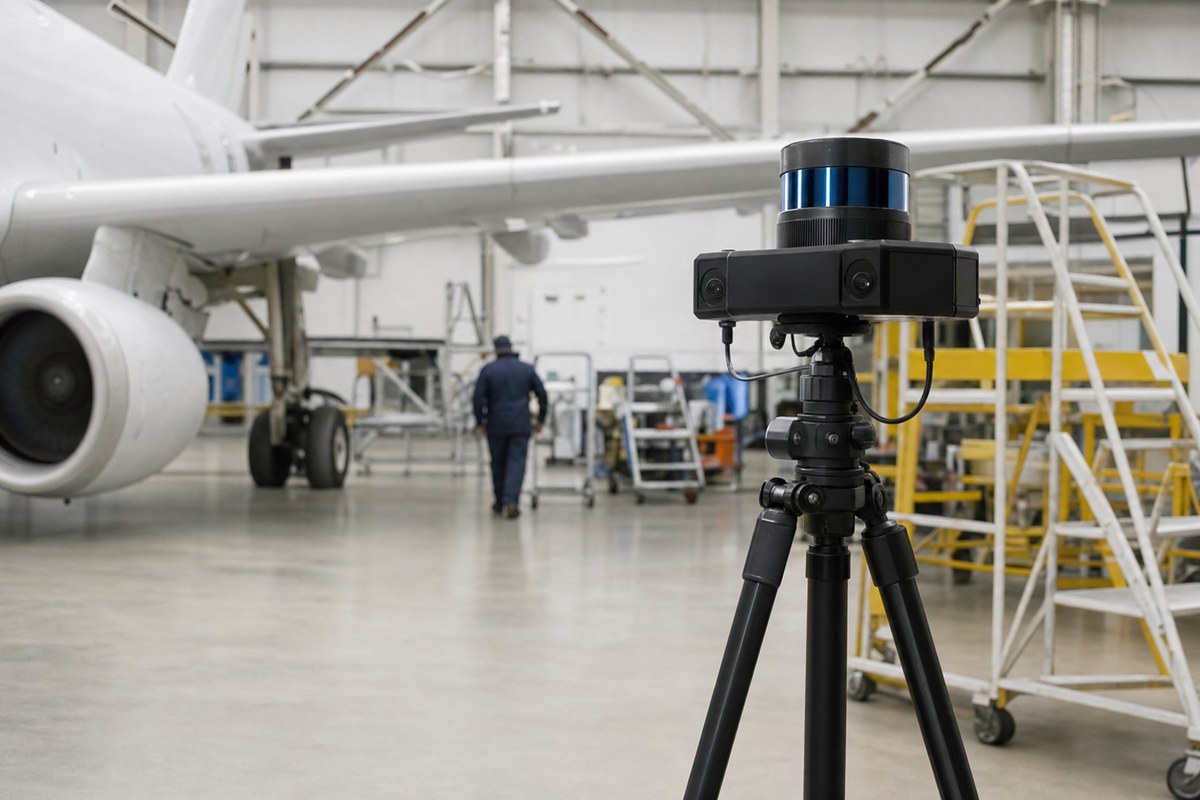
The company built a vision-language model trained on aviation-specific data, covering tasks such as rivet identification and damage tolerances on specific aircraft models. The software captures high-resolution video and LiDAR three-dimensional maps, which the AI engine then analyzes to highlight potential issues for mechanic review during exterior walk-around inspections. Kumar described the system as a "second set of eyes" for technicians; it does not make go/no-go airworthiness decisions, which he identified as a significant regulatory hurdle for AI tools in maintenance.
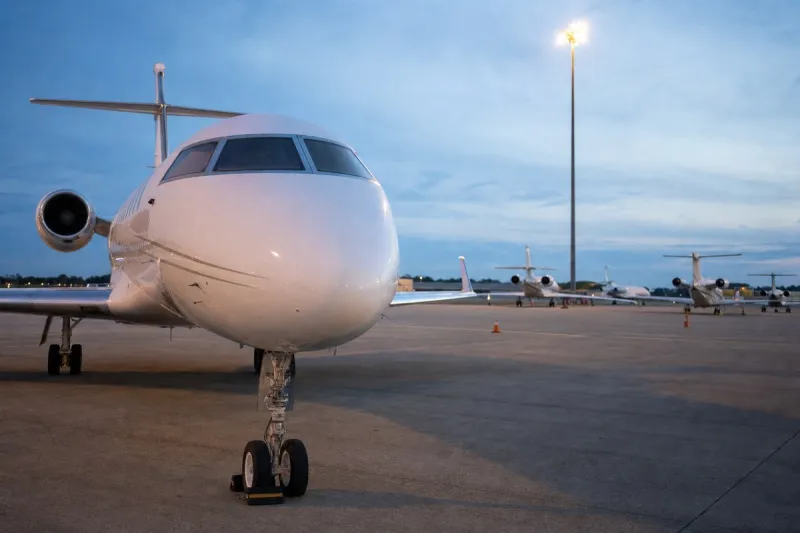
Demonstrated capabilities include landing gear checks, tire tread assessment, and missing rivet detection. The tool requires no dedicated equipment purchases because it runs on existing hardware, and Kumar said training costs are minimal. It can also be used outside traditional MRO facilities, including during pilot preflight walk-arounds. Kumar said several air transport and business aviation MRO providers are currently evaluating the tool, one major airline is assessing it for inspecting brand-new aircraft immediately upon delivery, and a U.S. military contractor has integrated ArcheanX's core software with its own technology as part of an autonomous aircraft visual inspection pilot program at a major U.S. military base, an agreement that has not been officially disclosed. No formal customer announcements have been made public, though Kumar said he expects announcements soon.
Industry impact & what to watch
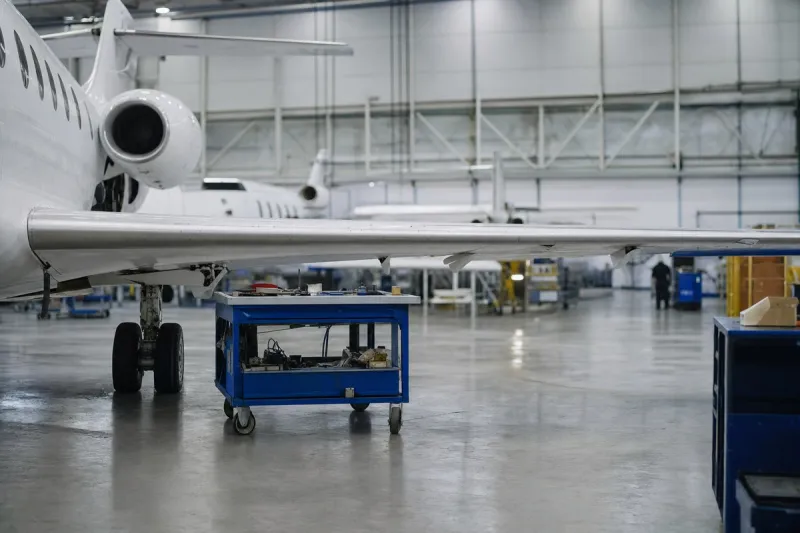
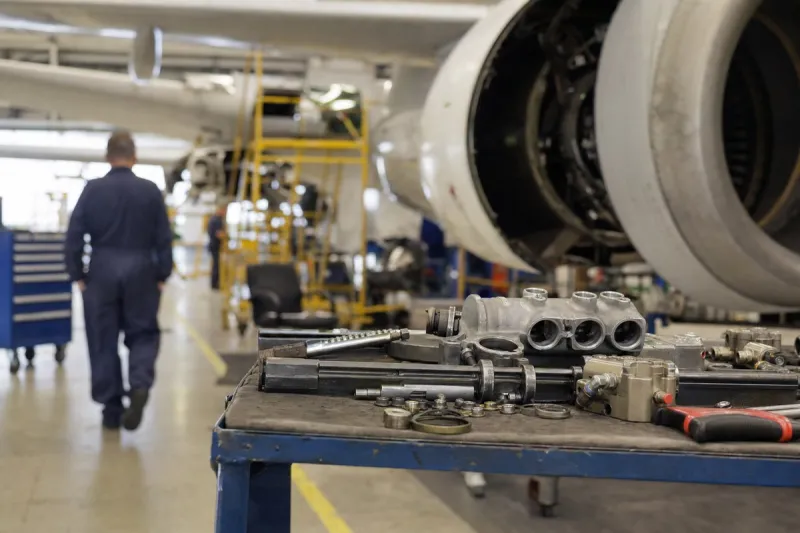
The pitch here is speed and cost: a vision-language model running on hardware technicians already carry, applied to a walk-around step that has always depended on a human eye and a flashlight. Aviation maintenance has been slow to adopt computer vision because certification for airworthiness decisions is a high bar, so vendors are positioning these tools as an aid alongside the mechanic, not a replacement for the sign-off.
MRO economics reward anything that shortens turnaround without adding capital cost, which is why a phone-based tool evaluated by multiple providers and one major airline is worth watching even before any deal is disclosed. The military integration signals a parallel track: defense contractors piloting autonomous visual inspection at a base, separate from the commercial certification path civil operators would need.
The next marker is Kumar's promised formal customer announcements, which would show whether any MRO provider, the unnamed airline, or the military program moves from evaluation to a signed, disclosed commitment.