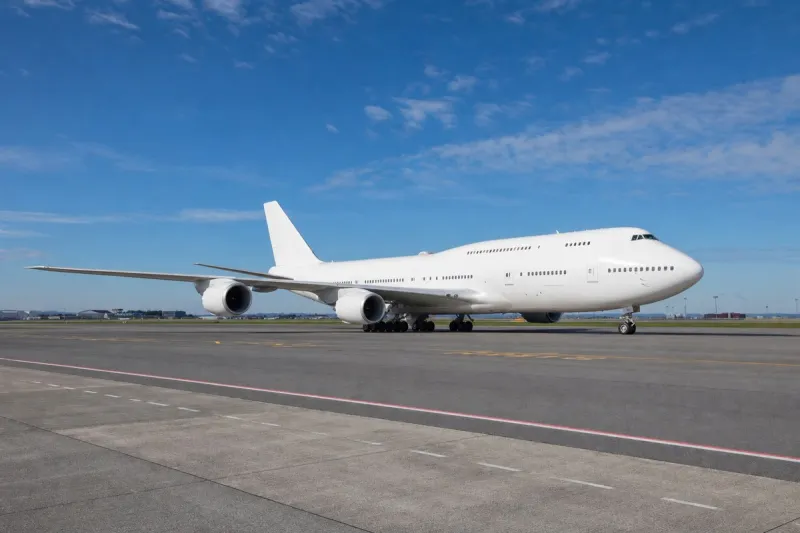
Pratt & Whitney PW4000 Engine Demand Surges as Operators Plan Extensions Into Late 2030s and 2040
Why It MattersSustained demand for a decades-old engine platform signals aging widebody fleets will remain in service far longer than expected, straining MRO capacity and used-parts supply chains.
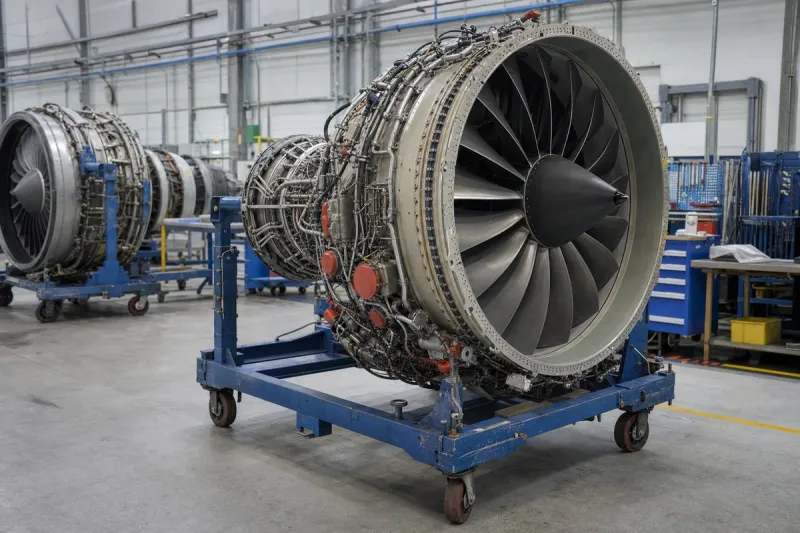
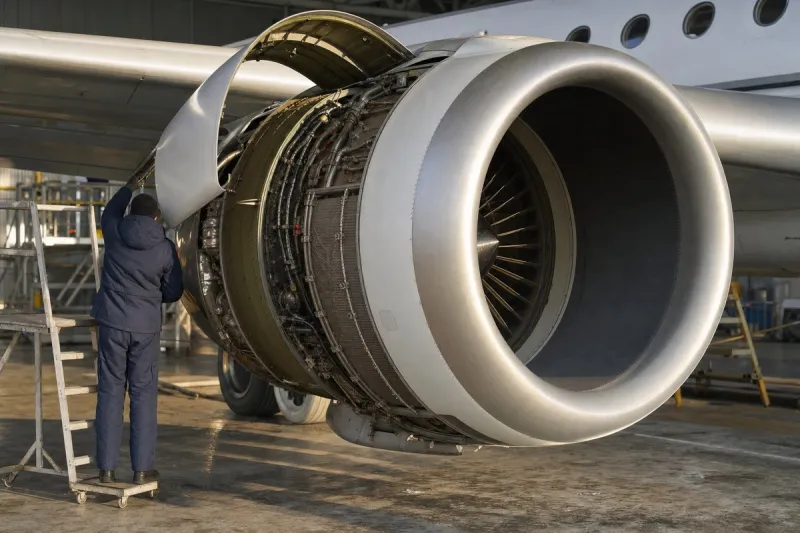
The Pratt & Whitney PW4000, a mature engine powering early-model Boeing 777s and Airbus A330s, is experiencing a surge in maintenance demand that has surprised both MRO providers and the manufacturer. SR Technics, a Swiss-based MRO, began seeing increased shop visits roughly two years ago after expecting the fleet to be sunsetting; monthly maintenance requests grew from two to three up to four or more, and at times five or more, according to Bo Lump, the company's senior vice president of business development, speaking at Aviation Week's AeroEngines Europe conference. SR Technics invested in a dedicated facility, employee training and materials to meet the surge.
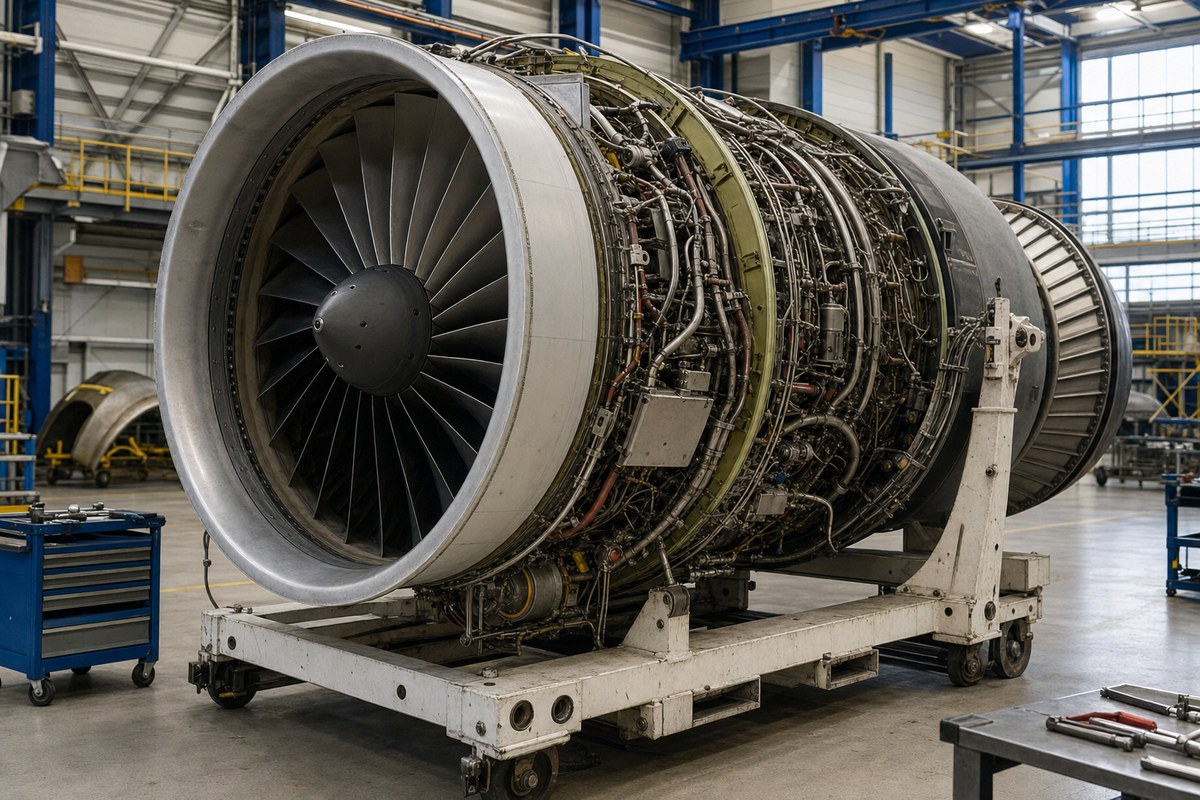
Pratt & Whitney confirms the trend. Scott Cika, the company's executive director of mature commercial engines, said the PW4000 will turn 40 years old next year and is seeing more shop visits than anticipated. Customer feedback indicates operators want to fly the 100-inch variant into the late 2030s and the 94-inch variant into 2040, while the 112-inch variant, which powers the Boeing 777-200 and 777-300, is described as its own unique situation and expected to remain in service until the early 2030s. United Airlines operates 85 Boeing 777-200s and 777-300s.
To sustain aging PW4000 fleets, Pratt & Whitney is evaluating new repair development and modified workscopes, with used serviceable material and repairs identified as key enablers for continued operation. Cika said close communication with customers about their operational plans is essential so the market can respond to material and capacity needs.