Aircraft Lessors Hold Over Half of the World's Commercial Fleet, With AerCap Owning 1,501 Aircraft
Why It MattersLessors, which order aircraft years ahead of naming operators, have become pivotal buyers from Boeing and Airbus, and production delays have raised their leverage over aircraft values and lease rates.
Leasing now accounts for more than half of the world's commercial aircraft fleet, according to the International Air Transport Association (IATA). Many airlines rent aircraft under long-term agreements from specialized leasing companies rather than buying them outright.
AerCap, the world's largest aircraft lessor, owned 1,501 aircraft and managed another 148 at the end of 2025, with 283 aircraft on order. United Airlines' mainline fleet stood at 1,066 aircraft at the end of 2025 (958 owned and 108 leased, per SEC filings), or 1,490 including its regional fleet. Other major lessors include SMBC Aviation Capital, Avolon, BOC Aviation and Air Lease Corporation.
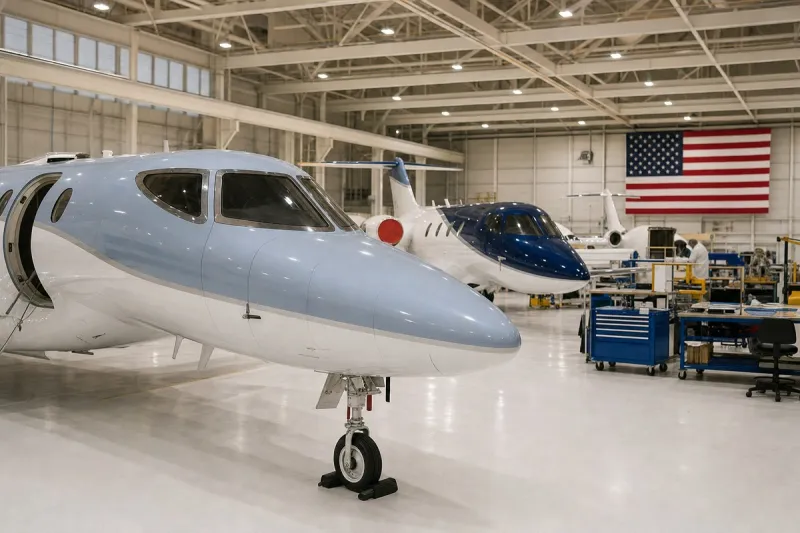
Leasing lets airlines expand without the full upfront cost: a new Boeing 787-9 carries a list price above $300 million. Lessors buy aircraft from manufacturers such as Boeing and Airbus and lease them for periods that frequently range from six to twelve years. Under a dry lease, the lessor supplies the aircraft while the airline provides its own pilots, maintenance program, insurance and operating certificates. Avolon's October 2025 sale-and-leaseback agreement with TAAG Angola Airlines involving 787-9 aircraft is one example.
Because lessors place large orders, often years before identifying the operating airlines, they have become some of Boeing's and Airbus's most important customers. Aircraft shortages and production delays have strengthened lessors' positions by raising aircraft values and lease rates, according to CAPA. With Airbus and Boeing backlogs measured in thousands of aircraft, leasing is often the fastest route to fleet growth for airlines, and it lowers the barrier to entry for smaller airlines and startups.