UK Flight Disruption Expected to Ease as Nats CEO Faces Resignation Calls After Technical Failure
Why It MattersThe episode shows how a single air traffic control site failure can cascade into thousands of cancellations across an entire national network while leaving passengers largely outside compensation rules.
What happened
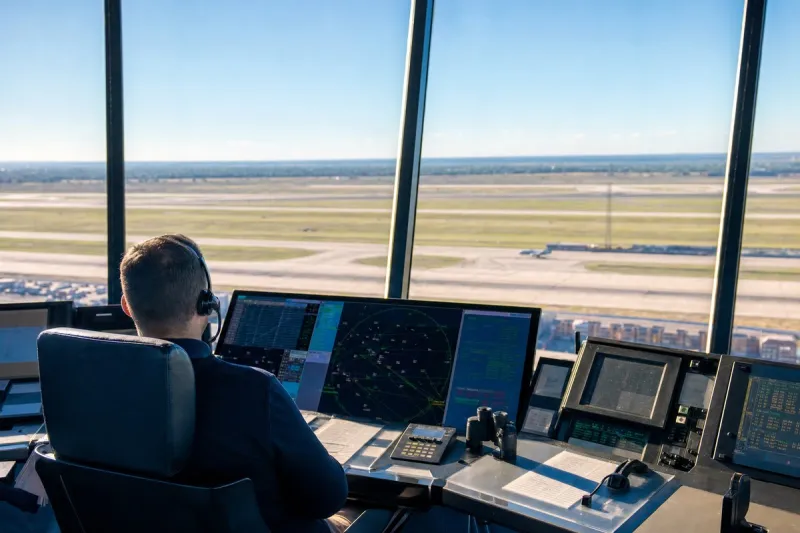
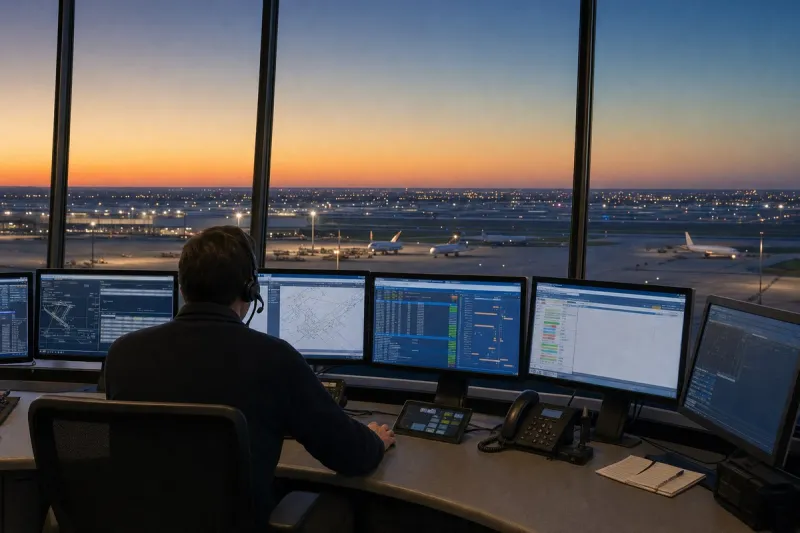
A technical failure at National Air Traffic Services' Swanwick site on Tuesday 8 September triggered widespread flight disruption across the UK, with easing expected on Thursday and no further cancellations anticipated. Aviation analytics firm Cirium reported that 2,145 flights were affected over two days, including 399 flights cancelled or not operated on Wednesday.

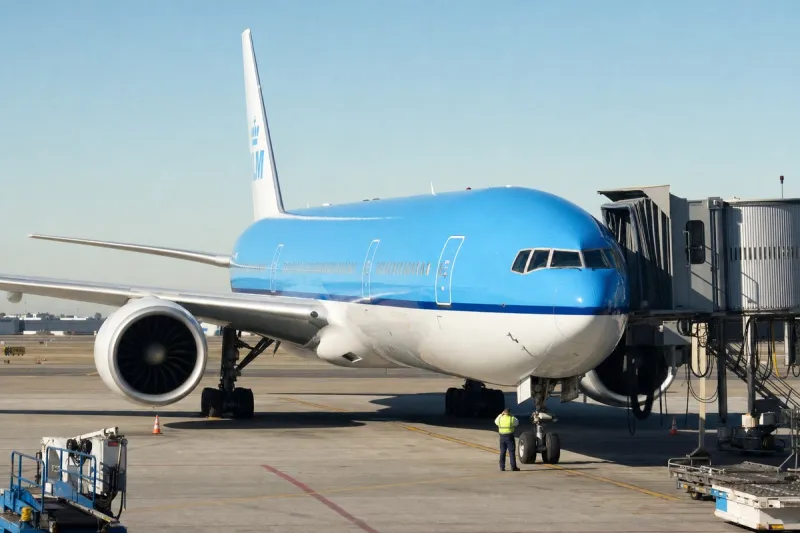
London Heathrow was the worst-affected airport, with 79 of its 666 scheduled Wednesday departures disrupted. British Airways was the worst-affected airline, with 88 of its 507 scheduled Wednesday departures affected; the airline said the situation had been "entirely out of our control." Disruption continued on Wednesday at Heathrow, Gatwick, Manchester and Stansted as airlines dealt with knock-on effects.
Nats chief executive Martin Rolfe faced public calls to resign, including from Ryanair chief executive Michael O'Leary, who on Wednesday described Rolfe's position as "untenable" and was set to speak further at Ryanair's annual general meeting near Dublin Airport on Thursday. Downing Street said the Government retained confidence in Rolfe, who said he took "full responsibility" for the incident.
Transport Secretary Heidi Alexander told MPs on Wednesday afternoon she did not believe the outage was "unavoidable" and apologised to passengers. She confirmed she had spoken with Rolfe and that a cyber attack had been ruled out. Alexander asked the Civil Aviation Authority to conduct an independent review, with a report due within six months, and Nats said it would conduct its own full investigation. The CAA stated passengers are "unlikely to be entitled to compensation" for cancellations or delays directly caused by the incident, classifying the outage as likely constituting "extraordinary circumstances" under passenger rights rules.
Industry impact & what to watch
A single-site technical failure cascading into thousands of cancelled flights across multiple airports illustrates how concentrated air traffic control infrastructure can become a systemic point of failure for an entire national aviation network. When one facility like Swanwick goes down, the effect does not stay contained to one carrier or airport — it ripples through hub and secondary airports alike, as seen at Heathrow, Gatwick, Manchester and Stansted.
The passenger compensation angle also shows how the "extraordinary circumstances" classification under passenger rights rules shields air traffic control failures from the cost airlines typically bear for their own operational errors, even as carriers absorb the schedule disruption and reputational fallout. This creates an asymmetry where airlines like British Airways face the operational and public relations burden while the entity whose infrastructure failed faces a review process rather than direct financial liability to passengers.
The CAA's independent review, due within six months, and Nats' own investigation will determine whether structural or procedural changes follow, and whether Rolfe's position becomes untenable in practice rather than only in political rhetoric. Ryanair's O'Leary is expected to press the resignation question further at the airline's annual general meeting, keeping political pressure distinct from the technical findings still to come.