Boeing Engineers and Technicians Reject Contract Offer, Authorize Strike Action
Why It MattersA strike affecting the engineers who support certification and design work could slow OEM timelines at exactly the point production quality and new-model approvals are already under scrutiny.
What happened
Members of the Society of Professional Engineering Employees in Aerospace voted on August 21, 2026, to reject a proposed four-year collective bargaining agreement with Boeing and authorized union leadership to call a strike if management does not make substantial revisions.
The contract offer covered approximately 13,000 engineers and scientists as well as around 4,000 technical specialists. Among the engineering and science sector, 64 percent of the 11,339 participating members voted against the offer. Rejection in the technical sector was more pronounced, with 71 percent of 3,909 voters opposed. In both groups, roughly 90 percent of eligible voters granted the union a strike mandate.
SPEEA cited several sources of workforce dissatisfaction: the relocation of jobs outside Washington state and overseas outsourcing, compensation packages that have not kept pace with inflation or aerospace industry benchmarks, and concerns that safety and technical considerations have been overridden by production schedule pressures. The union launched a member survey running through August 26, 2026, to identify specific demands for the next round of negotiations, and the SPEEA negotiating committee said it would assess the results before resuming talks with Boeing.
Industry impact & what to watch
Labor disputes at large manufacturers tend to move from a rejected offer to a strike mandate well before any walkout actually happens, and the intervening period is when negotiating leverage on both sides gets tested against production and certification calendars that do not pause for bargaining.
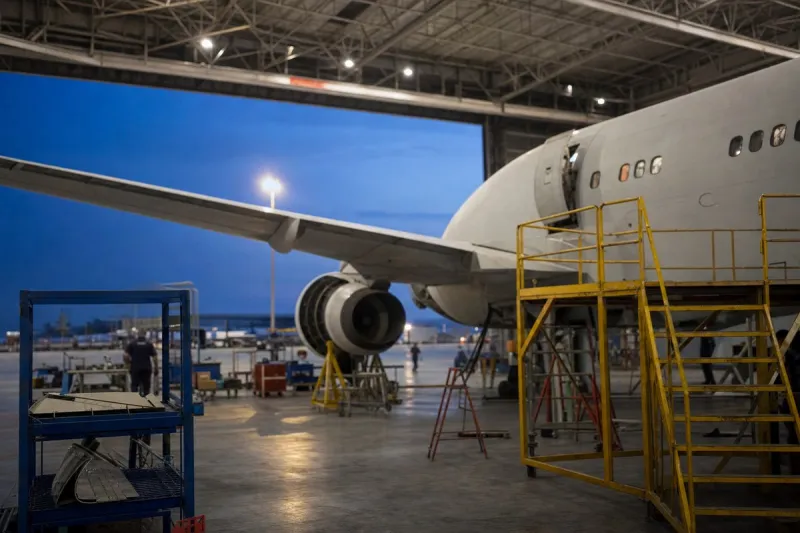
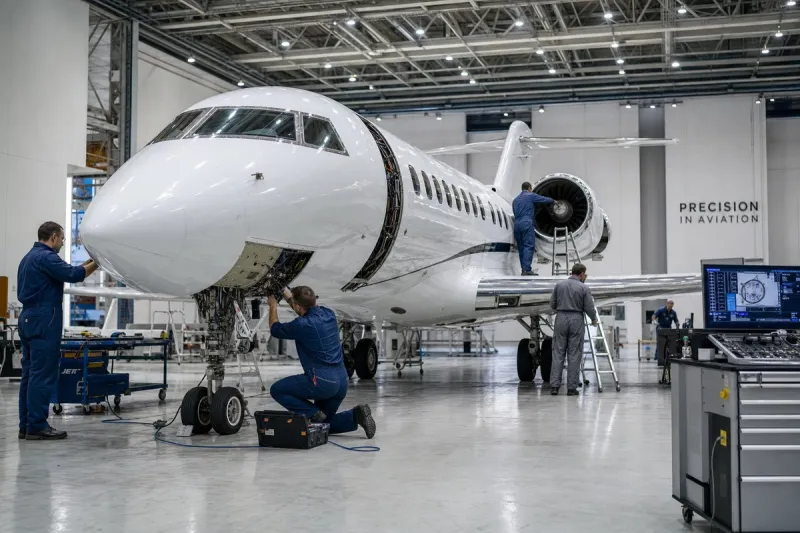
Engineering and technical staff sit inside design, testing and certification workflows rather than final assembly, so their disputes touch schedule risk differently than an assembly-line stoppage would. Boeing is already navigating quality issues in manufacturing and continuing certification review of the 777X by authorities including the European Union Aviation Safety Agency, and a prolonged dispute involving the engineers and technicians who support that work could add delay to design, testing and certification timelines.
The SPEEA member survey closing August 26, 2026, will shape the specific demands the union brings back to the table, and the negotiating committee's next public statement after reviewing those results is the point at which the likelihood of an actual strike becomes clearer.