South Korea's KASA Plans 5-Seat Hybrid VTOL Aircraft Program, Targeting Four Prototypes by 2032
Why It MattersPublic-mission demand from firefighting, rescue and medical agencies is emerging as a parallel funding and certification track alongside private eVTOL air-taxi development.
What happened
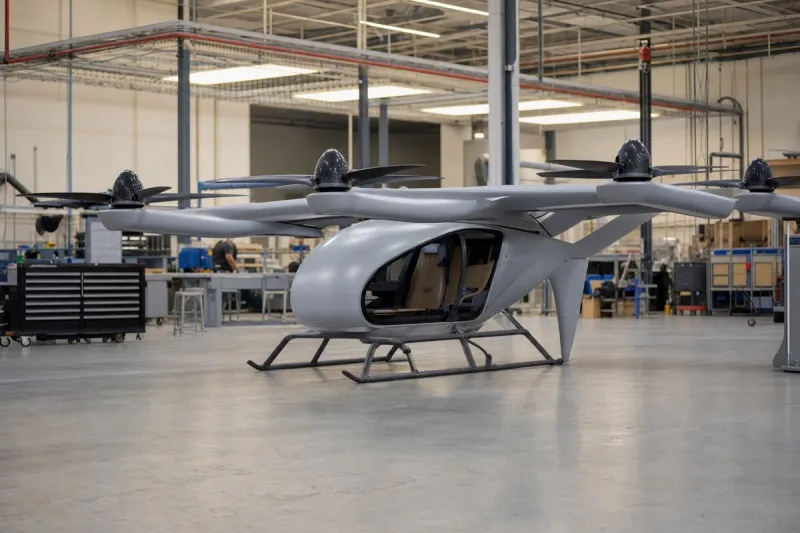
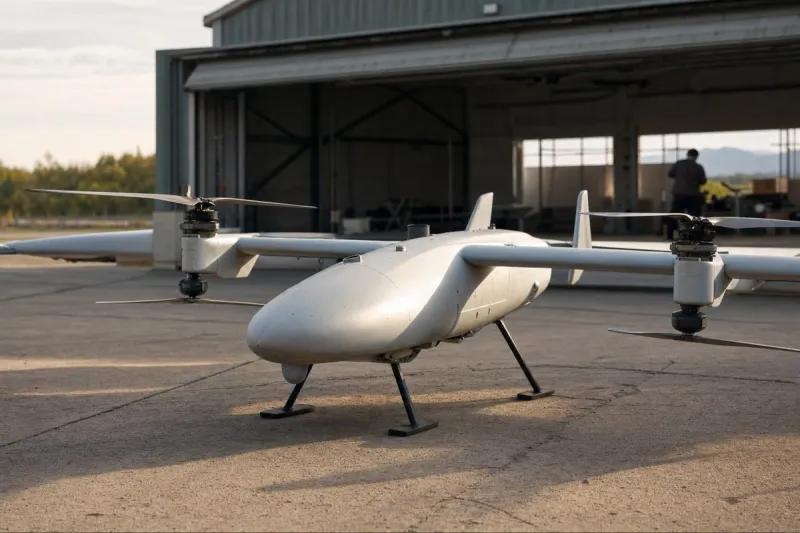
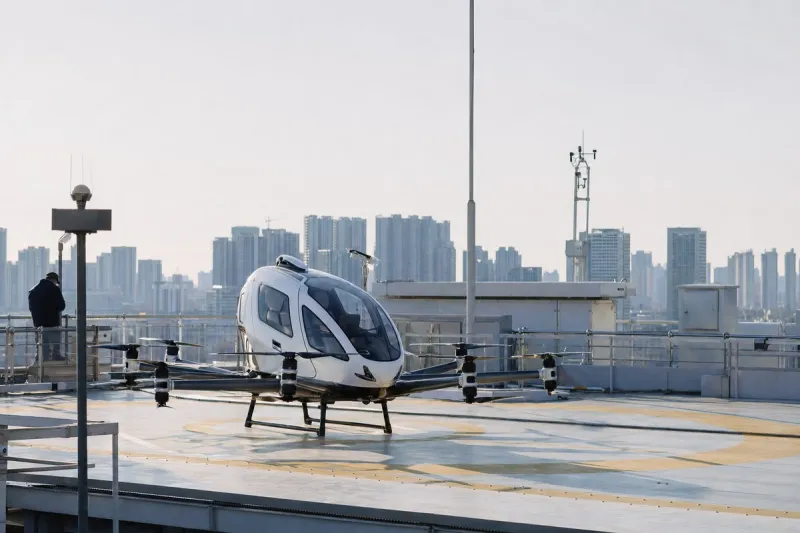
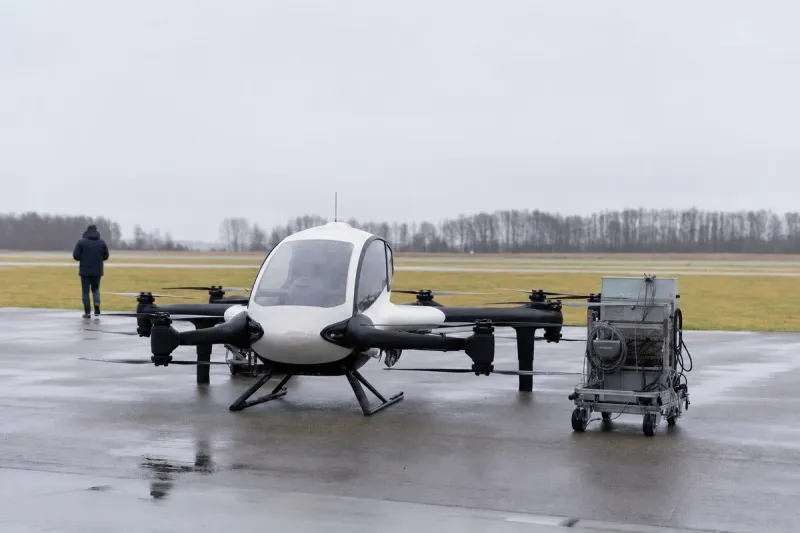
The Korea AeroSpace Administration (KASA) presented a development plan for a 5-seat hybrid vertical takeoff and landing aircraft at a public hearing held in Daejeon on the 25th, addressing industry, academic, and research stakeholders. The program is scheduled to run from 2028 to 2032, with the stated aim of localizing core technologies including generators, avionics, and distributed propulsion over the five-year period, and a target of producing four prototypes by the program's conclusion.
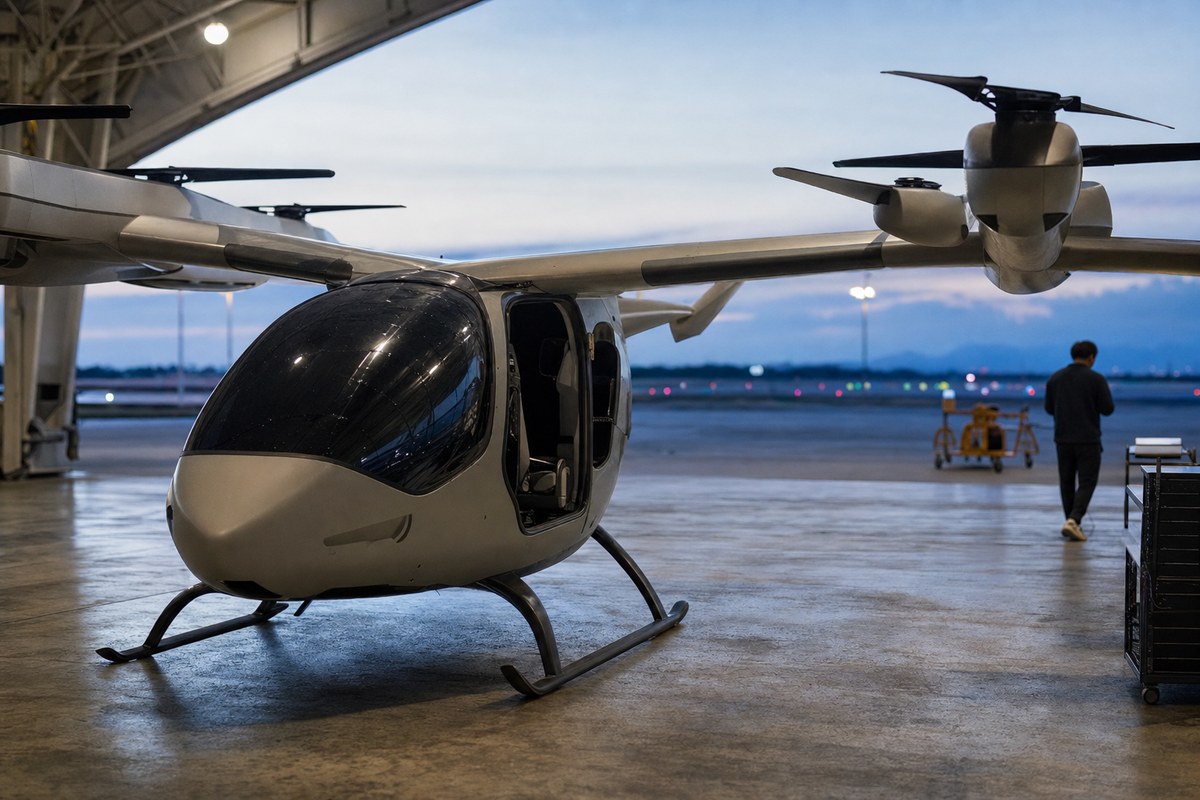
The aircraft is specified to carry five people including the pilot, with a range exceeding 200 km, a payload capacity of over 600 kg, and flight endurance of more than 60 minutes. KASA described these specifications as performance on par with advanced nations worldwide. The hybrid propulsion system combines batteries with an engine, a design intended to overcome the payload and range limitations of existing pure electric-propulsion aircraft; KASA noted the approach also provides reserve power for emergency response.
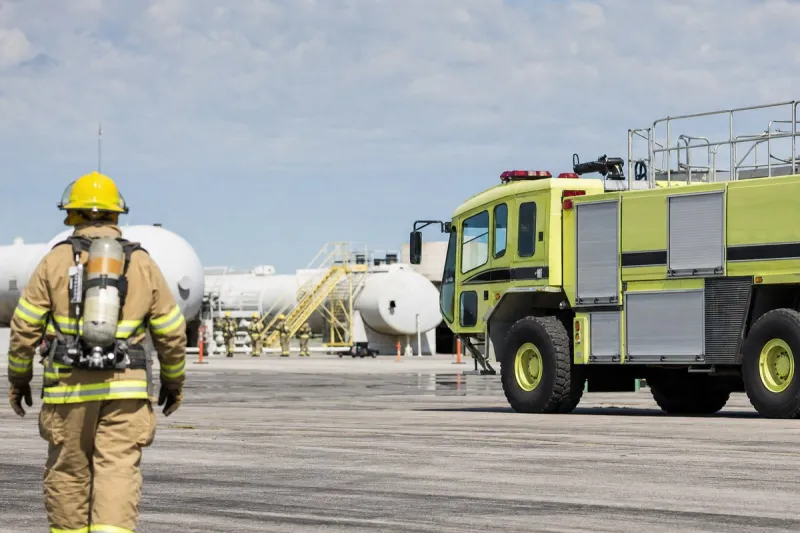
KASA will incorporate certification requirements from the design phase and work with relevant government ministries to establish a certification framework. The agency is conducting a demand survey targeting public institutions, including relevant ministries, local governments, and public bodies, through September 9, covering utilization scenarios such as firefighting, maritime rescue, medical transport, and logistics. KASA plans to submit an application to the Science and Technology Innovation Division in November as a build-type research and development program. Han Chang-heon, head of KASA's Aviation Innovation Division, said hybrid VTOL aircraft represent a technology with significant potential to transform transportation, logistics, tourism, and public services, and stressed the importance of government, industry, academia, and research institutions moving quickly together to secure a leading position in the future market.
Industry impact & what to watch
This plan places South Korea among the group of national programs treating hybrid-propulsion VTOL as a distinct category from pure-electric air taxis, aimed squarely at payload and range gaps that battery-only designs have struggled to close. Combining batteries with an engine trades some of the emissions and noise benefit of pure electric flight for endurance past 60 minutes and payload over 600 kg, a trade many public-service missions may value more than a pure air-taxi operator would.
Building demand around public institutions rather than private buyers changes how the program's economics work: a firefighting, maritime rescue, medical transport, or logistics mandate from a government body can anchor early production volume before a commercial passenger market exists, but it also means the aircraft's specification will be shaped by mission requirements rather than by fare-paying passenger comfort or range preferences.
The next markers are the demand survey closing September 9, which will indicate how much public-sector appetite actually exists across the named mission types, and the November submission to the Science and Technology Innovation Division, which will determine whether the program secures funding as a formal build-type research and development effort.