Norwegian Air Traffic Controllers End Strike After Monday Afternoon Settlement with Avinor
Why It MattersLabour disputes over air traffic controller working conditions rather than pay can shut down national airspace quickly, leaving airlines to absorb rebooking and recovery costs once flying resumes.
What happened
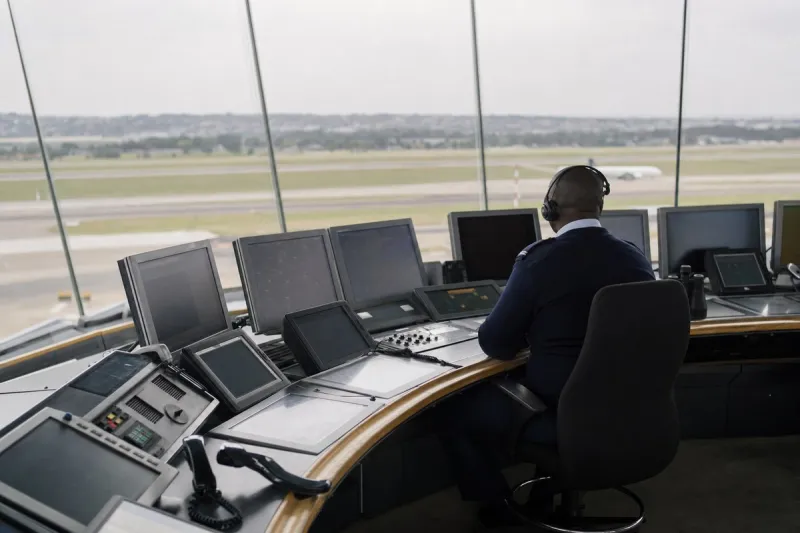
Norwegian air traffic controllers called off their strike on Monday after their union, Flygelederforeningen, reached a settlement with state aviation agency Avinor, represented by employers' organisation Spekter. Negotiations resumed at 8am Monday and lasted nearly six hours before an agreement was reached that afternoon.
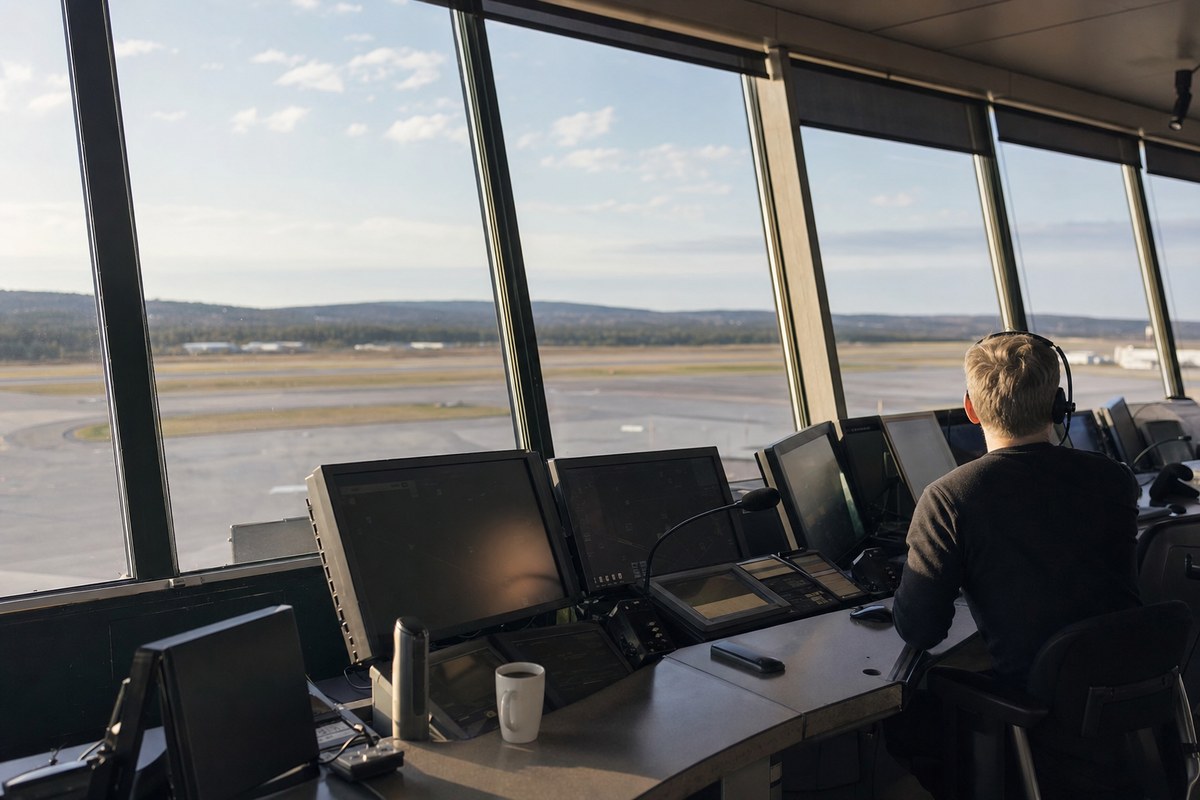
Avinor and Flygelederforeningen issued a joint statement saying all parties were "extremely satisfied" with the outcome, and that airline traffic was "on its way back to normal." All controllers who had been on strike were instructed to return to work "as soon as possible." The hardest-hit airports during the strike were Oslo Gardermoen and Bergen's Flesland airport, with an estimated 87,000 passengers expected to travel through Gardermoen on Monday alone and long queues at check-in and security as operations resumed.
Spekter leader Anne-Kari Bratten said the two sides had agreed on "a process for senior policy" for veteran air traffic controllers, including more time off for those over the age of 55. The controllers had maintained throughout the dispute that their strike was not about pay levels, which they said were already high relative to other workers, but about the need for more breaks during long shifts. Details of the settlement were not disclosed, with both sides citing confidentiality clauses. Flygelederforeningen leader Robert Gjønnes told state broadcaster NRK that the sides had "carried out a professional and good dialogue," adding that "dialogue is always the solution," and he publicly apologised to travellers for the disruption caused by the strike. Avinor chief Abraham Foss described the situation as "a demanding situation for many travelers and airlines" and praised air traffic controllers for their competence and sense of responsibility. The two sides had originally not planned to meet again until Tuesday, when additional controllers were set to be called out on strike, before agreeing to restart talks Monday morning.
Industry impact & what to watch
This dispute belongs to a category of labour action that scheduled carriers and business aviation alike cannot route around: air traffic control staffing sits upstream of every departure, so a walkout at Oslo Gardermoen or Bergen's Flesland does not just delay flights there, it displaces aircraft and crews across the whole network.
The episode also shows how quickly recovery lags resolution once controllers return. Passengers continued to face delays and cancellations after the settlement because aircraft were out of position and a backlog of rescheduled flights had built up, and travel insurance does not cover strike disruption, leaving airlines responsible for getting affected passengers to their destinations.
The confidentiality clause means the specific terms of the senior-policy arrangement for controllers over 55 remain undisclosed, so whether this settlement structure becomes a template for other Avinor labour talks, or whether unresolved fatigue concerns resurface, will only become clear if a similar dispute arises again.