FAA Proposes Special Certification Conditions for Pratt & Whitney Canada PW220A Turboshaft Engine's Idle-Cruise Regime
Why It MattersNovel propulsion features that outpace existing airworthiness standards push regulators to build bespoke certification criteria before operators can rely on the resulting efficiency gains.
What happened
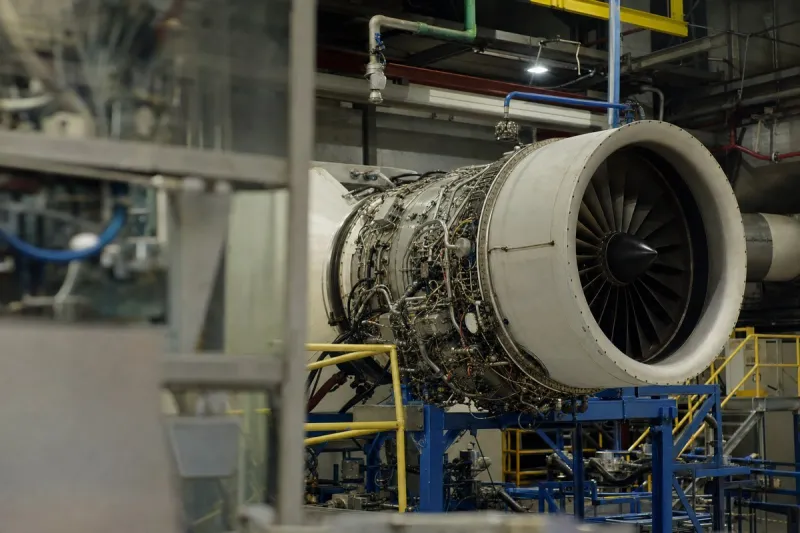
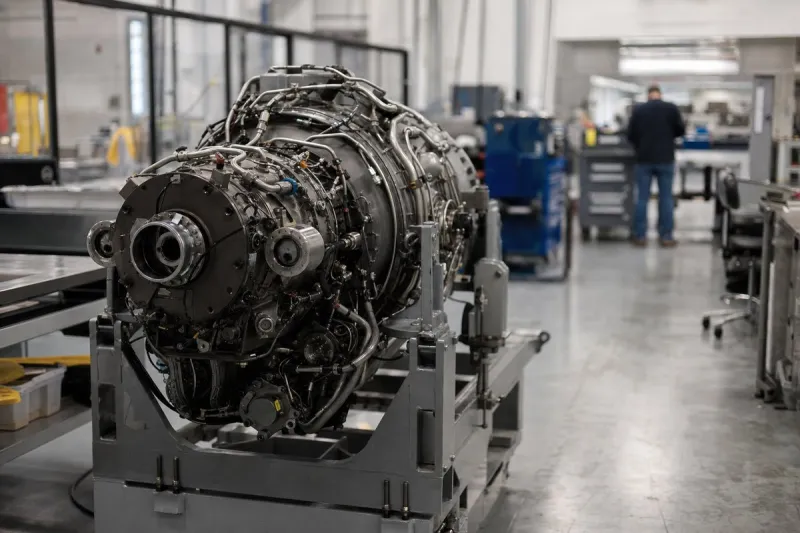
The Federal Aviation Administration has published a proposed rulemaking notice, FAA-2026-3073, introducing special conditions for certifying the Pratt & Whitney Canada Model PW220A turboshaft engine, part number PW220A.
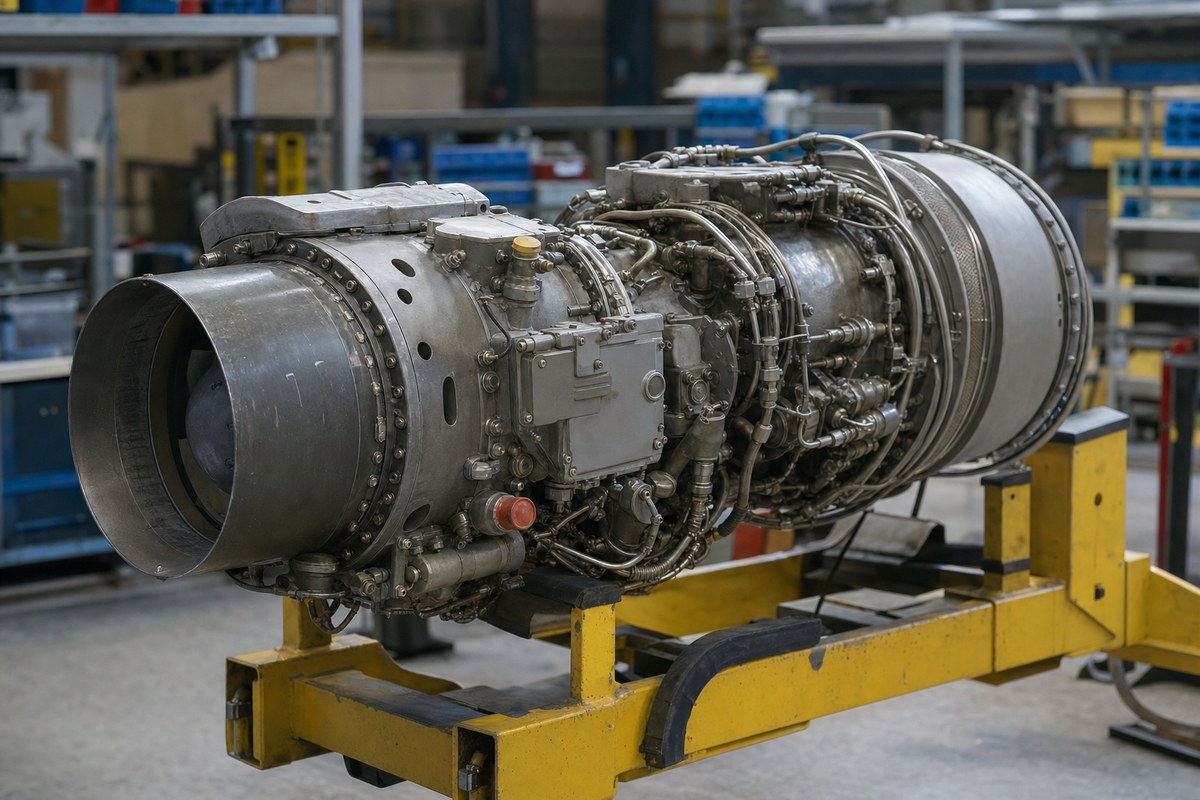
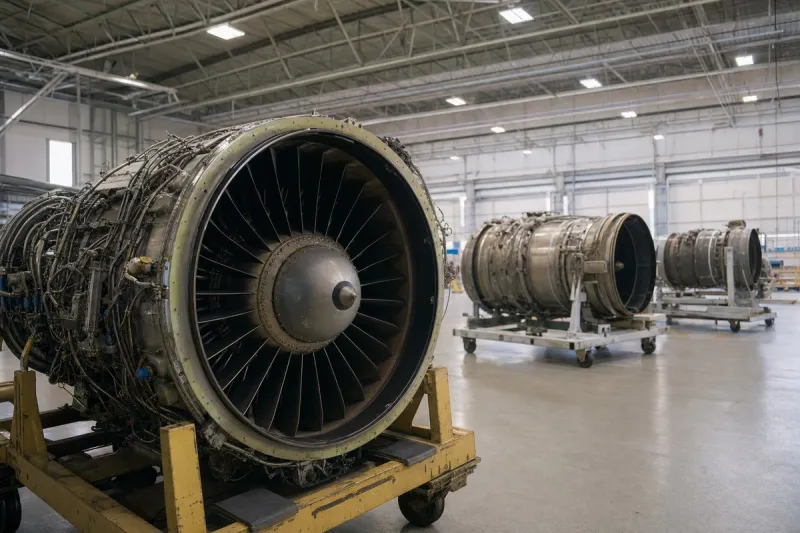
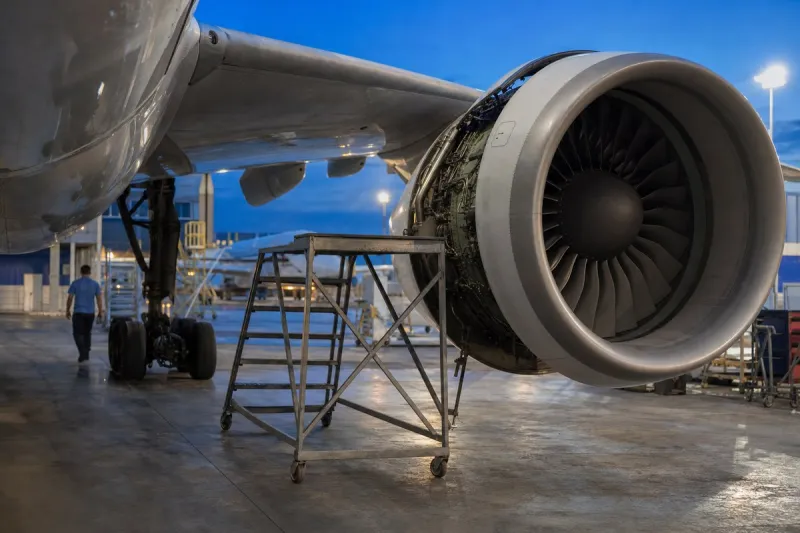
The engine features an Idle-Cruise Regime power rating structure, under which one engine operates at low idle while the other delivers full power during cruise flight. The design is intended to reduce fuel consumption and extend helicopter operating range. The FAA determined that existing airworthiness standards do not adequately address this feature and is proposing additional safety standards covering operational definitions, power response requirements, endurance testing, and rain ingestion tests, to ensure an equivalent level of safety for the design.
The notice states that no procurement of products or services is involved; it is a regulatory action seeking public comment on the proposed special conditions before they are finalized.
Industry impact & what to watch
This case illustrates how certification frameworks adapt when engine makers introduce operating modes that existing rules were never written to cover. A dual-engine helicopter running one engine at idle while the other carries full cruise load creates failure and response scenarios that standard endurance and power-response tests do not anticipate, so the FAA is writing new test criteria specific to that configuration rather than forcing the design into an ill-fitting existing standard.
Special-conditions rulemaking of this kind typically sets the technical bar that a specific engine model must clear before it can be installed on a certified helicopter type, and the criteria developed here for the PW220A could inform how future idle-cruise or asymmetric-power designs from other manufacturers are evaluated.
The rulemaking is currently open for public comment, and the final version of the special conditions, once issued, will determine what endurance and rain-ingestion test results Pratt & Whitney Canada must produce before the engine can be certified for use.