Flight Paramedic in Northern California Uses eVTOL to Reach Emergency Scenes, Arriving 20 Minutes Ahead of Ambulance
Why It MattersSingle-seat eVTOLs are emerging as a scene-response tool that speeds up medical arrival without replacing the patient-transport role helicopters still hold in rural EMS.
What happened
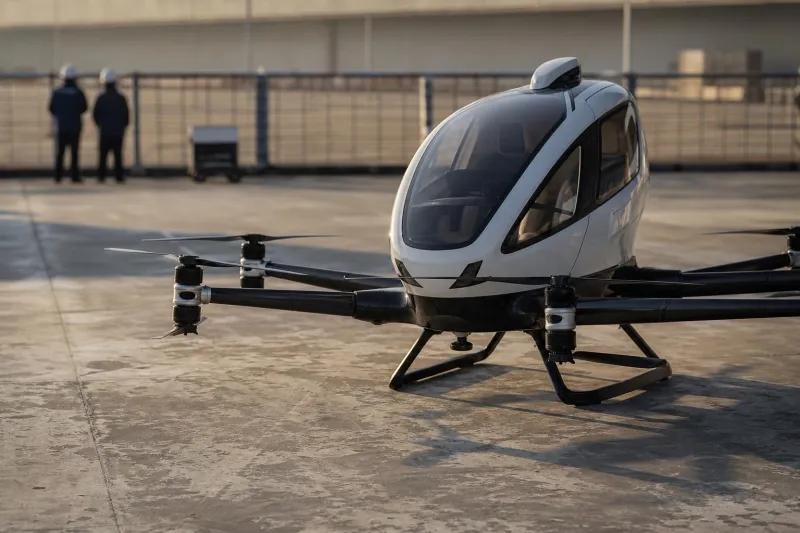
A flight paramedic in Northern California, Quinn Reece, has completed at least two emergency response missions using a BlackFly eVTOL built by Pivotal, described as a first for emergency medical services in the United States. On one call, Reece arrived approximately 20 minutes before the ambulance reached the scene.

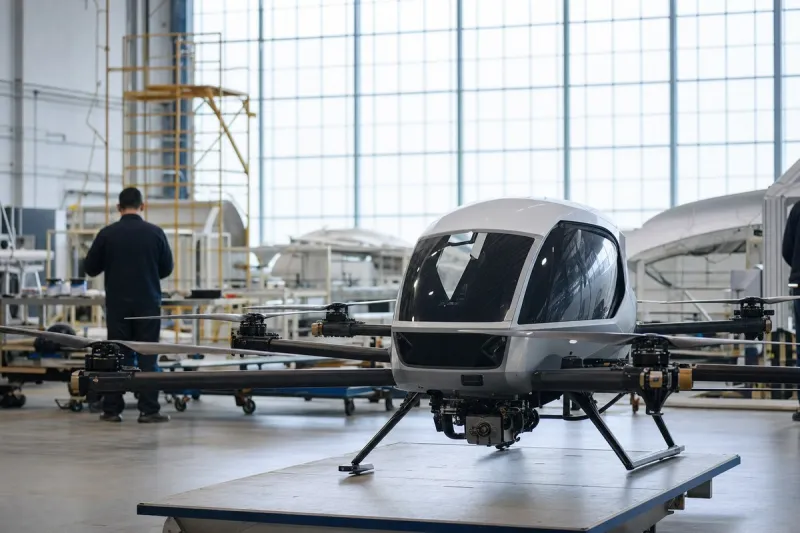
The BlackFly is a small-rotor electric aircraft capable of vertical takeoff and landing, powered by multiple battery-driven motors, and is described as a compact alternative to conventional helicopters suited for areas with limited landing space. Because it seats only one pilot, it cannot transport patients, so helicopters remain the primary option for critical patient transport; the eVTOL's role is instead to deliver a trained medical responder to the scene ahead of ground units.
Brook Cox, chief of Hyde County EMS, said the missions demonstrated the technology's potential for rural communities. "Every decision we make is about getting advanced care to our citizens faster," Cox told AeroTime. "These missions proved that we can overcome distance, reach patients sooner, and redefine emergency response in rural communities."
Industry impact & what to watch
This case points to a narrower use for eVTOLs than the passenger-shuttle model most development programs target: a single-seat aircraft dispatched purely to close the time gap between an emergency call and a trained responder's arrival, with transport still handled by conventional vehicles.
Rural emergency medical services generally weigh response time against the cost and availability of rotorcraft, which need larger landing areas and carry higher operating costs. A vertical-lift aircraft that only needs to carry one paramedic changes that calculus by fitting into tighter rural landing spots while leaving the patient-carrying mission to ambulances or helicopters, effectively adding a faster first-response layer rather than replacing existing transport.
Whether this becomes more than an isolated set of missions will depend on whether Hyde County EMS or other rural services expand the program beyond the two flights described, and on how regulators and insurers treat a single-pilot eVTOL used for scene response rather than passenger transport.