Security Aviation Cessna 441 Conquest II Crashes in Alaska, Killing All Eight Aboard
Why It MattersThe crash underscores how charter flights into remote, radar-monitored airstrips depend on weather minimums and approach conditions that can turn a routine government contract mission fatal.
What happened
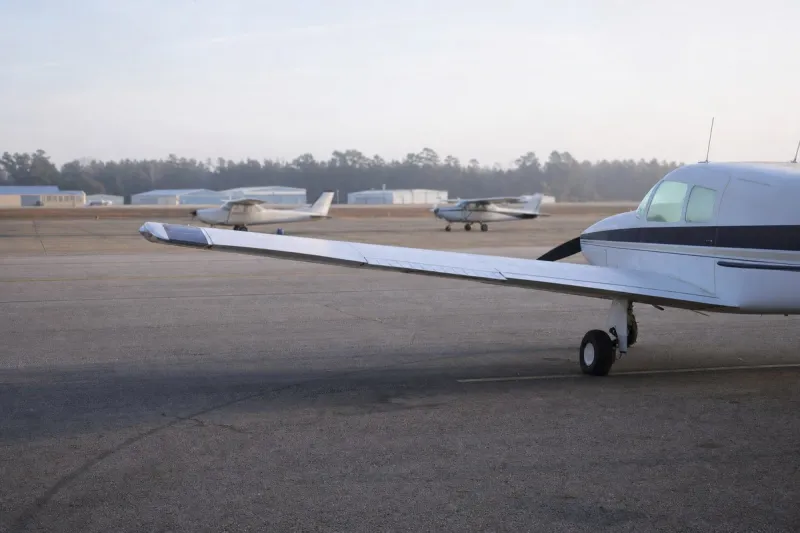
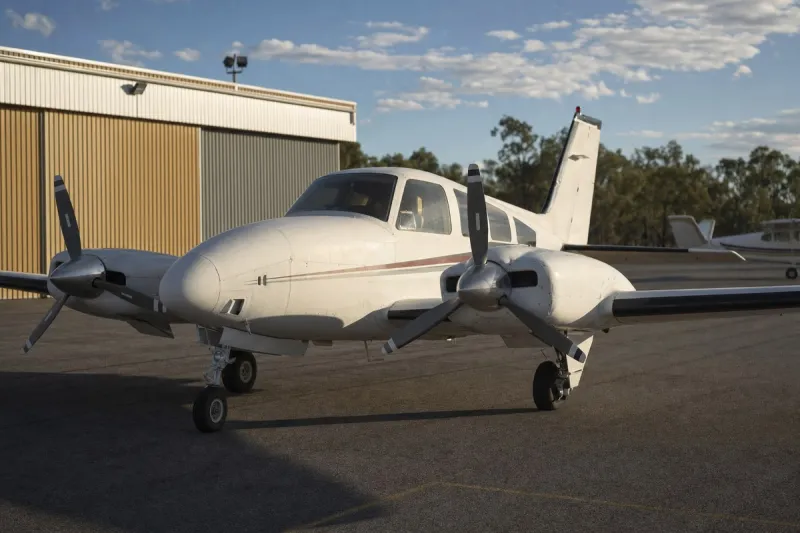
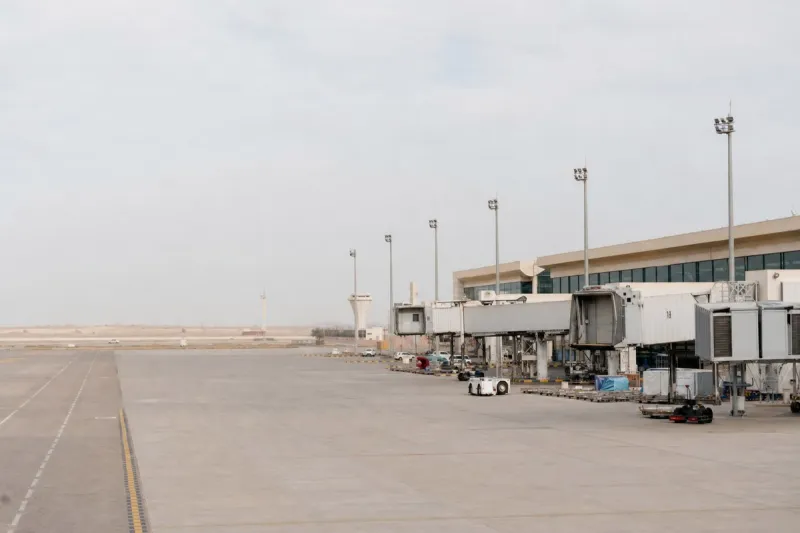
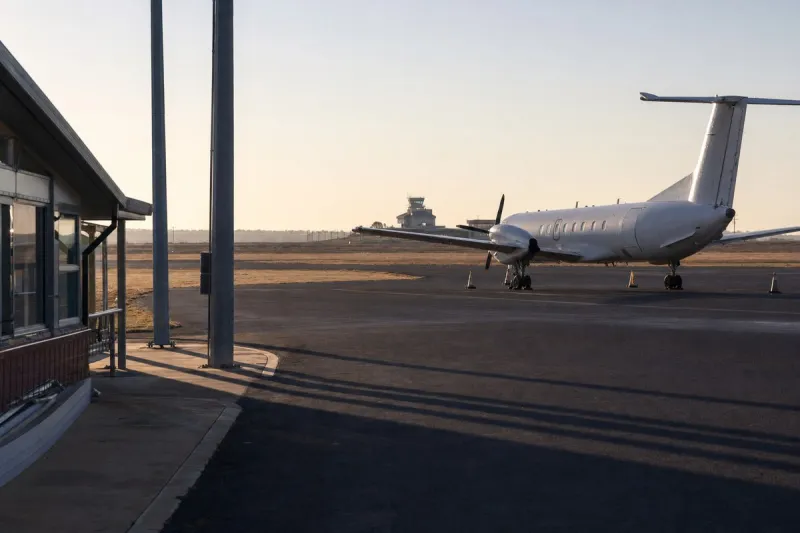
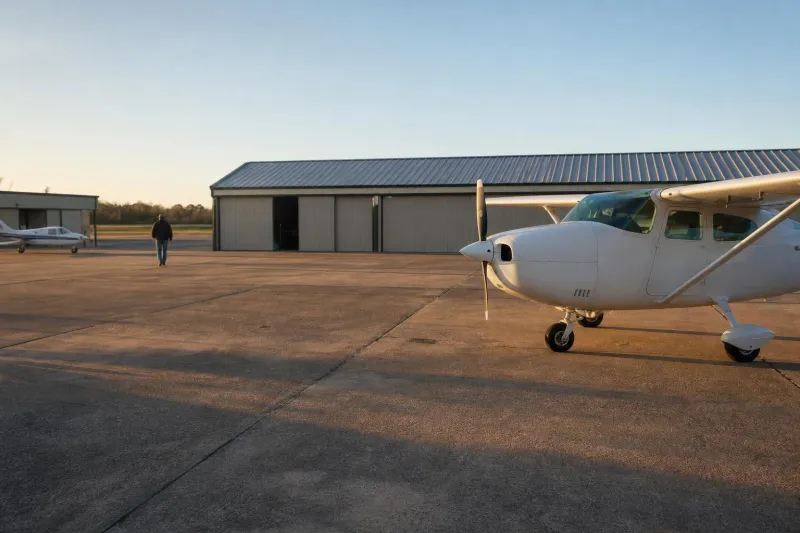
A twin-engine Cessna 441 Conquest II operated by Anchorage-based charter operator Security Aviation crashed on August 20, 2026, near a remote military installation in southwest Alaska, killing all eight people on board. The aircraft had departed Ted Stevens Anchorage International Airport bound for Cape Newenham Long Range Radar Site Airport, roughly 450 miles southwest of Anchorage on the edge of the Bering Sea.

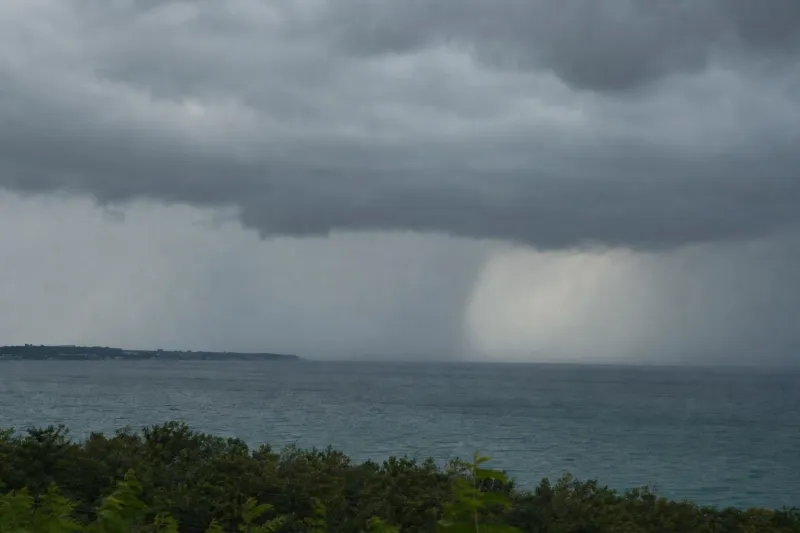
The flight was an on-demand charter contracted by the U.S. Army Corps of Engineers to carry personnel on an infrastructure assessment and mission support assignment. Aboard were two pilots and six passengers, including two civilian employees from the Alaska District of the U.S. Army Corps of Engineers. At approximately 12:15 PM local time, while on approach to Cape Newenham in dense fog with low ceilings and visibility reported at less than 800 feet, the aircraft impacted terrain west of the airfield.
Search and rescue teams coordinated by Alaskan Command, the Rescue Coordination Center, and the U.S. Coast Guard responded to the crash site and confirmed there were no survivors. The National Transportation Safety Board is leading the investigation with assistance from the Federal Aviation Administration. The Cape Newenham airstrip serves a Pacific Air Forces Regional Support Center installation situated on the slope of a 2,300-foot mountain, used by the military to monitor Alaskan airspace and regional border corridors.
Industry impact & what to watch
Fatal accidents involving on-demand charter flights into remote, weather-exposed airstrips draw scrutiny toward approach procedures at airfields with limited instrument infrastructure and terrain close to the runway. Government agencies routinely contract small charter operators for exactly this kind of mission support to installations that scheduled carriers do not serve, which places the operational judgment for weather minimums and go/no-go decisions squarely on the charter operator rather than the contracting agency.
The investigation's findings on the approach conditions, the aircraft's equipment, and the crew's decision-making near Cape Newenham will determine whether this becomes a case about airfield-specific minimums or about broader charter oversight for government-contracted flights into austere Alaska airstrips. The NTSB's preliminary report, once released, is the next concrete marker to watch.