Malaysia's MITI to Launch Unmanned Valley Ecosystem Pilot Project Under 13th Malaysia Plan to Develop Low-Altitude Economy
Why It MattersLow-altitude economy growth in Malaysia hinges on regulatory guidelines still being drafted, meaning airspace access and vertiport standards remain undefined until CAAM publishes its framework.
What happened
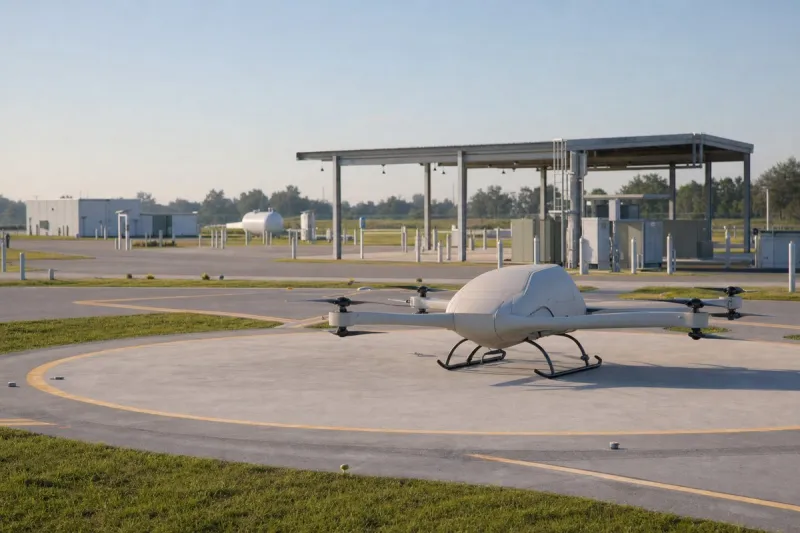
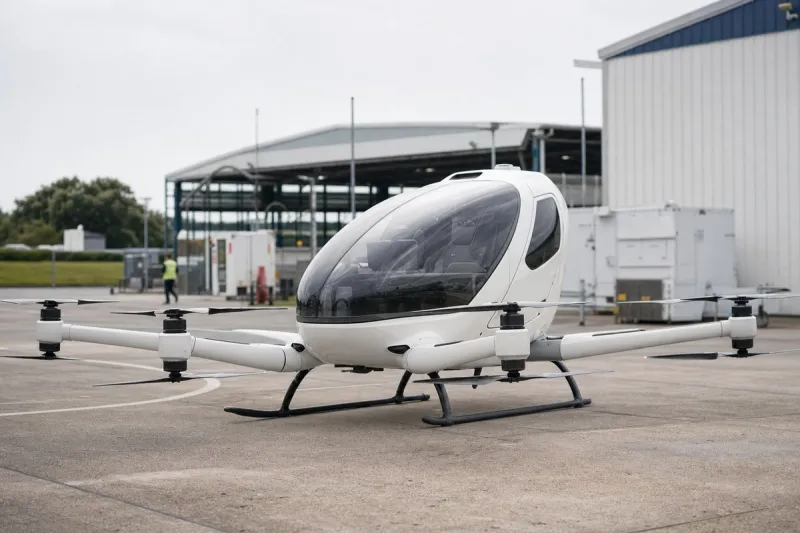
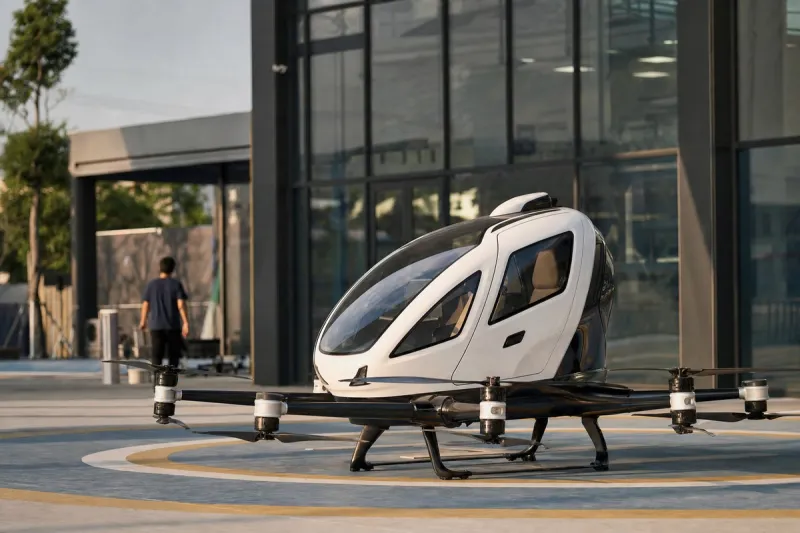
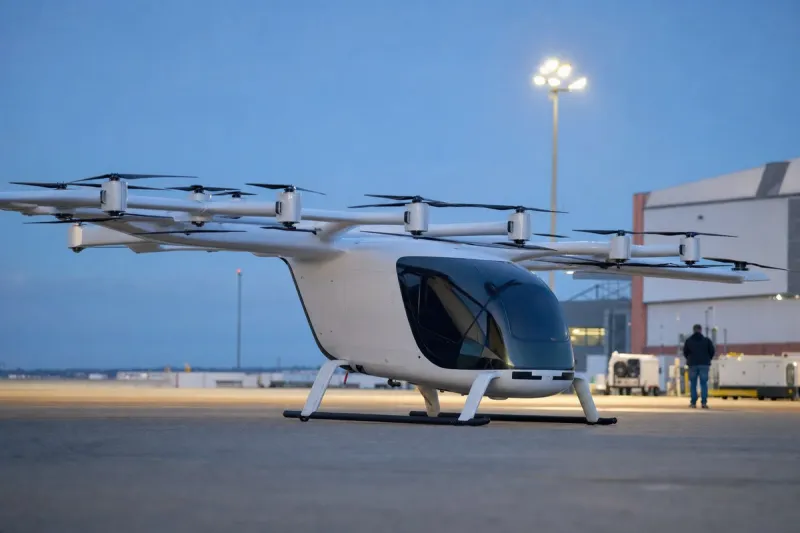
Malaysia's Ministry of Investment, Trade and Industry (MITI) plans to implement an Unmanned Valley Ecosystem pilot project to drive development of the country's low-altitude economy, carried out under the 13th Malaysia Plan. Deputy Minister Sim Tze Tzin said the proposed pilot project would be located at universities, with the National Aerospace Industry Corporation of Malaysia overseeing the establishment of the unmanned valley, where flight systems including vertiports can be tested.
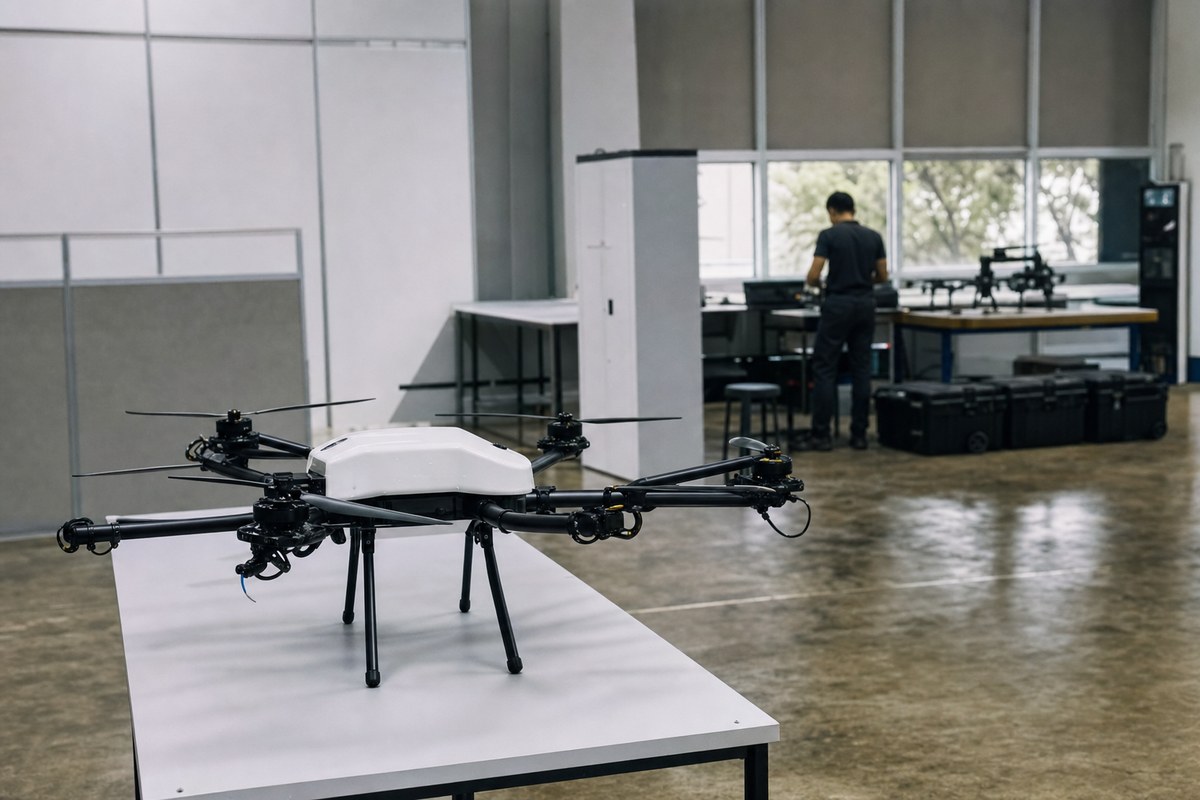
Sim said universities were chosen to attract younger generations who would ultimately be the primary users of the technology, though he added the government remained open to other suitable locations. He made the remarks following an appearance on Bernama TV's Ruang Bicara programme on Monday, and noted that safety challenges must be addressed to ensure the technology can be properly tested and developed.
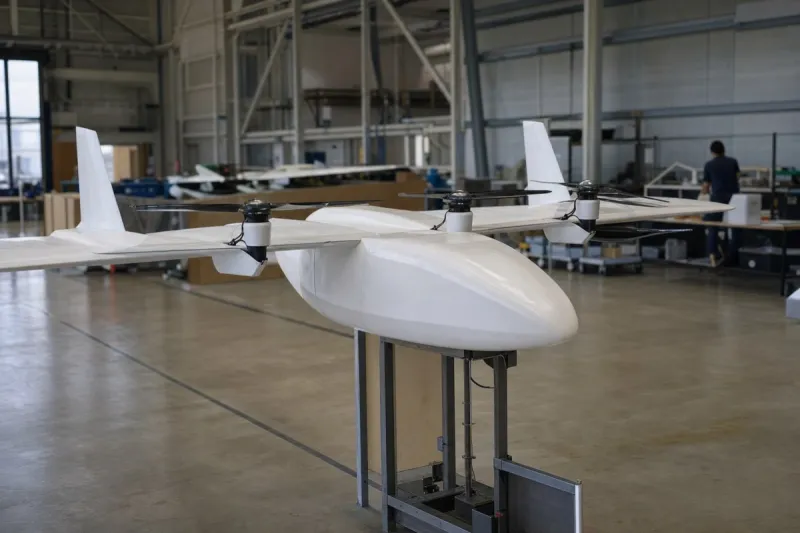
The low-altitude economy encompasses economic activities and public services conducted within low-altitude airspace using technologies such as drones, advanced air mobility, air logistics, infrastructure inspection, smart farming, and emergency services, and includes unmanned aerial vehicles, air taxis, and vertical take-off and landing electric aircraft. Transport Minister Anthony Loke has previously indicated that low-altitude economy guidelines are expected to be announced by the end of this year, establishing a regulatory, operational, and governance framework for safe airspace integration. The Civil Aviation Authority of Malaysia is developing the guidelines, which are expected to be unveiled at the Asian Transport Expo 2026.
Industry impact & what to watch
A university-based test site for drones, air taxis and vertiports is a common early step for countries trying to build a low-altitude economy before writing full rules for it, since a controlled campus setting lets regulators and technology developers observe operations before opening wider airspace. Malaysia's approach pairs a physical pilot site with a separate regulatory track, so the test infrastructure and the rules governing it are being built on different timelines.
How this segment develops depends on whether the guidelines CAAM is drafting arrive on schedule and what they actually permit once published. Until that regulatory, operational and governance framework is public, no operator, developer or investor can size the eventual market for vertiport access, drone corridors or air-taxi routes in the country.
The next marker is the end-of-year target for the guidelines, expected to be unveiled at the Asian Transport Expo 2026, alongside progress on selecting the pilot site beyond the university option Sim described.