Netflix Show 'Let's Marry Harry' Flew Cast to Vegas on $37,000 Bombardier Challenger 850 Private Jet
Why It MattersReality-television production is emerging as a visible demand channel for large-cabin charter, where operators supply not just lift but curated onboard catering and ground transport as part of the package.
What happened
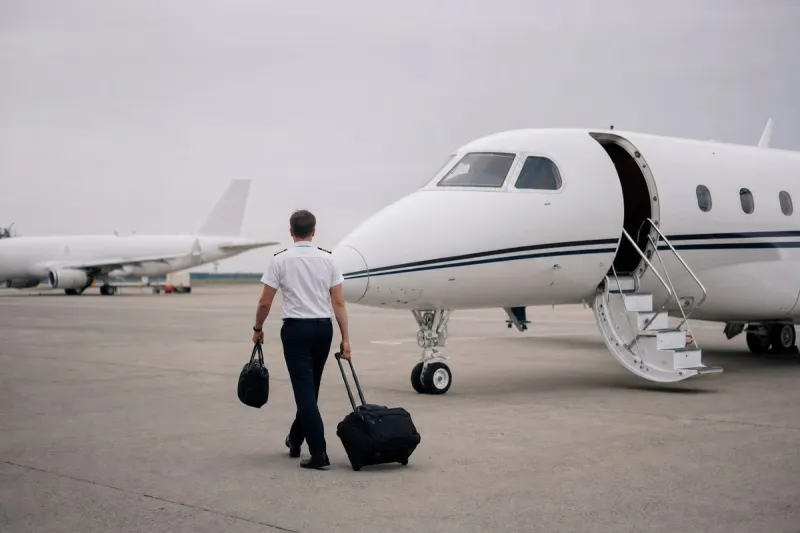
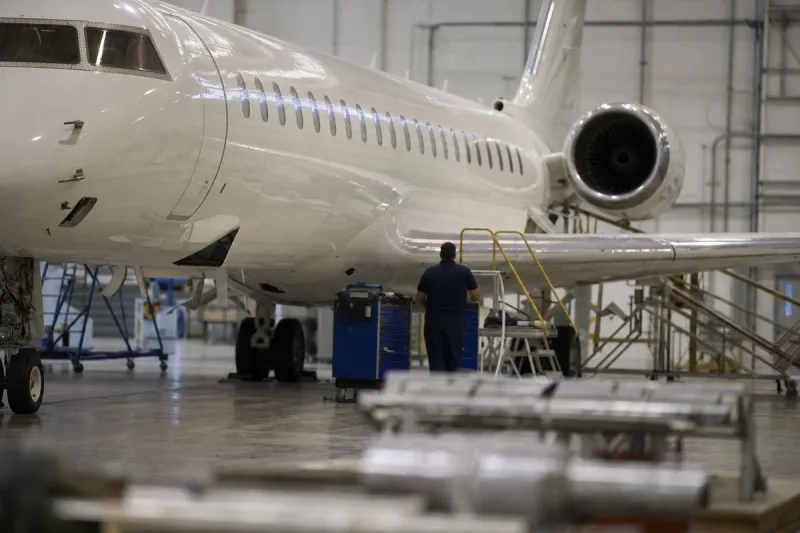
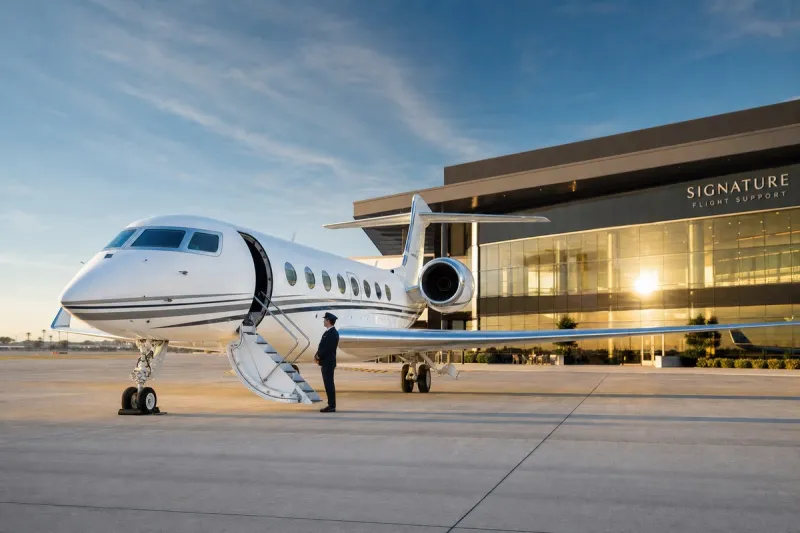
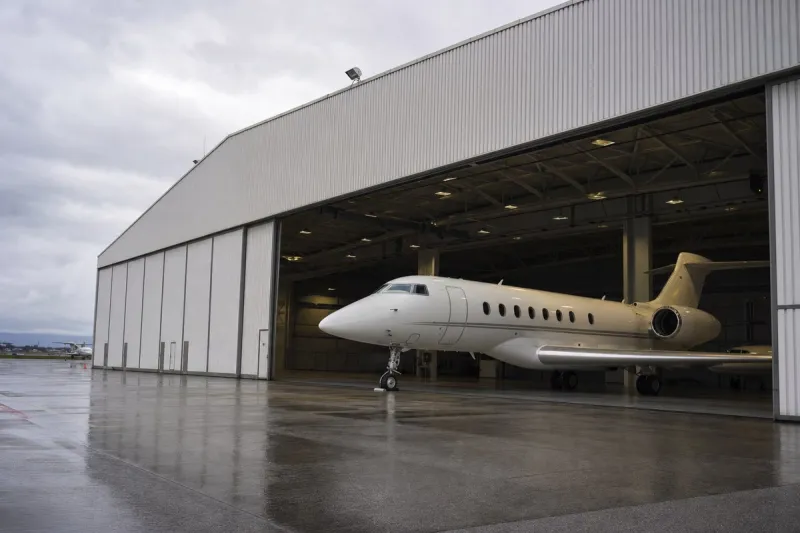
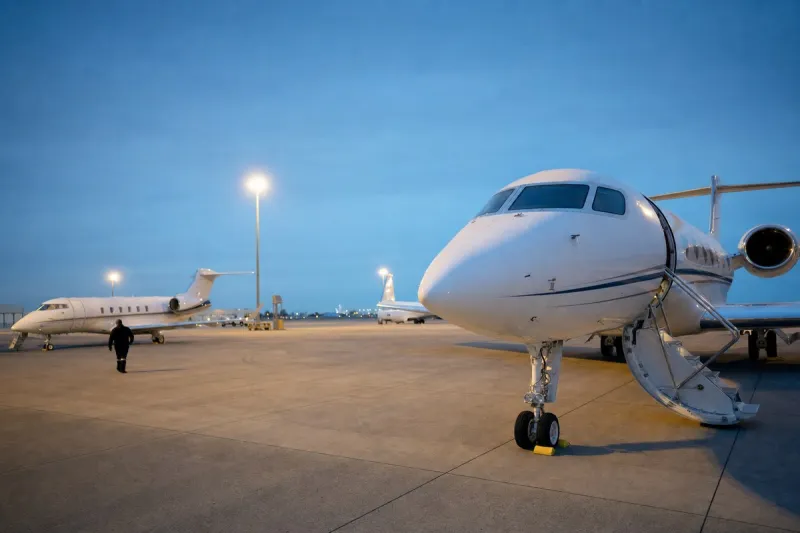
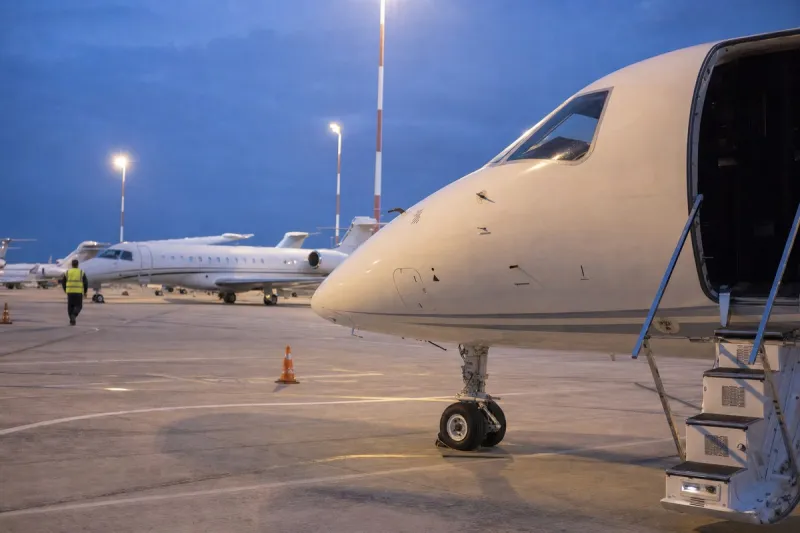
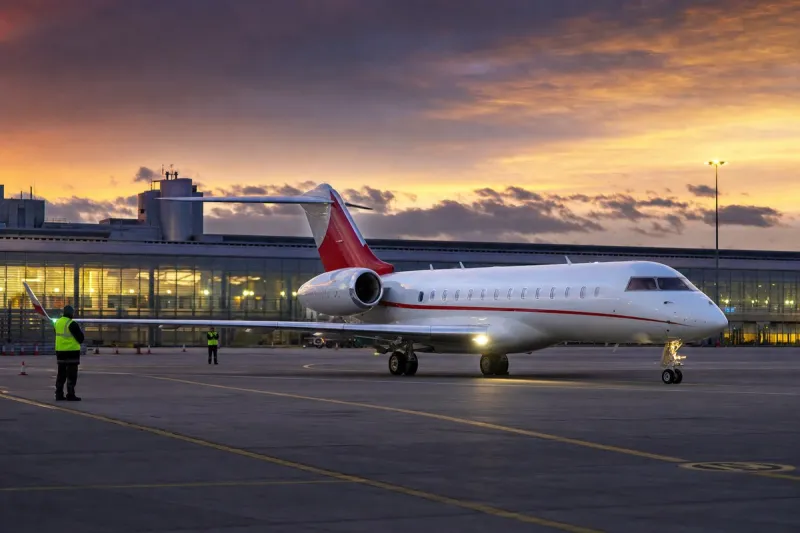
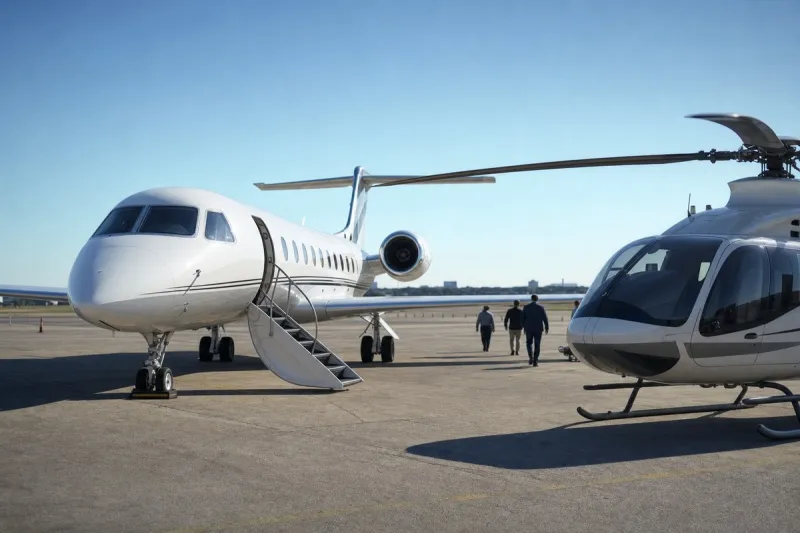
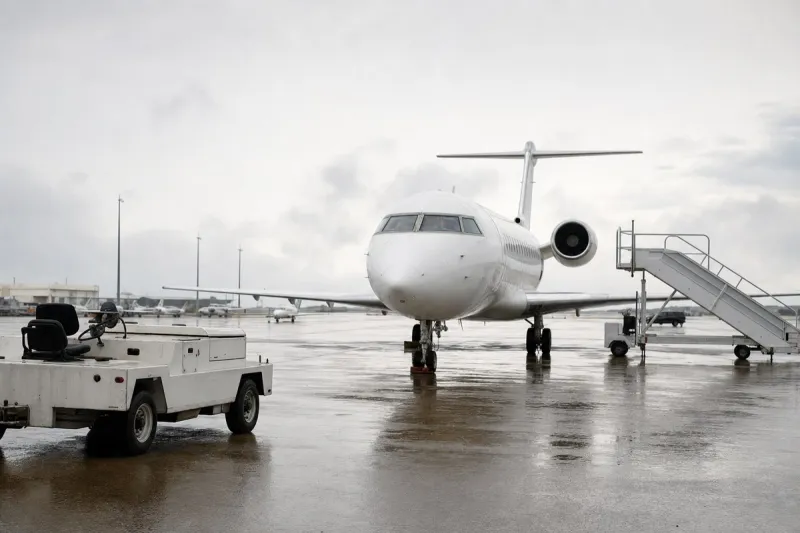
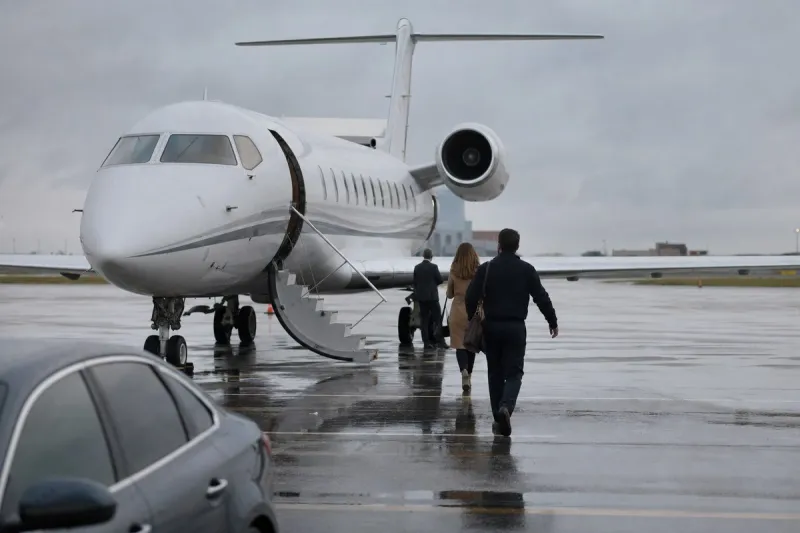
The cast of Netflix's reality series Let's Marry Harry traveled from Los Angeles to Las Vegas aboard a Bombardier Challenger 850 private jet operated by Cirrus Aviation Services, with the flight featured in Episode 6 of the show.
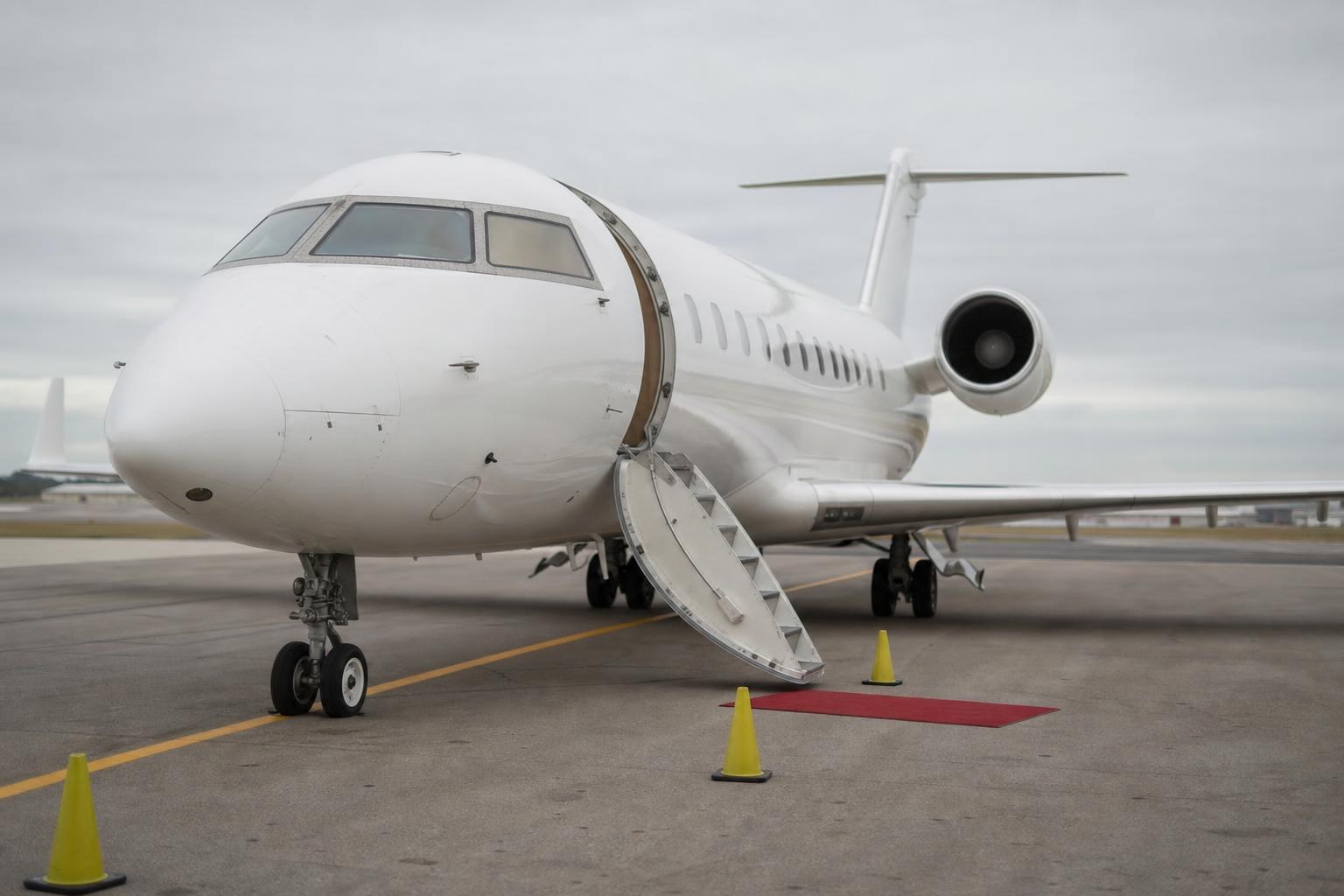
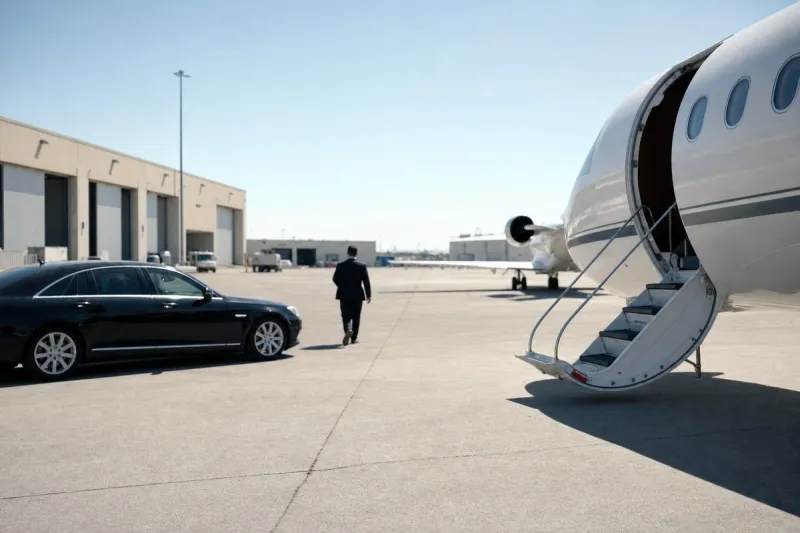
Recreating the trip — including round-trip Challenger 850 service between Los Angeles and Las Vegas, premium onboard catering, champagne service, and stretch limousine ground transportation — totals approximately $37,000. Split among 15 passengers, that comes to just under $2,500 per person. The Challenger 850 carries up to 15 passengers and has a full stand-up interior described as one of the widest cabins in private aviation.
During the flight, host Harry Jowsey and his five remaining fiancées were served champagne and charcuterie while dancing in the aisle. Travis Turner, VP of Guest Experience at Cirrus Aviation Services, said "the fun started long before Harry and the women arrived in Las Vegas," describing champagne flowing, fresh fruit and charcuterie, music playing, and dancing throughout the flight. Alexandria Hurley, Head of PR at Cirrus Aviation Services, called the cast "incredibly respectful, engaging, and genuinely fun to host," and said Jowsey "made a genuine effort to spend quality time with each of the women" during the trip. All eight episodes of Let's Marry Harry are streaming on Netflix, with a reunion special hosted by Haley Baylee set for Wednesday, August 26.
Industry impact & what to watch
This case sits inside a familiar pattern of media productions leaning on charter operators to supply both transportation and a filmable experience, where the aircraft itself becomes part of the on-screen content rather than just a means of moving people between cities.
For an operator like Cirrus Aviation Services, a booking of this kind bundles aircraft time with catering, beverage service and ground transportation into a single production-ready package, and the per-passenger cost breakdown shows how a large-cabin charter can be positioned as an attainable group expense once split across enough seats. The willingness of the operator's own staff to speak publicly about the booking also signals how charter providers now treat entertainment placements as marketing opportunities in their own right.
Whether this translates into a recurring line of business depends on whether other productions follow with similar bookings, and whether Cirrus Aviation Services or comparable operators continue to publicize such trips as a way of reaching a wider consumer audience beyond traditional charter clients.