Positive Aviation Launches Two French Facilities for FF72 Amphibious Firefighting Aircraft Based on ATR 72
Why It MattersConverting regional turboprops into water bombers signals growing demand for alternatives to the ageing Canadair CL-415 fleet, though certification and engineering hurdles will decide which programmes actually reach service.
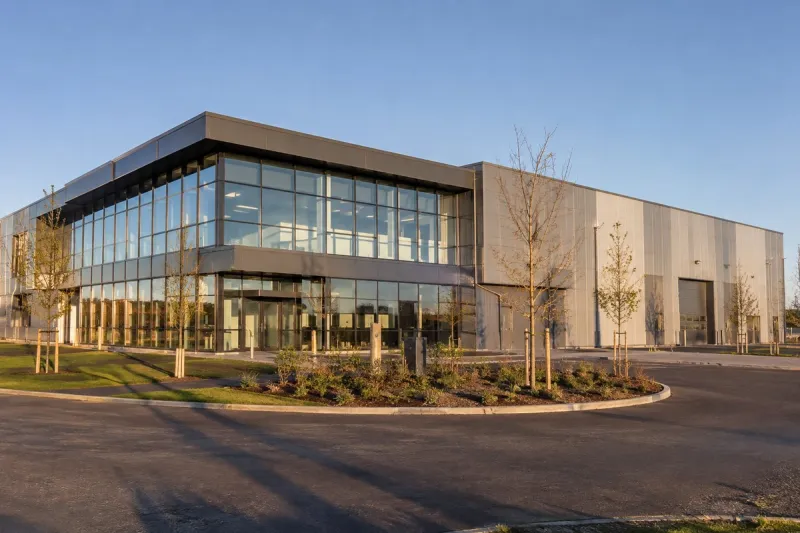
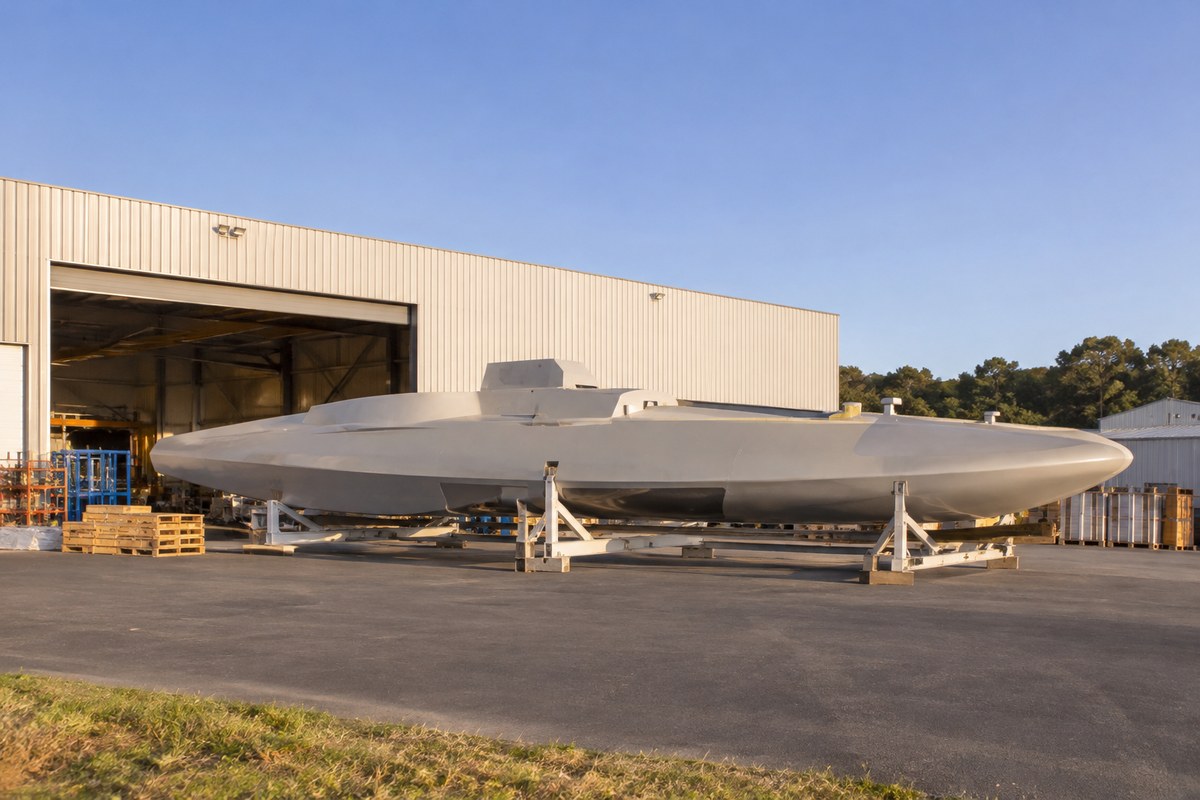
On 24 November 2026, French aerospace company Positive Aviation announced the launch of two industrial facilities in France for its FF72 amphibious firefighting aircraft programme. In Vannes, Brittany, a facility developed with Multiplast (Carboman Group) will manufacture the aircraft's 18-metre-long floats under the FAST72 project (Float Assembly Serial Tooling for FF72). The €24 million investment includes €5 million in government support through the France 2030 – Première Usine programme and is intended to provide an annual capacity of 26 floats, enough for about 12 aircraft plus spares.
Positive Aviation also announced more than €30 million in national and regional funding and initial payments from its US launch customer, Bridger Aerospace, which has ordered ten aircraft. The programme targets a first flight in 2027, initial deliveries in 2029 and an eventual production rate of one aircraft per month.
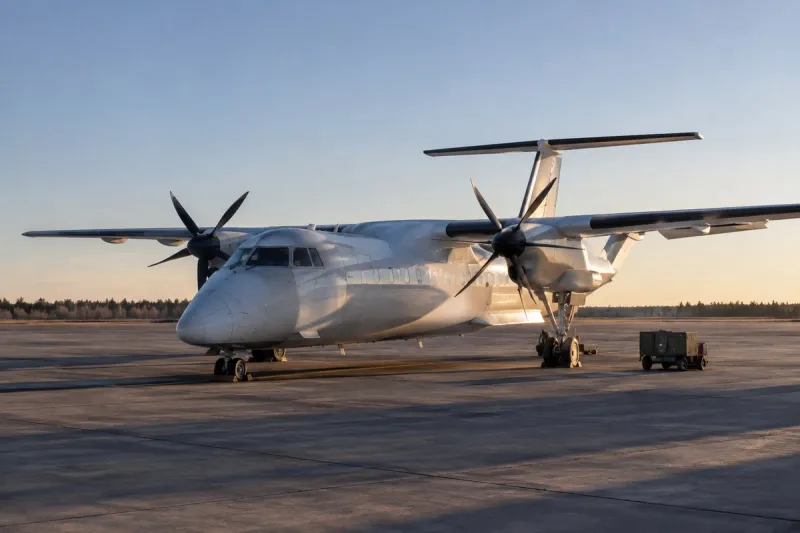
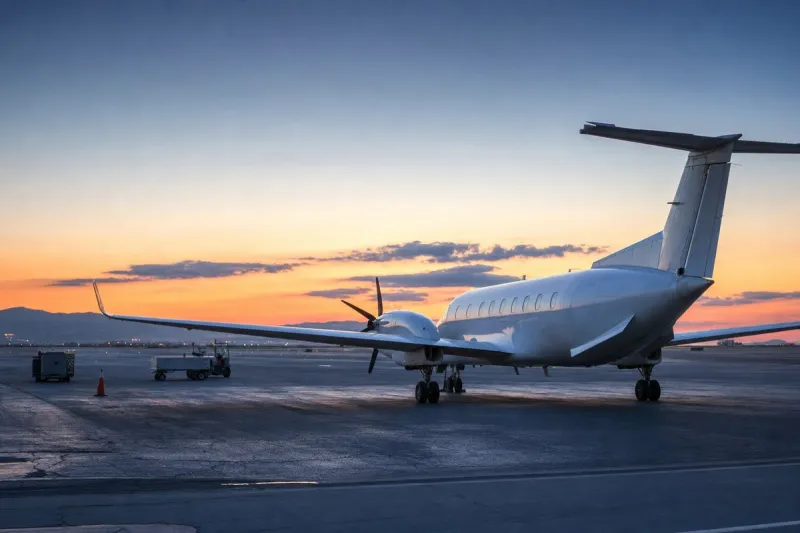
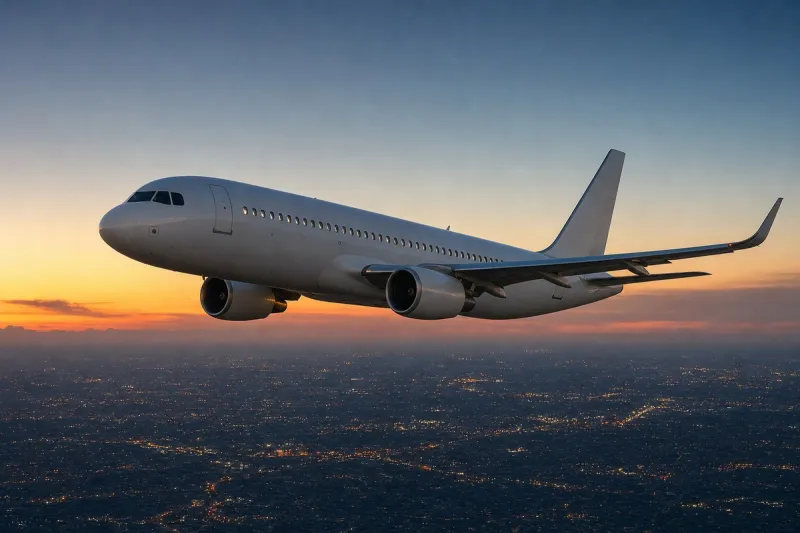
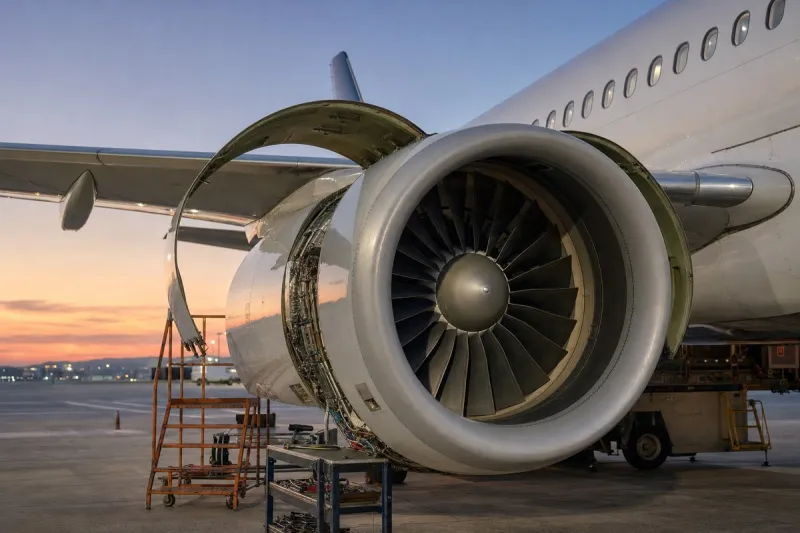
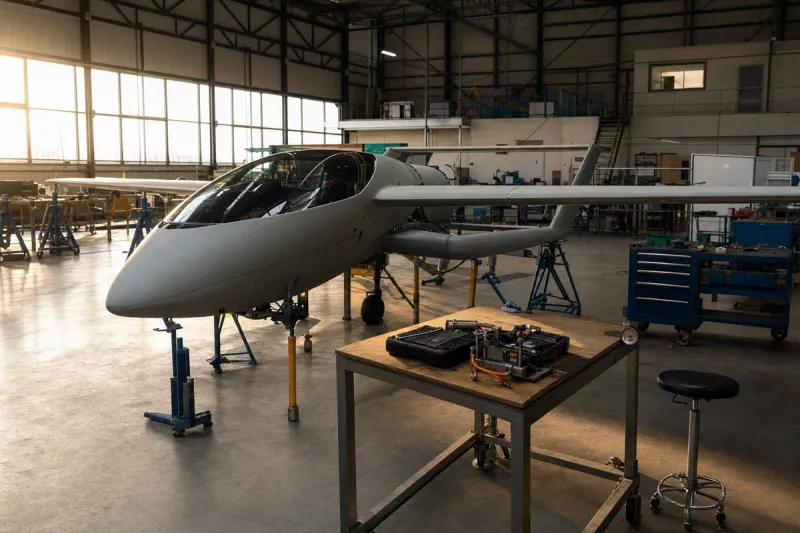
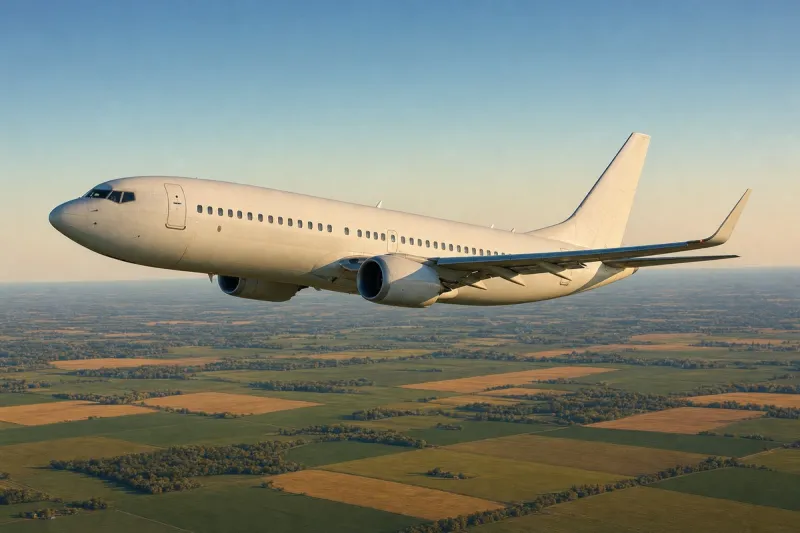
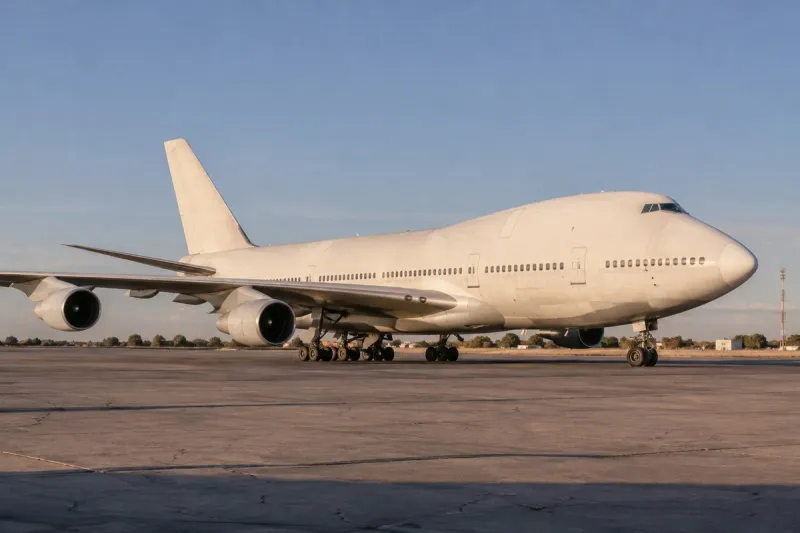
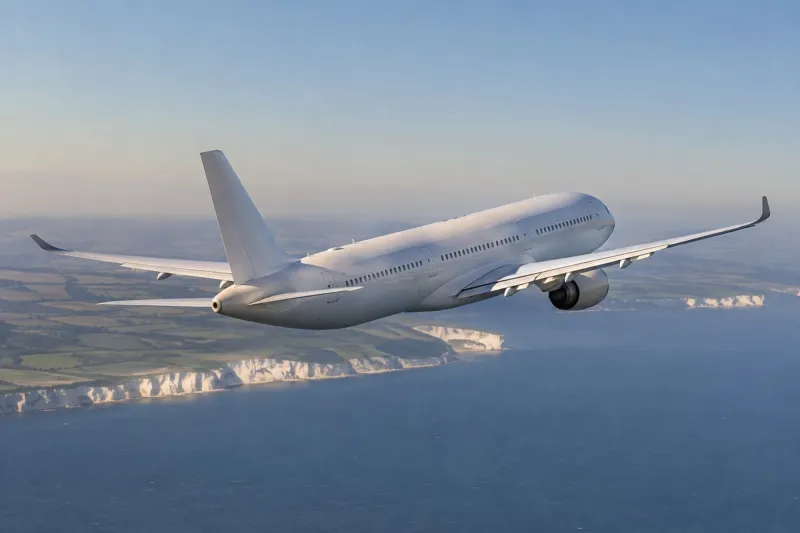
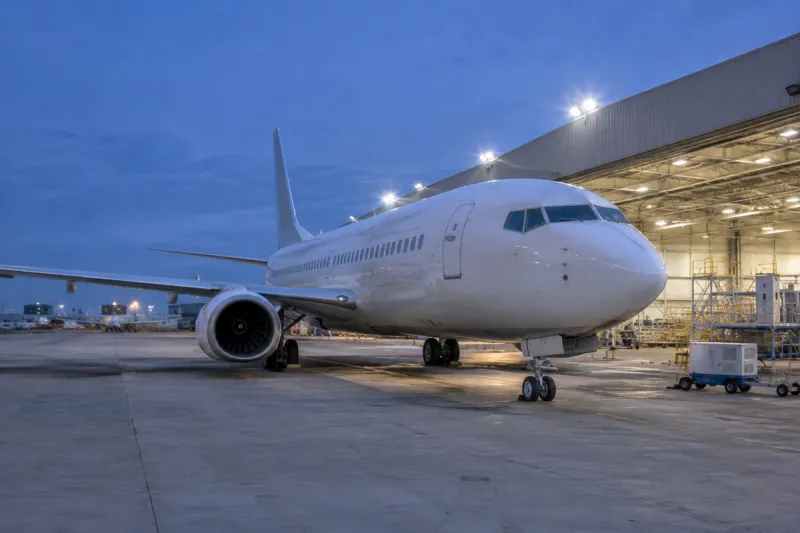
The FF72 is based on the ATR 72 regional turboprop. Two configurations are proposed: the FF72-S amphibious version, with two 18-metre floats, designed to scoop up to 8,000 litres of water in under 12 seconds into internal tanks, and the FF72-T land-based version, a conventional water bomber without floats, refilled at ground facilities. The company claims a water payload exceeding that of the Canadair CL-415.
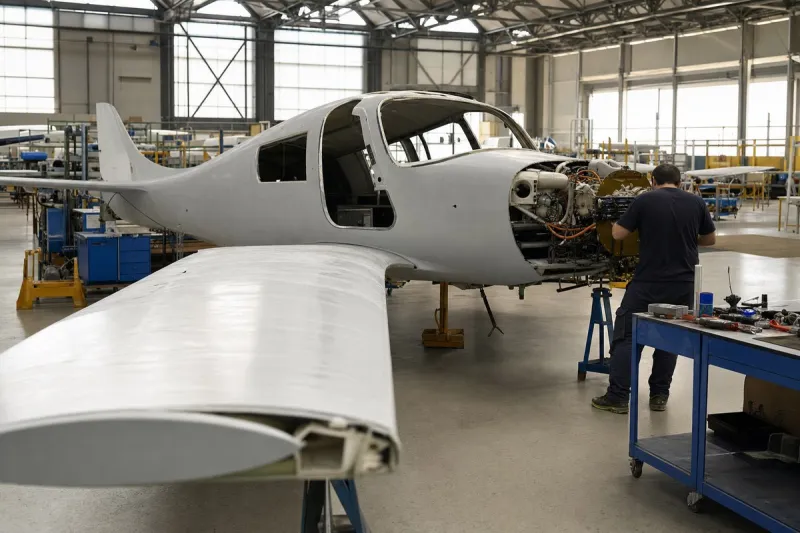
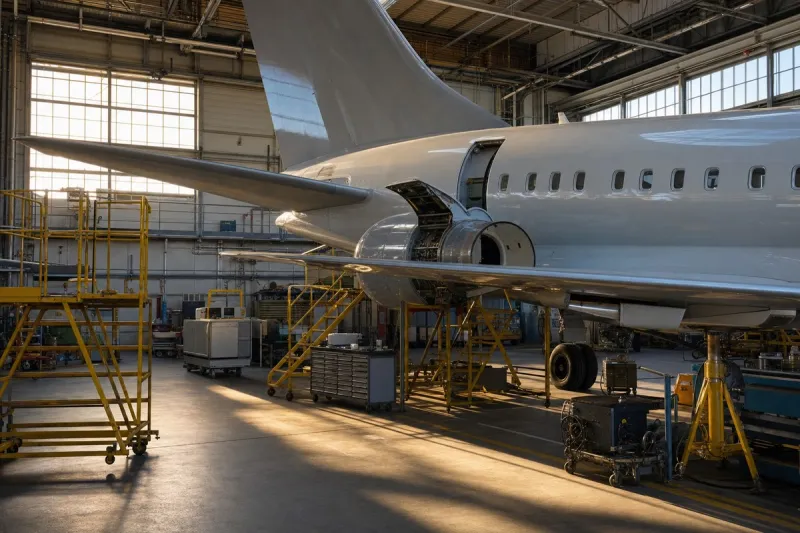
A separate French programme, the KEPPLAIR 72 (Forest Keeper) by Kepplair Evolution, also converts an ATR 72, but in a land-based configuration with an internal 7,500-litre water or retardant system, using a pre-owned ATR 72 cargo aircraft with Aerotec & Concept participating in the modification work. Its targets are a first flight in modified configuration in early 2027, certification in late 2027 and entry into service in 2028; these remain targets rather than demonstrated milestones.
The FF72-S still faces substantial engineering challenges that must be substantiated: aerodynamic stability and control with the large floats and added tail surfaces, aeroelasticity and flutter clearance, structural load paths and fatigue under repeated water-scooping, hydrodynamic loads (an average fill rate of roughly 667 litres per second), and performance and engine margins, including one-engine-inoperative handling. Airworthiness certification may require a major type-design change or a Supplemental Type Certificate with EASA where applicable.